
KARACHI, Nov 5 (Focus Pakistan): Pakistan has put 1,000 acres of Karachi Industrial Park back on the table for Turkish manufacturers, 14 months after its officials first pitched the same land in Istanbul. No Turkish company has yet announced an investment there.
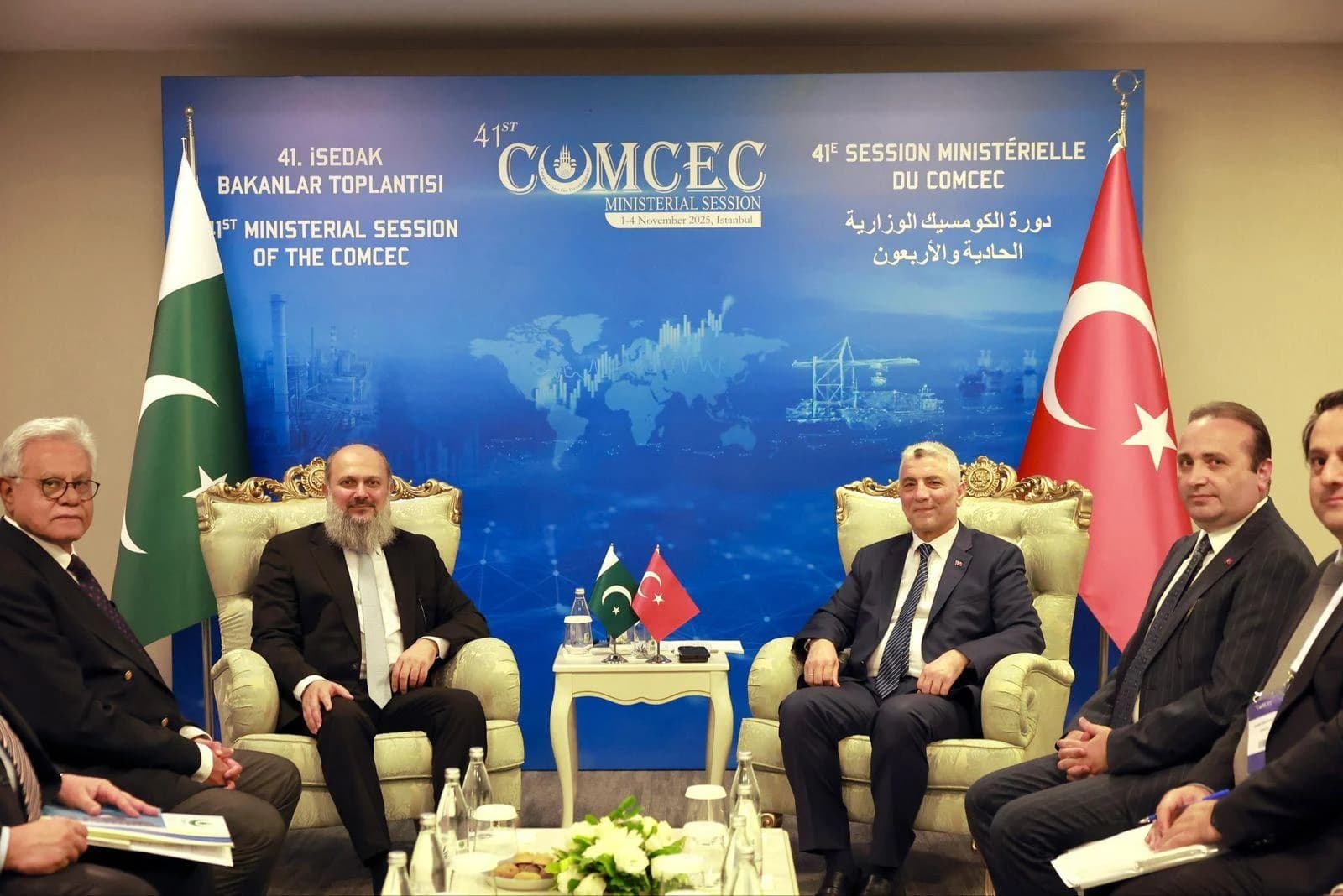
Commerce Minister Jam Kamal Khan put the offer to Turkish Trade Minister Ömer Bolat in Istanbul, where both men attended the 42nd COMCEC session, the OIC’s main forum on trade and economic cooperation. That much land works out to 43.56 million square feet just over 4 square kilometres.
This time, Islamabad came with a sweetener.
Finance Minister Muhammad Aurangzeb chaired the Oct. 23 Board of Approvals meeting that handed Karachi Industrial Park federal Special Economic Zone (SEZ) status.
Islamabad Tried This Before
In September last year, Pakistan’s consul general in Istanbul walked Board of Investment officials and representatives of the park into the Istanbul Chamber of Industry. Their pitch offered Turkish firms about 1,000 acres.
That was 14 months ago. No company name has surfaced since, and nobody has put a dollar figure or a start date on the project.
Jam Kamal and Bolat also met at last year’s COMCEC session in Istanbul.
Also Read: Pakistan’s stock exchange earns 37% more, pays shareholders 41% less
What SEZ Status Changes
The board approved the zone to draw export-oriented industry, promote technology transfer and value addition, and create jobs.
The status opens the door to the tax and duty incentives available under Pakistan’s 2012 SEZ law. Officials have not spelled out the package for the Turkish block.
A National Assembly committee in April approved amendments to that law that would permit free land leases and keep SEZ tax breaks in place until 2035.
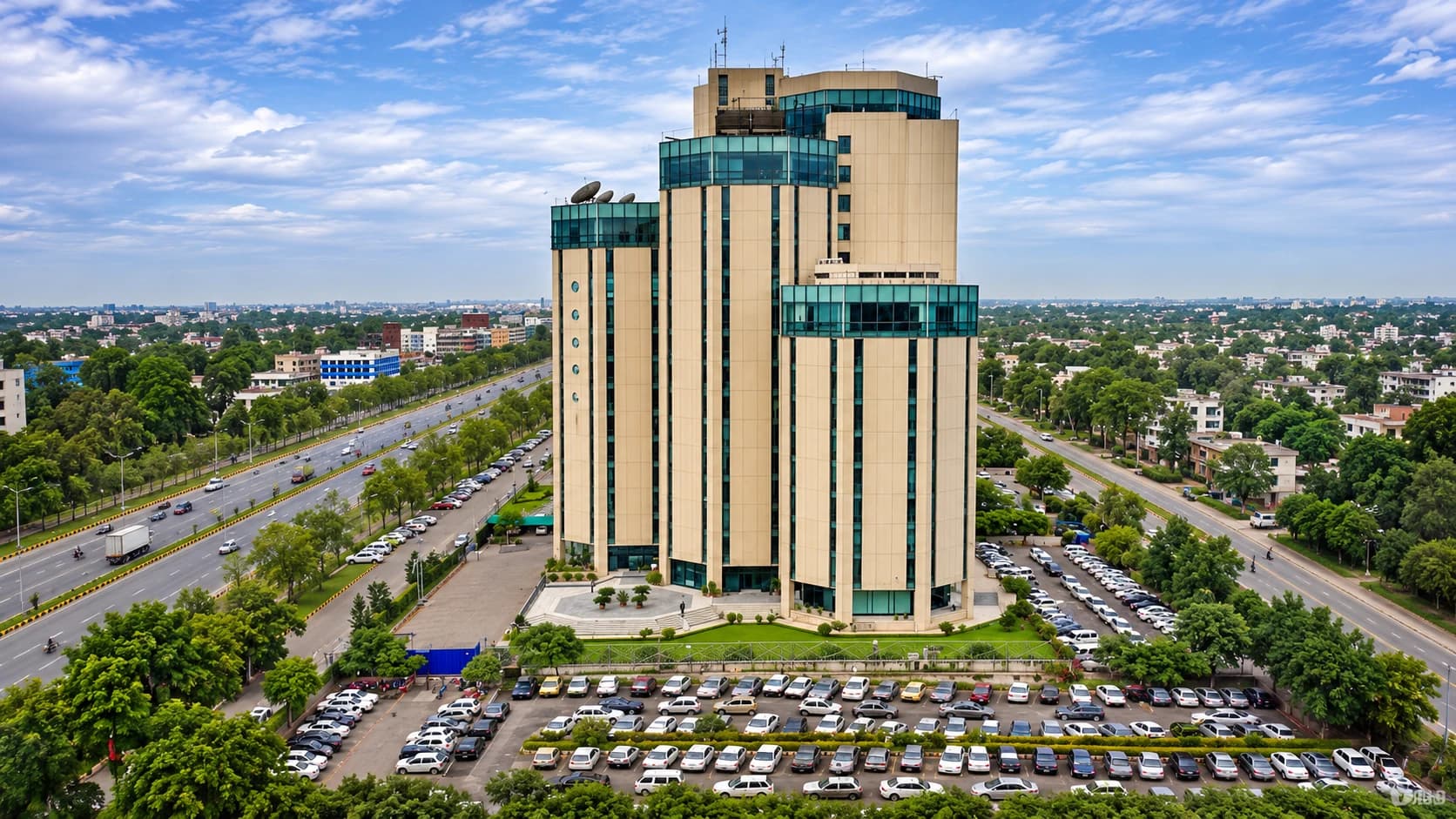
The park sits on Pakistan Steel Mills land on Karachi’s eastern edge, next to Port Qasim. Under a plan the Special Investment Facilitation Council’s apex committee approved, the government would merge the park’s 1,534 acres with 4,875 acres of Steel Mills land into a single zone of about 6,409 acres. The Turkish offer alone equals roughly two-thirds of the park’s original footprint.
A $5 Billion Target, Badly Missed
The land offer carries a larger burden. Prime Minister Shehbaz Sharif called for lifting two-way trade to $5 billion within three years during a June 2022 visit to Ankara. That deadline lapsed in mid-2025.
Turkish President Tayyip Erdogan put bilateral trade at a record $1.4 billion in 2024, less than a third of the goal. Leaders of both countries reaffirmed the $5 billion target in Istanbul on July 4 this year.
Land alone will not close that gap. A plot rarely decides where a factory goes on its own. Power tariffs, gas supply and the final tax deal usually carry more weight.
Mangoes, Rice and a Promised Visit
Bolat agreed to send a delegation of officials to Pakistan to review existing trade arrangements and look for openings. Neither side gave a date or said whether Turkish manufacturers would join the visit. That trip now offers the clearest near-term test of Turkish intent.
Both ministers called for closer coordination between government institutions and businesses.
Jam Kamal pressed for wider access for Pakistani mangoes in Türkiye, and Bolat backed higher imports. On basmati rice, Jam Kamal welcomed Türkiye’s support for Pakistan’s position, while Bolat urged Pakistani exporters to invest in stronger marketing and branding.
Separately, Jam Kamal met Zehra Zümrüt Selçuk, director general of the OIC’s statistics and research centre SESRIC, and stressed the value of reliable trade data in spotting opportunities and tackling barriers.
The Real Test
Pakistan has now offered the same land at least twice, upgraded its legal status and secured a promise of an official visit.
It still lacks a signature from a Turkish company.
Until one arrives, the 1,000 acres remain a line on a map rather than a factory floor.