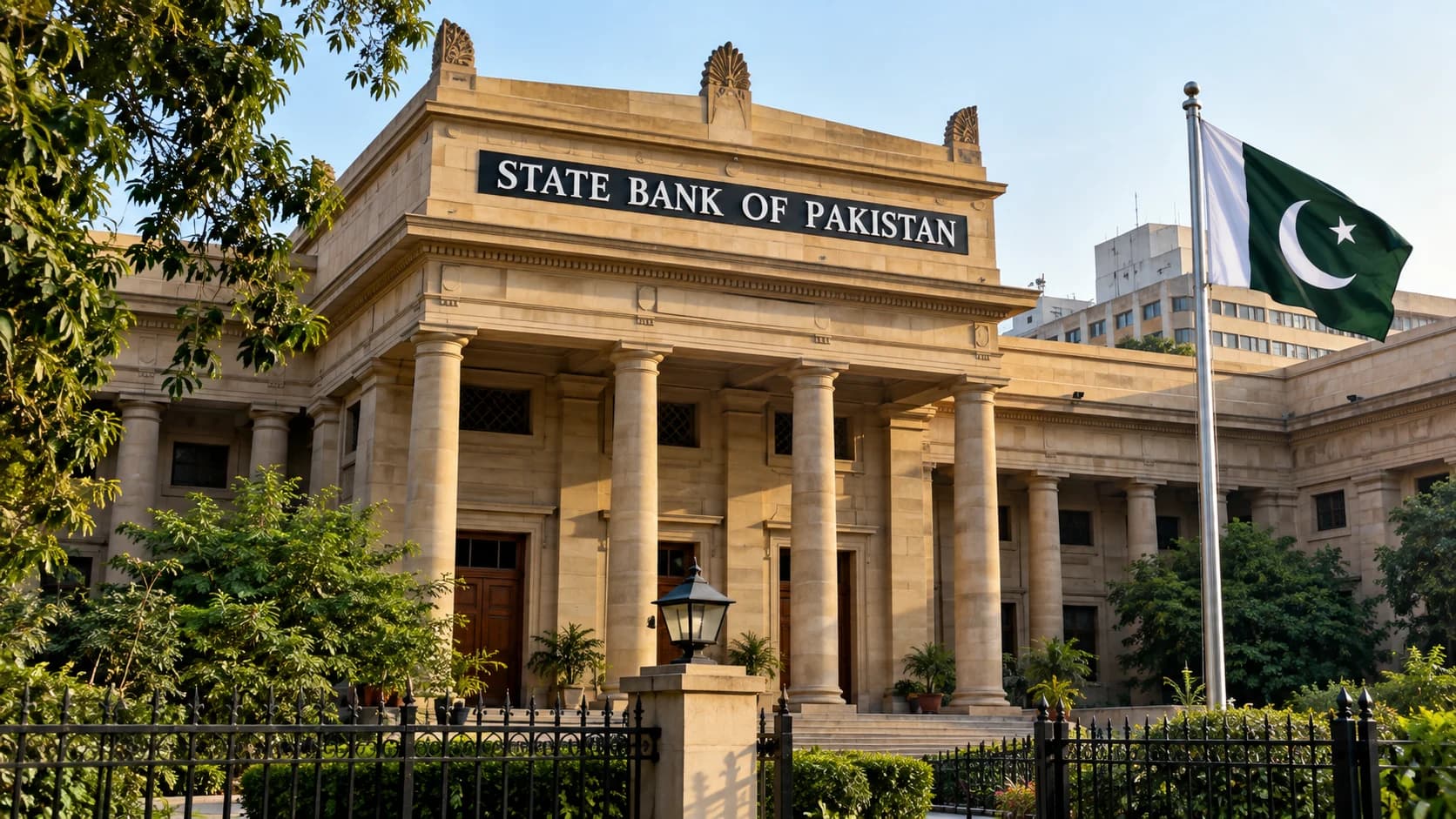

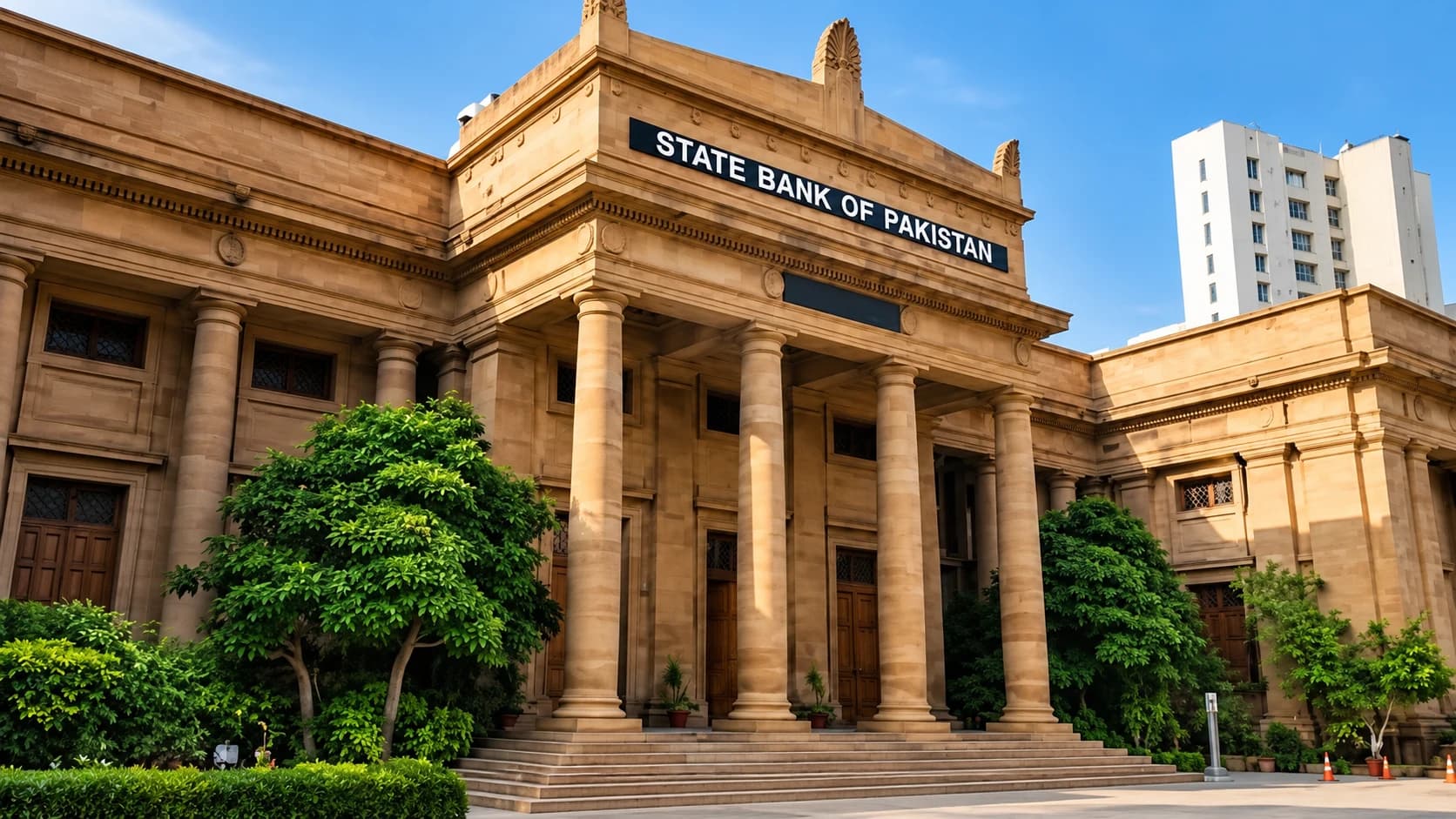
KARACHI, Oct 24 (Focus Pakistan) — The State Bank of Pakistan has raised the Banks REIT Investment Limit from 15% to 20%, allowing lenders to hold a larger share of real estate investment trusts. But an unchanged capital restriction could prevent some banks from taking full advantage of the higher ceiling.
The State Bank of Pakistan made the change through BPRD Circular Letter No. 22 of 2026, dated Oct 23. Banks and development finance institutions (DFIs) can now take up to 20% of a trust’s units. The old figure stood at 15%. Regulation R-6 of the Prudential Regulations for Corporate and Commercial Banking now carries the new wording.
The catch sits in the same clause. A bank’s stake in any single REIT still cannot exceed 5% of its Tier-I capital, and whichever limit bites first wins.
The capital wall
Take a hypothetical bank with Rs100 billion in Tier-I capital. That bank’s limit for any one REIT works out to Rs5 billion. If 20% of a trust costs Rs3 billion, then Rs3 billion becomes the bank’s limit. At Rs8 billion, the Rs5 billion cap kicks in instead.
The bigger number, then, won’t give every bank a third more cash to put to work. A bank whose capital ceiling already binds may gain no extra room at all.
Also Read: SBP Slaps 5% Cap on Islamic Banks’ Tawarruq Financing, Tightens Shariah Rules
The SBP also changed the yardstick. Its March 8, 2022 rules set the ownership limit as a share of the investee company’s paid-up shares. Now the rule looks at the REIT’s own units. That fits how a trust actually splits its property pool among investors. It also means the old 15% and the new 20% don’t measure the same thing.
Mutual funds, REITs and private equity funds now all face the same test: 5% of Tier-I capital or 20% of units, whichever comes lower. Mutual fund units previously fell under general company investment limits.
The SBP kept the startup cap, fintechs included, at the lower of Rs500 million or 5% of Tier-I capital, and retained the exclusion for National Investment Trust units until privatisation.
A five-year push
The SBP has walked this road before. In 2021, it raised the REIT limit to 15% of a bank’s equity from 10%, according to reports at the time. Its own press release that year said it had cut the risk weight on REIT units by half, to 100%. The central bank also shifted those holdings from the trading book to the banking book.
The SECP said in August that Pakistan had 29 registered REIT schemes, six of them trading on the PSX, with Naya Nazimabad Apartments REIT set to become the seventh.
At the Naya Nazimabad gong ceremony, Finance Minister Muhammad Aurangzeb said PSX investor numbers had more than doubled, from 321,144 in March 2024 to 656,218 in September 2026, and stressed REITs’ growing role in channelling money into housing. He also argued that banks had moved first and the private sector now needed to speed up housing development.
Payout rules may also draw bank treasuries. REITs must distribute 90% of their distributable income to unit holders, though actual payouts depend on what each trust earns.
What happens next
The circular does not force any bank to buy a single unit. Valuations, unit availability, liquidity needs, expected returns and each lender’s risk appetite will decide how much fresh money flows into property trusts.
Every bank and DFI also needs a board-approved investment policy that sets out its financial strength, how much exposure it can carry, the strategy it will follow and how it plans to exit.
For now, the decision moves to treasury desks and bank boards. The regulator opened the ceiling to 20%. For some lenders, the 5% line in the same rulebook may matter more.