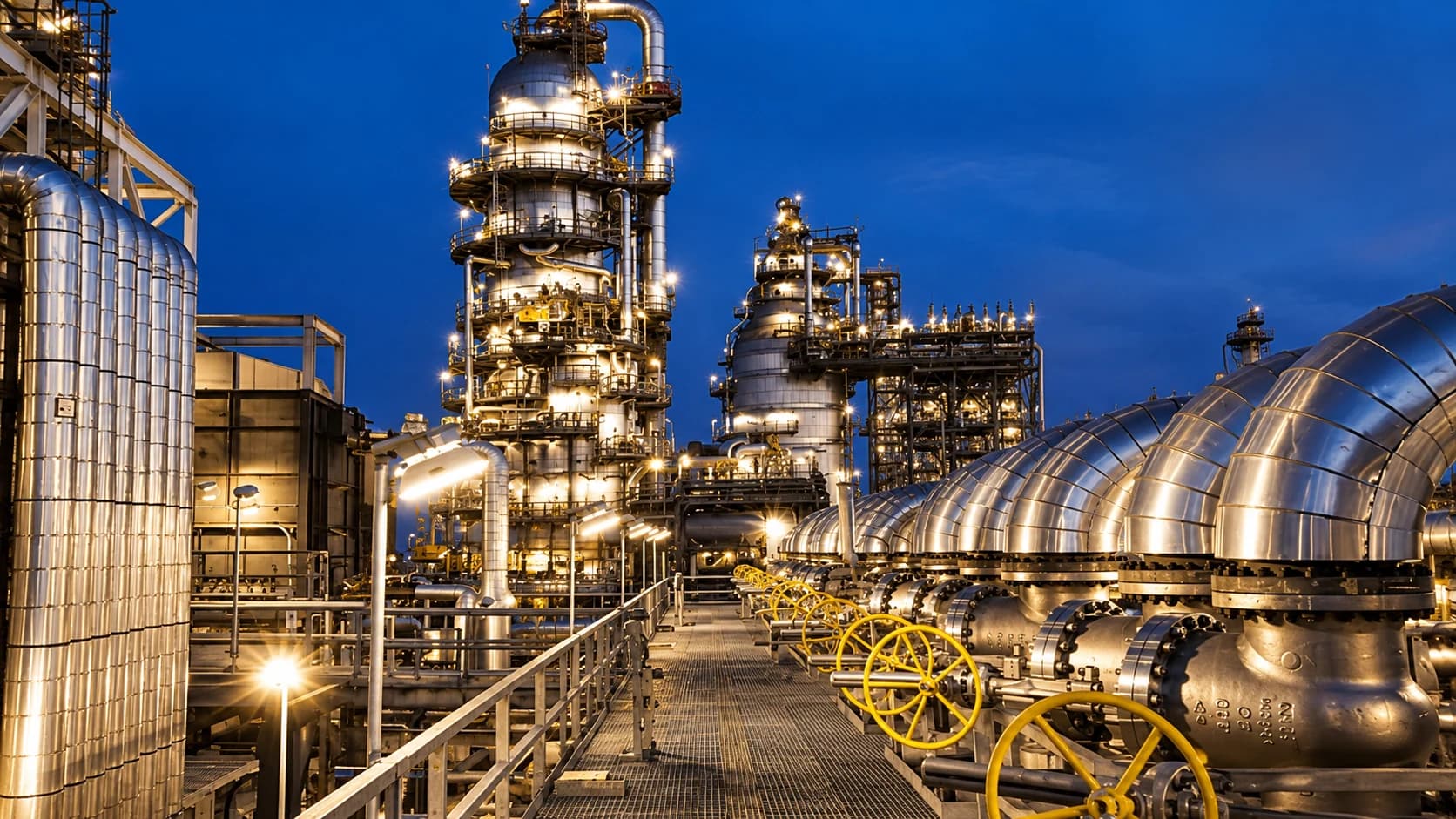

KARACHI, Oct 20 (Focus Pakistan) — Pakistan Oilfields Ltd got less crude out of the ground in July-September than it did a year ago. Its profit still jumped 51%. Oil and gas prices climbed, exploration charges shrank and other income piled up, results the Rawalpindi-based company filed with the Pakistan Stock Exchange on Tuesday showed.
That came to Rs8.19 billion after tax for the quarter, or Rs28.86 for every share, against Rs19.13 a year ago, when profit stood at Rs5.43 billion. The board declared no interim dividend. AKD Securities described that as customary for POL at the first-quarter stage.
PROFIT RISES DESPITE LOWER PRODUCTION
POL’s crude output averaged 3,980 barrels per day in the quarter, 8% below the 4,315 bpd of a year earlier, according to AKD Securities, which linked the fall mainly to lower offtakes from the Jhandial field.
Higher oil and gas prices, alongside stronger gas dispatches, helped offset the decline in crude production. AKD said Arab Light crude averaged $90.1 a barrel, 26% higher than a year earlier, and semi-annual wellhead gas prices rose 19%.
Revenue after taxes and duties came to Rs16.50 billion, about a quarter more than last year. Running the fields cost more too: Rs4.05 billion, up 30%. Gross profit landed at Rs10.57 billion, still 24% better.
Also Read: KSB Pumps Sales Double to Rs3bn, Rs250m Impairment Hits Profits
Across the country, the picture looks different. Oil production nationwide averaged 69,500 bpd in the quarter, 12% higher by Topline Research’s count, and gas output gained 7% to 2,989 million cubic feet a day.
THE EXPLORATION SWING
One of the biggest boosts came from exploration costs, which plunged 83% to Rs193.4 million from Rs1.13 billion a year earlier. That reduction accounted for about Rs933 million of the year-on-year rise in pre-tax profit.
POL has not stopped digging, though. Its balance sheet shows exploration and evaluation assets at Rs1.85 billion, against Rs1.5 billion in June. Development and decommissioning costs reached Rs16.15 billion, up from Rs14.76 billion. Over the quarter, it spent Rs2.58 billion on capital projects.
Other income provided another boost, rising 58% to Rs2.94 billion, while cash receipts from deposits and amortised-cost investments more than doubled to Rs1.59 billion. Net finance costs dropped to Rs218.7 million, less than half last year’s figure.
By Sept 30, POL’s standalone cash and cash equivalents had swelled to Rs124.8 billion. On July 1, the figure stood at Rs117.1 billion. Operations alone threw off Rs8.92 billion in cash during the quarter, against Rs5.46 billion a year earlier. The balance sheet reports no separate loan balances, and trade debts eased 3.6% to Rs22.12 billion from June.
POL’s September balance sheet also carried a proposed final dividend of Rs72.50 per share for fiscal 2026, representing a potential Rs20.58 billion cash distribution. Together with the Rs27.50 interim, that brings the year’s payout to Rs100 a share. Based on its September cash position alone, POL could cover the proposed final dividend and still retain more than Rs100 billion in cash and equivalents.
Pre-tax profit rose 49% to Rs12.1 billion. Tax provisions climbed to Rs3.91 billion from Rs2.48 billion, while the final tax levy of Rs212.6 million from last year’s quarter disappeared. Administration expenses nearly doubled to Rs233.9 million, and other charges rose 61% to Rs767.3 million.
VERSUS EXPECTATIONS
The standalone result fell short of the Rs35.20 a share that Topline Research had forecast earlier this month. AKD Securities said the result broadly matched analysts’ expectations.
On a consolidated basis, profit attributable to POL shareholders rose 45% to Rs8.54 billion, or Rs30.10 a share, against Rs20.74 a year earlier. The group’s share of profit from associates slipped 11% to Rs470.8 million.
Higher prices, lower exploration charges and stronger other income helped POL deliver a sharp earnings increase despite declining crude production. Whether the company can sustain that performance without recovering lost output remains an important question for investors. The financial results announcement did not explain the decline in Jhandial offtakes.