
KARACHI, Oct 29 (Focus Pakistan) - Under the newly issued SBP licensing handbook, a Pakistani business group with billions to spare still cannot launch a new commercial bank owned entirely by local sponsors. A foreign investor can.
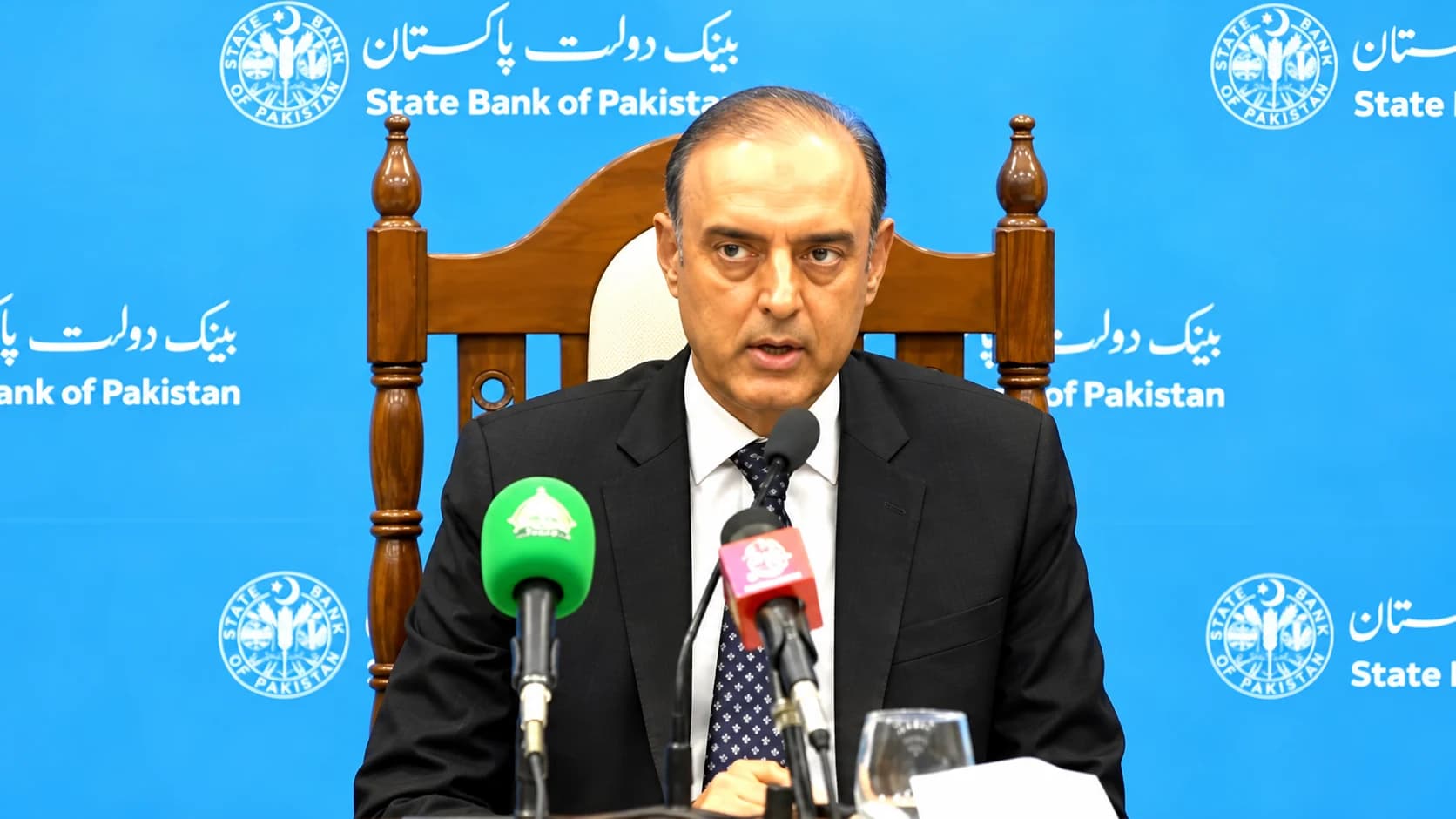
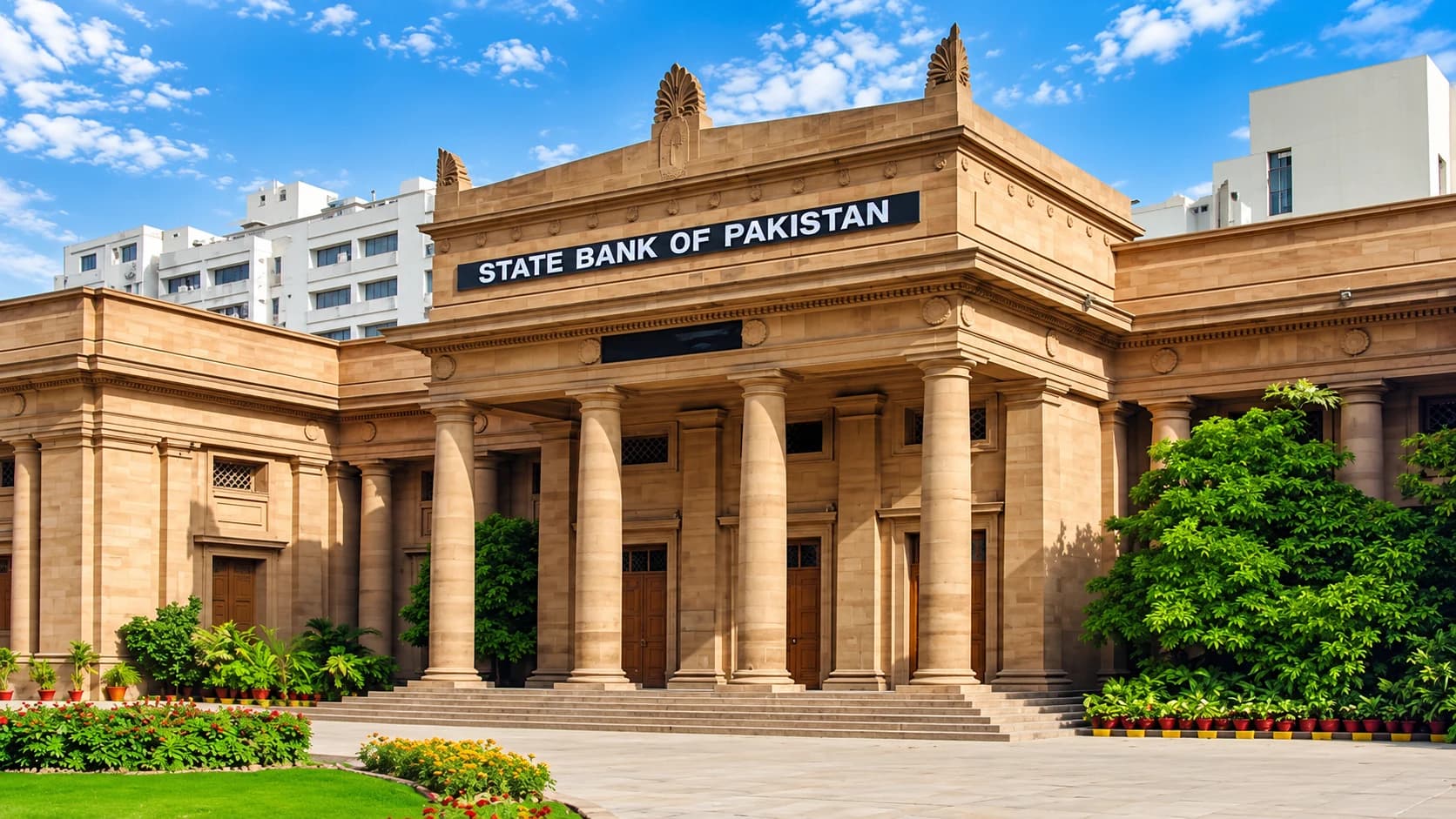
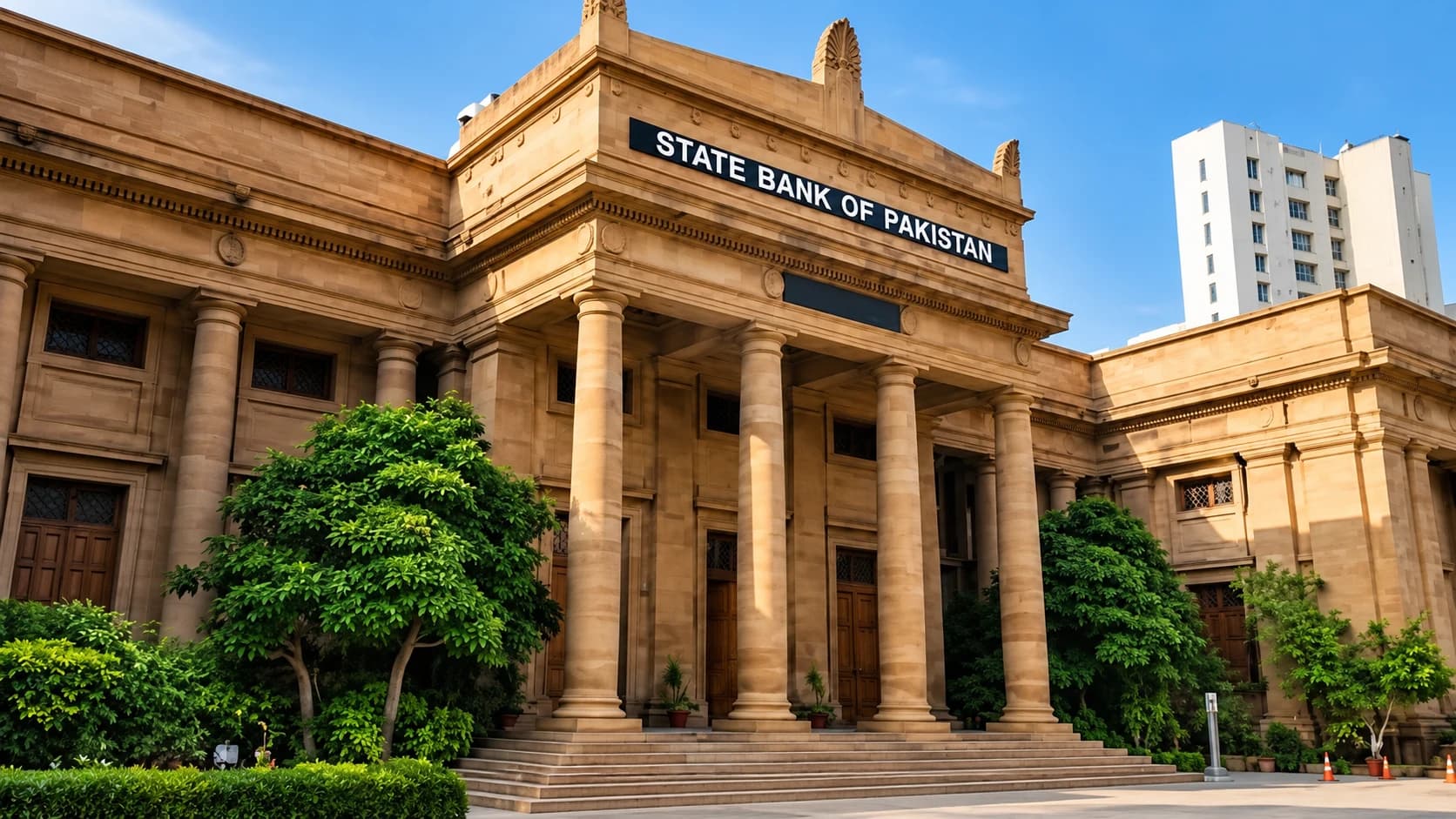
The State Bank of Pakistan put out its new licensing handbook on October 28 as BPRD Circular No. 03 of 2026. Until now, its entry rules sat scattered across years of separate circulars. This one gathers them for banks and digital banks, microfinance banks, exchange companies, payment firms and even private credit bureaus. Anyone applying fresh in those categories has to go by it.
The handbook creates no new licence. It does something more revealing: it shows, in one place, who the SBP lets in and who it keeps out.
The door stays shut for local money
The SBP licensing handbook maintains that distinction, leaving wholly locally sponsored groups unable to establish new commercial banks. Foreign investors can still set up a bank on their own or with Pakistani partners, subject to SBP approval.
For domestic groups acting alone, deep pockets open no path to a new commercial bank licence.
The handbook sets minimum capital of Rs20 billion for a locally incorporated commercial bank, subject to any further SBP requirements.
Rs10 billion to go fully digital
Digital banks follow a separate route with a staggered bill. A digital retail bank must hold at least Rs1.5 billion while it operates under a restricted licence. The floor rises to Rs2 billion at commercial launch and Rs4 billion by the third financial year after launch.
Also Read: SBP Squeeze Banks’ Mutual Fund Investments With New 1,000% Risk Rule
A digital full bank starts at Rs6.5 billion, then climbs to Rs8 billion and finally Rs10 billion. Even at the top of that ladder, it needs half the capital the handbook demands of a conventional commercial bank.
The digital route dates back to 2022, when the SBP capped its first round of digital bank licences at five and closed that application window on March 31, 2022.
Politicians face a sponsor bar
Money alone buys no licence. Applicants have to lay out who owns what, all the way up the chain, and show the SBP where the money came from. The SBP also wants a business plan that survives scrutiny. And it vets people, not just paperwork. Sponsors go through fit-and-proper checks. So do beneficial owners, board directors and senior management.
A serious criminal conviction kills an application. So does a bankruptcy, or a past regulatory disqualification. Politicians hit a wall of their own. The handbook restricts party office-bearers and elected legislators from becoming licensed sponsors, and it extends that restriction to public office holders.
Fees, clocks and listings
The paperwork carries its own price. A commercial or digital bank application costs a non-refundable Rs5 million. Microfinance banks and exchange companies pay Rs2 million. Smaller players get off lighter. An electronic money institution pays Rs200,000, and payment service providers and private credit bureaus pay the same.
Also Read: SBP Raises Banks’ REIT Investment Limit from 15% to 20%
By the handbook’s reckoning, a complete file should get an answer within six to eight weeks. That clock covers the licence decision, not the launch. Leave out one document, or trigger a second round of questions, and that timeline slips past two months. So can a readiness inspection.
Listing is mandatory for commercial banks, though not in a hurry. They get up to four years after they start business.
So where does that leave fintech?
Founders building wallets and payment apps now know exactly where to look. That is roughly all that changes for them.
The capital bill for a digital full bank still tops out at Rs10 billion. Its sponsors need clean records. Its ownership has to be plain enough for a regulator to follow in one sitting, and its systems have to protect customer money and data. A local tycoon who wants to start a conventional commercial bank without foreign partners still faces a closed window.
The SBPhas made the rules easier to find. It has not made the door any wider.