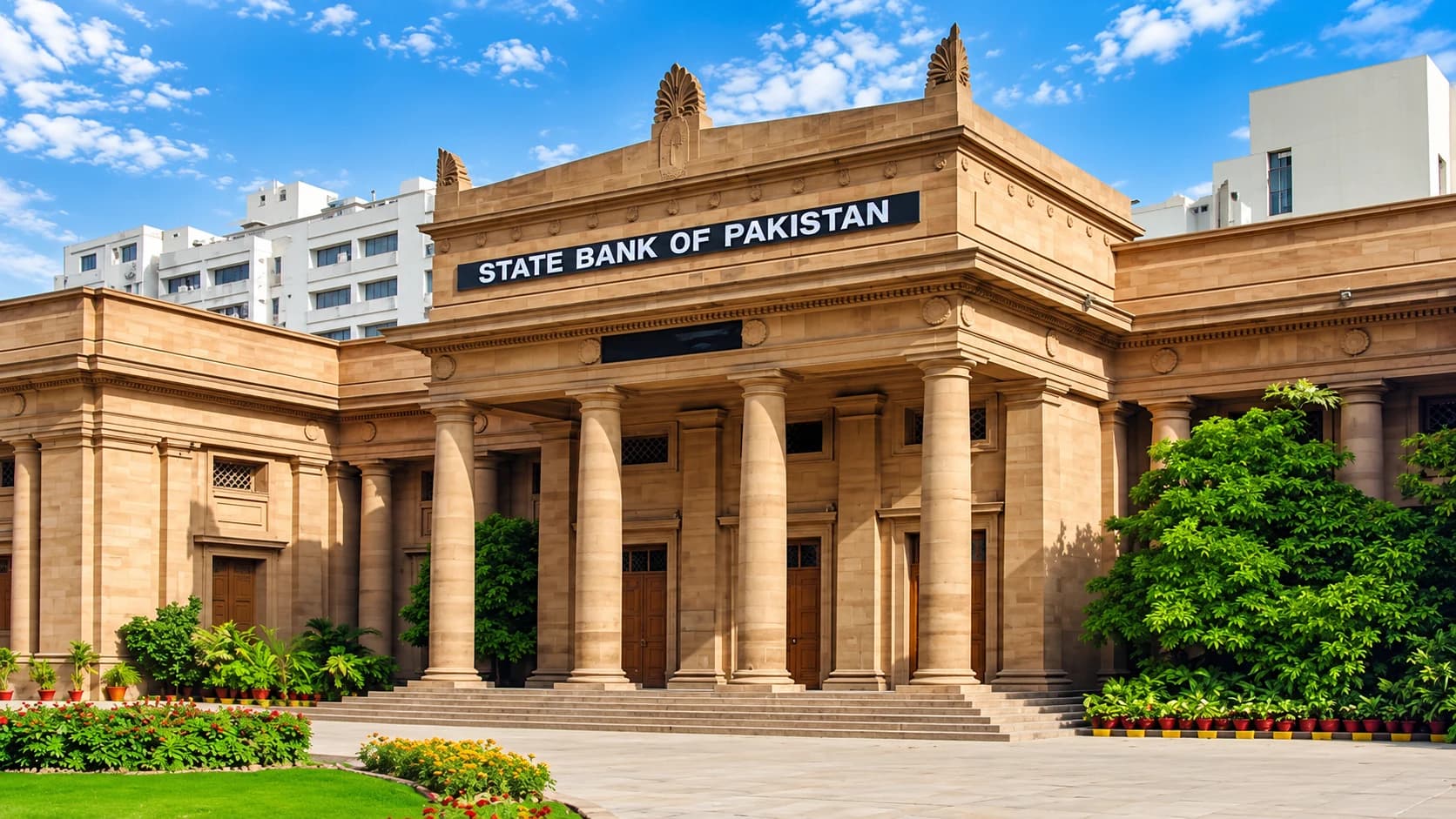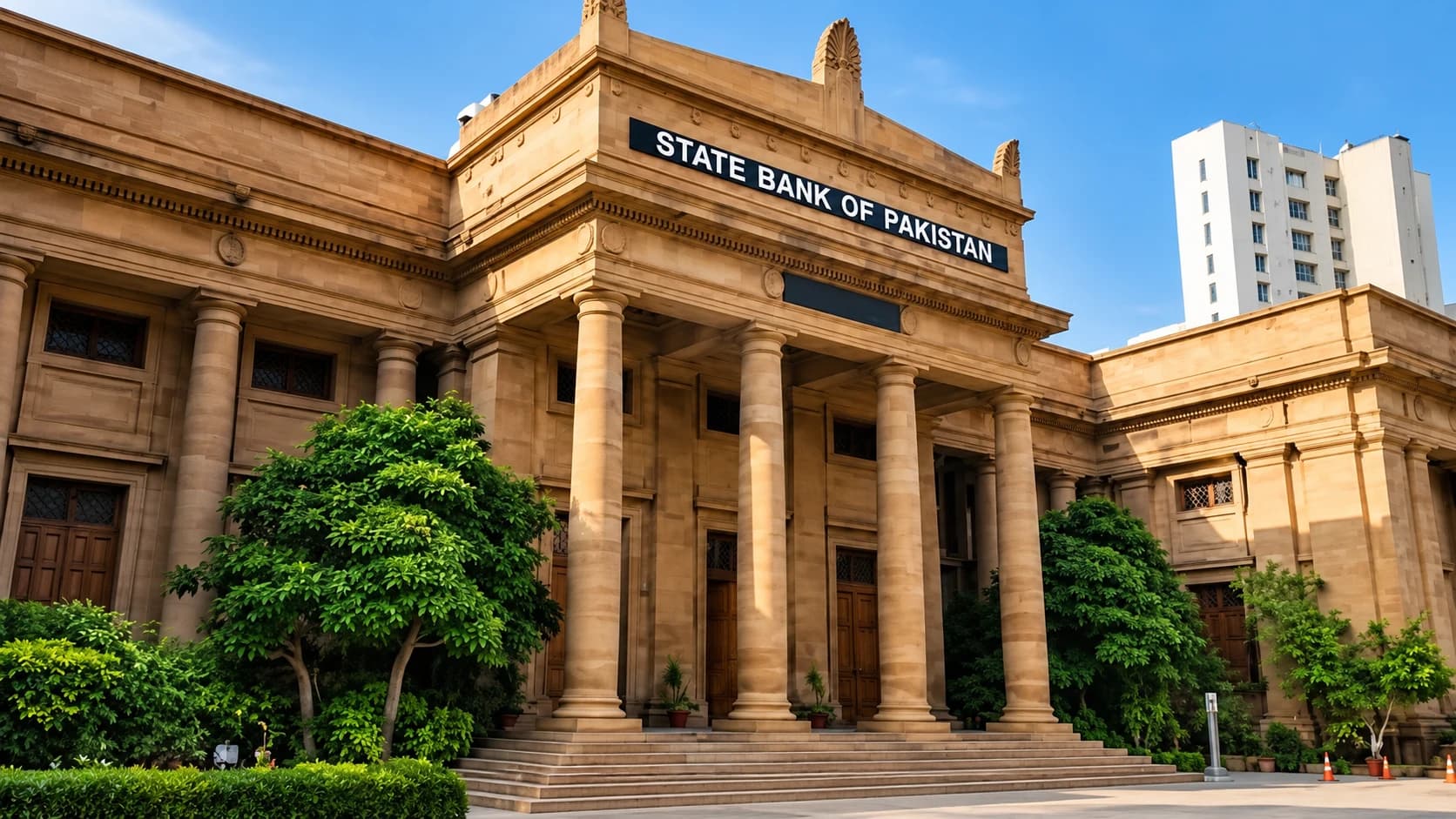

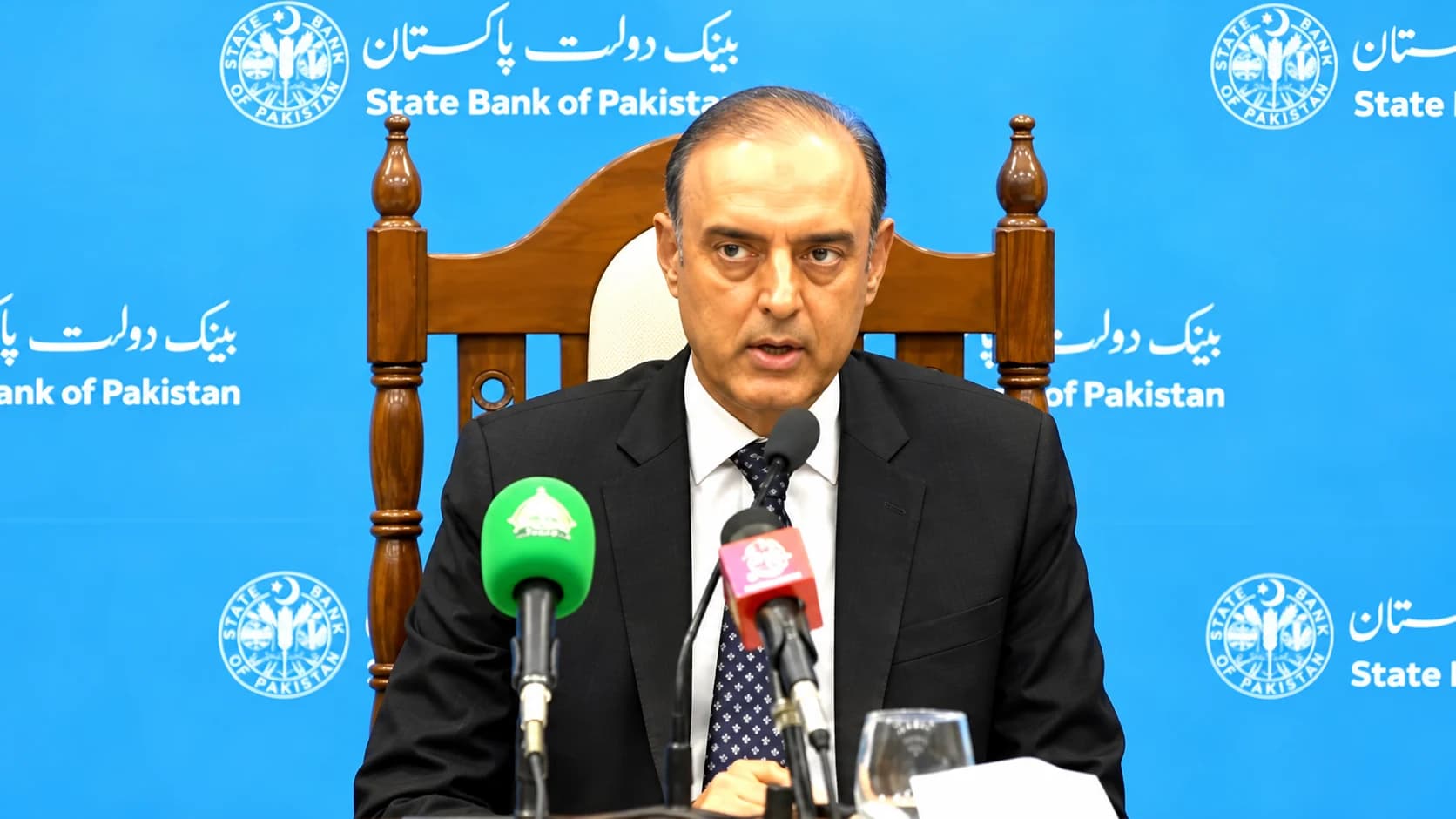
KARACHI, Oct 27 (Focus Pakistan) – The SBP policy rate climbed to 12 percent on Monday after Pakistan's central bank raised borrowing costs by half a percentage point for the first time since April. Blame oil. Crude is still north of $100 a barrel, with no end yet to the fighting in the Middle East.
Nine members voted for it. The tenth broke ranks and pushed for a steeper rise. Banks will price loans off the new rate from today. Pakistan last saw a 12 percent policy rate in March 2025.
Speaking in Karachi, Governor State Bank Jameel Ahmad said the inflation picture had “deteriorated significantly” since the committee last met in September. He blamed the US-Iran conflict, oil prices stuck above $100, and a jump in domestic wheat prices.
Inflation Refuses to Cool
The numbers back him. Headline inflation hit 10.3 percent in September, higher than the committee itself had expected. Wholesale prices rose 13.3 percent, a sign that more cost pressure has yet to reach shop shelves.
The policy rate now stands roughly 1.7 percentage points above September’s inflation rate. Future inflation expectations, not last month’s figure, will set the real cost of borrowing. Ahmad admitted it will now take longer to bring inflation back inside the SBP’s medium-term range of 5–7 percent.
Also Read: Pakistan GDP Hits Four-Year High, Then Growth Plunges to 2%
April brought the last hike, a full point, from 10.5 percent to 11.5 percent. The SBP held for three meetings after that. In September, seven of 10 members voted to stay put.
The $25bn Bet
On reserves, the governor did not blink. The SBP still wants $23 billion in its own coffers by December and $25 billion by June 2027.
State Bank of Pakistan held reserves stood at $21.47 billion on Oct 9, central bank data show. That leaves a $1.5 billion gap with about 10 weeks to go, and $3.5 billion by June. Counting commercial banks, Pakistan’s total liquid reserves came to $26.86 billion. Back in February 2023, the SBP’s reserves had shrunk below $3 billion.
Remittances carry much of that load. The central bank raised its FY27 remittance forecast to $45 billion from $44 billion, citing its incentive scheme and the steady stream of workers heading abroad.
Trade looks shakier. The SBP now expects imports of $71 billion against exports of $32.5–33 billion. It still sees the current account within 0–1 percent of GDP, but nearer the top of that band than it projected earlier.
Debt Wall Shrinks
External debt gives Ahmad his strongest card. The SBP puts this year’s external debt servicing at $21.5 billion. Within that, lenders have already rolled over $7.3 billion in principal. Pakistan has paid back around $5 billion, and about $5 billion more is still due. The central bank did not break down the rest of the total.
The SBP has also received word on rolling over $3 billion in Saudi deposits that fall due, the governor told analysts.
Pakistan also owes far more to official lenders now. Multilateral and bilateral creditors account for 80 percent of its external debt, against 55 percent in 2023. The shift toward official creditors could ease refinancing pressure, but repayment schedules will decide how much relief Pakistan actually gains.
Growth Holds, For Now
The SBP kept its GDP growth forecast at 3.5–4.5 percent for FY27. A better-than-expected kharif harvest lifted the farm outlook, though cotton output will likely fall short. The committee warned that the Middle East conflict has made fiscal management harder.
Forbusinesses and borrowers, the message is blunt. Credit just got dearer. How long it stays that way depends on a war Pakistan does not control.