

Sindh courts investors with instalment-based land purchases, cheaper electricity plans and advanced machinery, but the industrial park has yet to launch formally.
KARACHI, Nov 6 (Focus Pakistan) - Plots in Karachi Marble City will cost investors about Rs25 million an acre, the Sindh government says. Buyers short of cash upfront get an instalment plan.Senior Minister Sharjeel Inam Memon announced the figure on Thursday at a Karachi hotel, where the Sindh government held a pre-launch for the 300-acre estate. Memon also runs the information, transport and mass transit departments. Industrialist Arif Habib sat in the audience with government officials and businessmen. Qasim Naveed Qamar, the chief minister’s special assistant for investment and public-private partnership, said investor registration would open next month.
According to Memon, the pre-launch had one purpose: to tell investors what the project offers ahead of the formal inauguration. That ceremony belongs to Bilawal Bhutto Zardari, the Pakistan Peoples Party chairman, and Chief Minister Syed Murad Ali Shah. Memon gave no date.
Memon called the project Pakistan’s first Marble City. Not quite. The federal government’s Pakistan Stone Development Company (PASDEC) says it already set up a marble city at Risalpur in Khyber Pakhtunkhwa, and processing units there have started production.
Also Read: Pakistan Railways Targets 150% Freight Share Surge, But ML-1 Stalls
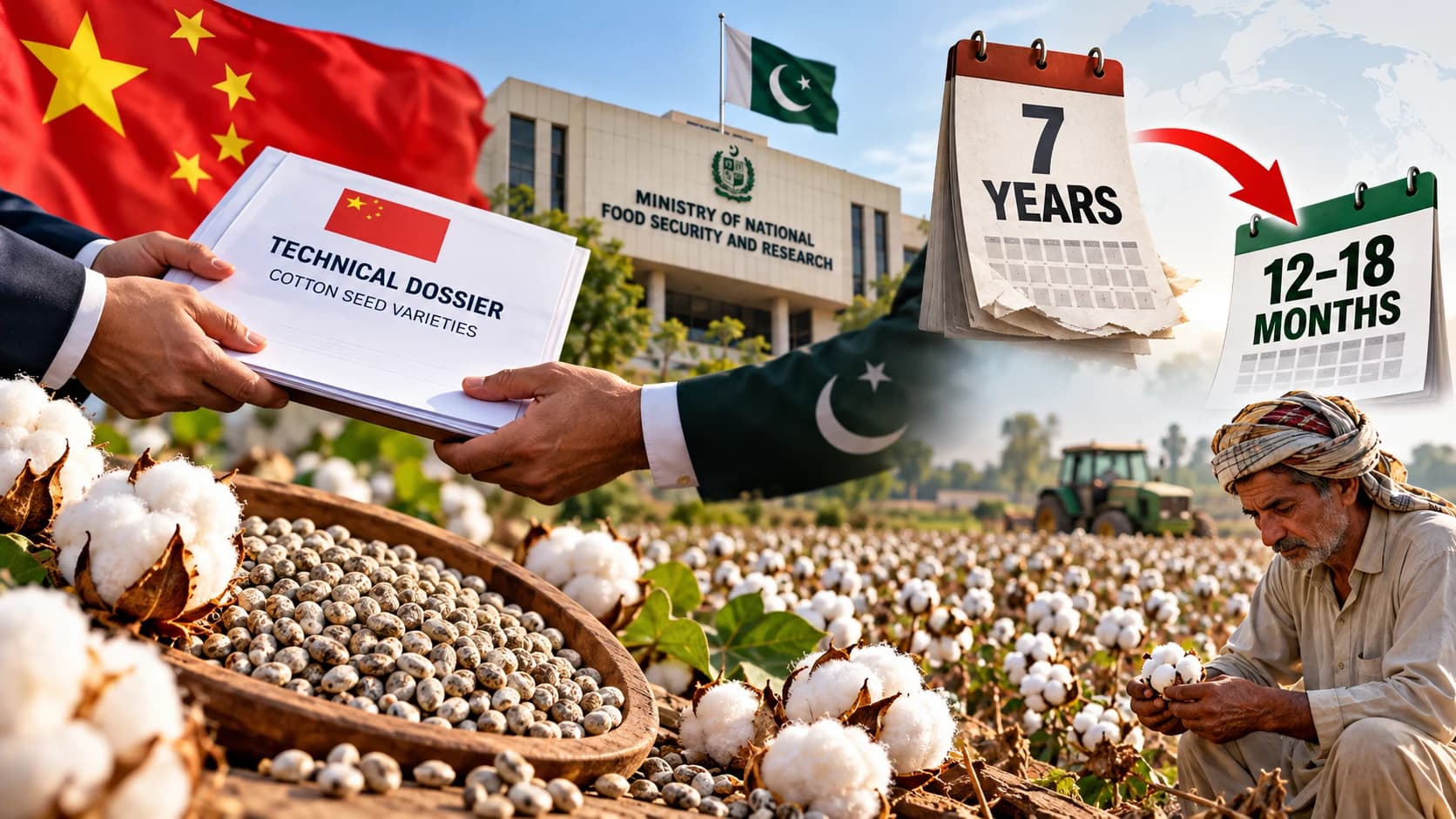
Karachi’s version has been slow to arrive. Chief Minister Murad Ali Shah’s PPP policy board signed off on the scheme in July 2019. That was seven years ago. Today the province’s PPP Unit still lists Marble City as under construction. The price tag: Rs10.53 billion. The deadline: April 2027.
The site is at Deh Mithaghar, 2 km off the Northern Bypass near Hamdard University. SEZMC, the provincial company running the project, puts it roughly 40 km from Karachi Port and 60 km from Port Qasim. The Karachi-Hyderabad Motorway is 25 km away. Industrial and commercial plots take up 210 acres, and amenities get the other 90.
The Sindh Economic Zones Management Company (SEZMC) is developing the estate as a design-build-finance-operate-maintain-transfer scheme under the province’s PPP framework. Marble firms get first pick. At a 2022 roadshow, the company promised them first right of refusal on their plots for 12 months, and an initial 70:30 split of saleable land between marble businesses and allied industries.
Raw stone, thin returns
Behind the push is a long-running problem. The Trade Development Authority of Pakistan estimates the country’s marble and onyx reserves at more than 300 billion tonnes. Yet much of what Pakistan quarries leaves the country as raw stone. A Planning Commission report found China takes about 80 percent of Pakistan’s marble exports, mostly as raw blocks. Finished products? Less than 10 percent of shipments.
Memon wants Karachi to close that gap. He said factories at Marble City will cut and finish marble and granite from Sindh and other provinces with modern methods and ship high-quality products abroad instead of raw blocks. The national economy gains from that, he argued.
Jobs came next. Pakistan, like other developing countries, faces a growing population and too few jobs, Memon said. New industry offers the quickest fix. Investors at Marble City, he said, will find modern facilities and start businesses on suitable terms.
Qamar’s main incentive was cheap electricity. Sindh is working on a decision to supply power at Rs20 per unit for its projects, particularly at Dhabeji and Khairpur, he said. Marble City tenants can expect rates below K-Electric’s, according to Qamar. Officials also plan to rent out machinery and give tenants access to some of the world’s most advanced stone-cutting equipment.
He called Sindh the country’s powerhouse. Solar and hydropower both feed its generation mix.
For design, Sindh has turned to Italy. Qamar said the province sought Italian guidance on the project. SEZMC officials met Italian stone-machinery makers at the Marmomacc fair in Verona last year to talk about technical support and training.
Investors who need licences can go to a new Business Facilitation Centre, Qamar said. Work on basic facilities has started in every Sindh economic zone. He pointed to four provincial projects, Shahrah-e-Bhutto among them, that have won World Bank awards. The province also offers financial help and loans for development schemes.
Sindh sells its record
Memon had a broader pitch too. Sindh began modern development projects about 20 years ago, he said, and its S-BOSS project won recognition from the World Bank and abroad.
Other provinces now copy Sindh’s ideas, he said, and that suits Sindh fine. If Punjab takes a Sindh project forward, good. If Punjab has a better policy, Sindh will adopt it. “We are all part of the same country,” he said.
The Sindh Enterprise Development Fund has run since 2011. It helps people get bank loans to start or expand a business, and the provincial government covers most of the markup. Borrowers pay one percent, excluding KIBOR. Under a similar Punjab facility, Memon said, they pay five percent. He welcomed Punjab’s plans to offer something similar.
Paperwork has shrunk as well. Under Sindh’s one-window system, entrepreneurs complete start-up formalities from home, without visiting separate offices for trade licences, Memon said. The government’s website carries the documents and a record of its reforms.
He mentioned the chief minister’s recent trip to China, where Shah presented Sindh’s investment opportunities. Talks at an investment conference there covered agro-based industries alongside energy, a sector where international companies already invest in Sindh, Memon said.
Karachi’s comeback pitch
No city in Pakistan suits new factories better than Karachi, Memon argued. It has the ports, the location and the industrial base. Goods from Islamabad, Punjab and Khyber Pakhtunkhwa already reach world markets through Karachi’s harbours. Industrialists who built plants in other cities now want to invest there and move their operations, he said.
He alleged that a planned strategy had deliberately damaged Karachi’s business climate in the past to push industrialists out. The government now wants to revive business and win back investors, he said. Several major projects in the city are finished. More are under way. The goal, he said, is to make Karachi an international city again.
Memon remembered an older Karachi. Trams ran on its streets. Visitors from the Gulf came for study and holidays, and universities kept hostels for foreign students. Decades of decline followed. Now, he said, the city is recovering, and so is Pakistan’s image abroad.
He credited the armed forces under Chief of Defence Forces General Asim Munir with raising Pakistan’s standing on the defence front. Governments carry the same duty on the economy, he said: to make it strong, stable and developed.
For now, Sindh has a price, a payment plan and a completion deadline. Next month’s registration will show whether investors believe it.