
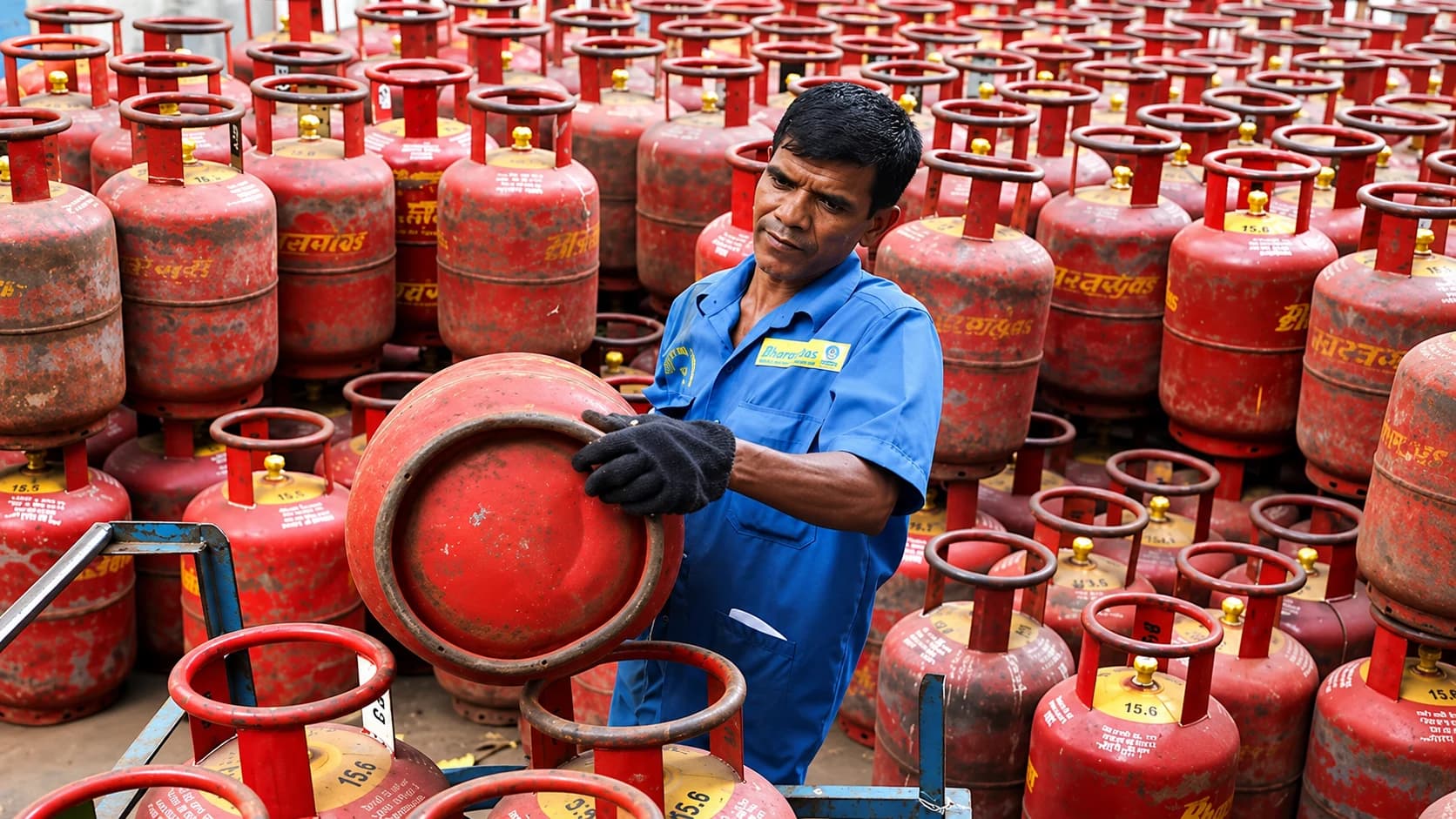
KARACHI, Oct. 25 (Focus Pakistan) - Pakistan LPG prices have surged to as much as Rs8,200 for a 12kg cylinder in Skardu, according to industry estimates cited by Focus Pakistan, as disruptions to Iranian imports tighten supplies. In Balochistan, flour buyers face prices exceeding Rs8,000 per 50kg bag.
Irfan Khokhar, chairman of the Pakistan LPG Association, gave estimates of Rs7,000 for a 12kg cylinder in Balochistan, Rs7,500 in Lahore and Rs8,200 in Skardu. “Already, LPG is being sold at different prices in Pakistan,” he told the agency.
One Lahore resident told Focus Pakistan he paid Rs250 a kilo before the border closed. He now pays Rs500 to Rs600.
OGRA’s notified price for October is Rs279.34 a kilo. For a household cylinder holding 11.8kg, that comes to Rs3,296.23. The notification covers LPG from local producers. Imported supplies make up a large share of the market and often sell above that rate.
Pakistan LPG Prices Jump 22.44% in One Week
Official figures point the same way. LPG posted the sharpest weekly increase of any item in the Pakistan Bureau of Statistics (PBS) Sensitive Price Indicator (SPI), rising 22.44% in the week ended Oct. 22.
Also Read: Pakistan GDP Hits Four-Year High, Then Growth Plunges to 2%
PBS measures a slightly smaller 11.67kg cylinder, which averaged Rs6,310.76 that week, up from Rs5,154.16 a week earlier, according to PBS data. That works out to about Rs541 a kilo, nearly double OGRA’s rate. LPG prices stood 107.12% higher than a year earlier.
The SPI rose 0.65% over the week and 11.85% year-on-year, reversing a 0.04% dip in the week ended Oct. 15. Chicken climbed 12.20% and onions 4.19%. Tomatoes fell 21.99% and petrol 3.63%.
Iran Border Closure Choked Supply
Pakistan’s Ministry of Commerce suspended trade through the Gabd-Rimdan and Taftan crossings on Oct. 17. The two governments gave different reasons for the move. Traders told the agency the closure halted LPG imports and left hundreds of trucks stranded.
More than 4,000 tonnes of LPG had been entering Pakistan daily through Gabd-Rimdan alone, News of Bahrain reported. Iran supplies more than 60% of Pakistan’s LPG, Al Jazeera reported in April. Much of it moves overland by truck.
On Thursday, gunmen torched dozens of the stranded trucks parked near the closed Gabd crossing.
Pakistan reopened Gabd-Rimdan on Saturday. Border officials cleared consignments carrying notes dated Oct. 16 or earlier. Mir Naveed Jan Kalmati, president of the Gwadar Chamber of Commerce and Industry, said the reopening could ease the LPG shortage and cool energy and food prices.
Taftan’s full reopening remained uncertain. Nobody has said how quickly retail prices will come down.
OGRA’s own benchmark has climbed about 27% this year. It stood at Rs219.68 a kilogram in January.
Balochistan Flour Crisis Deepens
Traders in Khuzdar, Chagai, Washuk and Kech want more than Rs8,000 for a 50kg bag of flour, Focus Pakistan reported. The same bag sold for about Rs6,000 three months earlier. In Quetta, a 20kg bag costs Rs3,330, according to Focus Pakistan.
Quetta residents report increases of up to 20% in vegetable, meat and milk prices. Dropping meat saves little when flour, pulses and the gas under the pot all cost more.
Flour prices vary widely across the country. Buyers in Karachi, Peshawar and Islamabad paid Rs3,400 for 20kg on Oct. 9, ARY News reported. Lahore’s price didn’t budge from Rs2,300.
The SPI tracks 51 essential items across 50 markets in 17 cities. Remote districts such as Chagai and Washuk fall outside its coverage, so the weekly index does not capture the highest flour prices reported there.
What the Squeeze Means for Households
PBS sets its lowest consumption group at monthly spending of up to Rs17,732. That figure marks the top of a statistical bracket, not any family’s actual income.
As a rough illustration, one 11.67kg cylinder at the PBS average of Rs6,310.76 plus one 50kg flour bag at Rs8,000 adds up to about Rs14,311. That equals roughly 81% of the bracket’s upper limit. A cylinder and a flour bag rarely last the same length of time, so the comparison shows scale, not a monthly budget.
Small businesses that run on cylinders, including roadside food stalls, restaurants and bakeries, also face higher fuel bills. Khokhar told the price pressure has already spread to other goods.
LPG prices could fall by Rs30 to Rs40 as Iranian supplies resume. Even that cut would leave market prices far above OGRA’s Rs279.34 benchmark.
The regulator announces November’s rate at the end of the month. Residents in Balochistan and Punjab want something else first: authorities enforcing the price already on paper.