
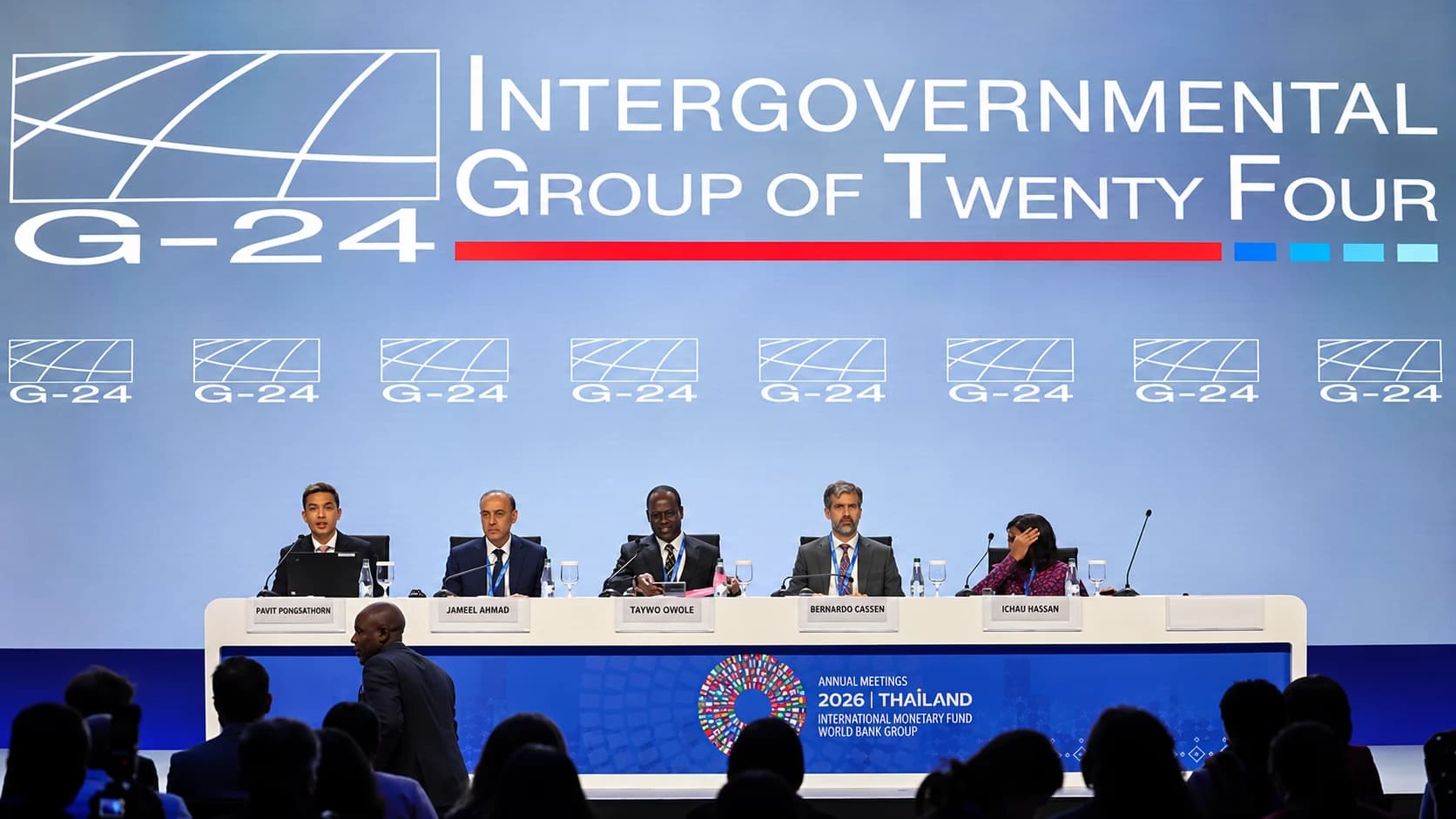
ISLAMABAD, Nov 1 (Focus Pakistan) — Pakistan still leans on an International Monetary Fund programme to steady its own books. Now, the Pakistan G24 chairmanship puts Islamabad at the helm of a coalition of developing economies seeking greater influence over the IMF, World Bank and global financial rules.
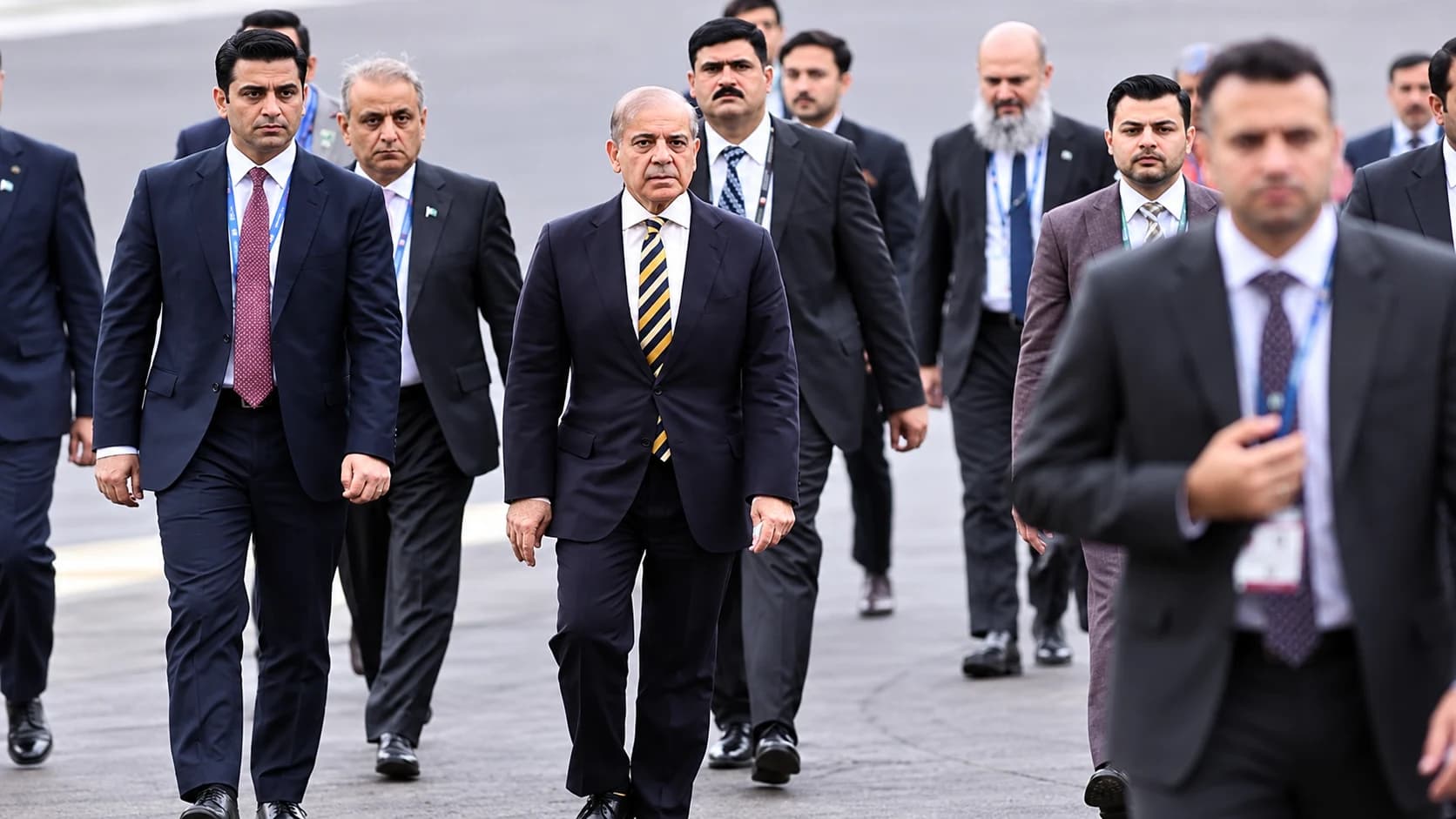
Pakistan G-24 chairmanship began on Sunday, when Islamabad took over the Intergovernmental Group of Twenty-Four from Nigeria. Finance Minister Muhammad Aurangzeb, who will steer the group’s agenda, called the role “a profound responsibility.”
He set out three priorities. Development comes first. Aurangzeb wants growth, investment and jobs placed at the centre of global economic policymaking, not left at its margins.
Second, he wants developing nations to have a real voice inside the international financial institutions. It’s an old complaint. Rich countries still control the bulk of the voting shares at the Fund and the Bank, and G-24 members have argued for years that the split no longer matches who actually drives global growth.
Aurangzeb’s third priority reaches further: reforming the global financial architecture and improving access to development financing. That means more affordable financing, sustainable solutions for heavily indebted countries and stronger support for economies facing repeated climate shocks.
Also Read: Shehbaz Revives Shelved Moscow Trip, Bringing Big Business Delegation Along
Pakistan knows that last problem first-hand. The catastrophic 2022 floods tore through the country’s economy and left a reconstruction bill it still carries.
A bloc with a voice, not a veto
Developing countries launched the G-24 back in 1971. The group now has 28 member countries, with China taking part as a special invitee, and its original name has survived the expansion. Members from Africa, Asia, Latin America and the Caribbean use it to agree on a common line ahead of IMF and World Bank talks. A coordinated position gives developing economies greater negotiating weight.
The chairmanship gives Pakistan no direct authority over either lender. The G-24 can lobby the Fund and the Bank as hard as it likes, but final decisions stay with their boards. The group’s leverage comes from negotiation and steady pressure.
That puts the burden on Aurangzeb’s diplomacy. He has pledged to run the chairmanship through consultation and consensus and to build on Nigeria’s work. He also tied the group’s credibility to delivery. Members, he argued, should judge the G-24 by the development gains it secures, not by the statements it issues.
Aurangzeb brings his own case study to the table. He pointed to Pakistan’s recent stabilisation drive as proof that economic stability and long-term development need not pull against each other.
Zardari, Shehbaz welcome the role
President Asif Ali Zardari sent his congratulations to Aurangzeb and the finance team. Pakistan, he said, can now use the G-24 to push the common interests of developing economies, and use it well.
Prime Minister Shehbaz Sharif called the chairmanship a significant diplomatic milestone. He said it would strengthen Pakistan’s role and voice in global economic affairs and give Islamabad a platform to push essential reforms in the international financial system.
Sharif also praised the finance minister’s team for its diplomatic efforts during the IMF and World Bank annual meetings in Bangkok in October.
The real test
Results won’t come easily right now. Plenty of poor countries are struggling with debt repayments, cheap concessional money is hard to find, and the climate bill grows every year faster than anyone can fund it.
Pakistan now has to turn the interests of 28 member governments into one negotiating position. It must then press that position on institutions where wealthy shareholders still hold the decisive votes.
Islamabad has spent years asking the IMF for support. Now it must build consensus among developing economies seeking to change the global financial rules that shape their futures.