
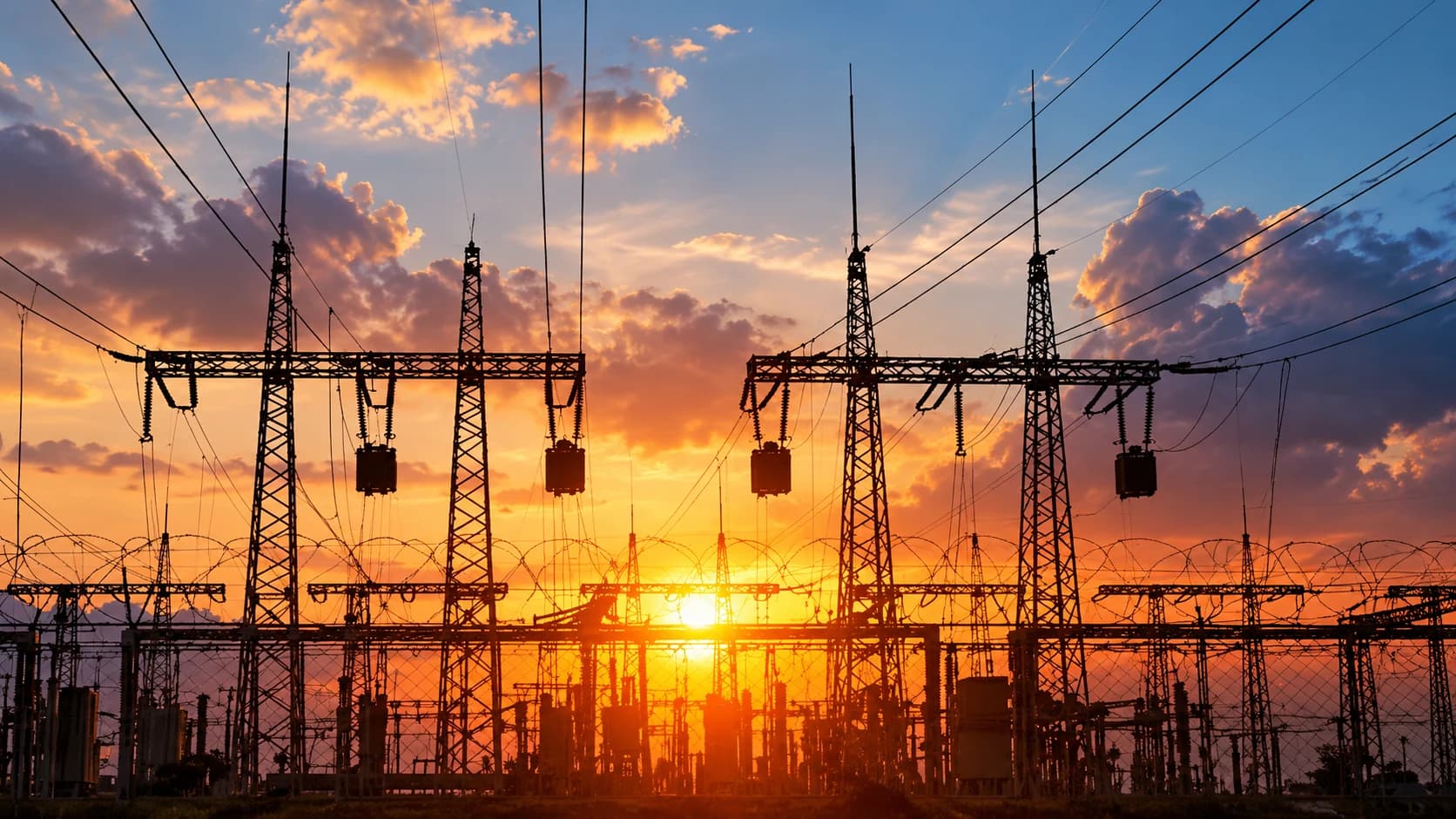
ISLAMABAD, Oct 20 (Focus Pakistan) — Pakistan fuel shortages forced the power system to restrict approximately 1.25 billion units of electricity demand between March and August 2026, according to a CPPA-G report that warns continued fuel constraints could increase power purchase costs in 2027.
The Central Power Purchasing Agency (CPPA-G) put load management caused by fuel constraints at about 1,254 million units over the six months. The number sits in CPPA-G’s forecast for 2027. The agency sent it to NEPRA on Oct. 12, and the regulator posted it online a week later.
PAY MORE FOR LESS
In CPPA-G’s own scenarios, scarcity pushes the per-unit price up, not down.
The agency’s main forecast takes an optimistic view. It assumes the fuel problem goes away and demand rises 2.6%. The agency projects demand of 130,081 million units at the 132-kV level, with an average power purchase price of Rs27.309 per unit.
If fuel constraints persist, CPPA-G expects demand growth of just 0.7%. Under that scenario, the average purchase price climbs to Rs27.568. The difference works out to roughly 26 paisa a unit.
Also Read: Less Oil, Bigger Profit: Pakistan Oilfields Quarterly Earnings Surge 51%
That gap applies to the price distribution companies pay for power, not directly to household bills. Still, the purchase price forms the largest single input into consumer tariffs.
The explanation lies in capacity payments, the fixed sums Pakistan owes power plants whether they run or not. That bill comes to Rs1.914 trillion next year by CPPA-G’s estimate, more than half of everything it expects to spend. Lower demand spreads those fixed costs over fewer purchased units, which is why each unit costs more in the low-demand case.
WHERE THE GAS WENT
The shortages trace back to the Middle East war. March broke the supply chain. With the Strait of Hormuz shut, LNG cargoes stopped arriving, and Qatar invoked force majeure on its LNG contracts worldwide. Pakistan’s were among them, Dawn reported.
Gas-fired plants felt it first. In April, RLNG plants generated just 308 gigawatt-hours, Arif Habib Ltd said, citing NEPRA data. In the same month a year earlier, they produced 2,157 GWh.
Power Minister Awais Leghari told a news conference in mid-April that load management had reached six to seven hours in some areas. On May 1, he announced an end to load-shedding after the first LNG cargo in nearly two months docked at the Pakistan GasPort terminal.
Supply stayed fragile through the summer. In July, Sui Northern Gas Pipelines notified LNG-based power producers that it was declaring force majeure from July 14 to Aug. 3, Arab News reported.
Even CPPA-G’s base case points to costlier power. Its projected purchase price of Rs27.309 per unit compares with Rs25.32 that NEPRA approved for 2026. Total procurement cost would reach Rs3.552 trillion.
The six scenarios run from Rs25.883 in an ideal case to Rs29.255 in the worst case, which assumes Rs290 to the dollar and Brent crude at $118 a barrel. The base case uses Rs279 and $92 Brent.
CPPA-G called fuel forecasting unreliable because of the war. Brent explains the caution. It traded near $69 a barrel in February and around $127 by late March, the report notes. CPPA-G wants NEPRA to keep the option of revising its price references mid-year should fuel markets lurch again.
ON THE TABLE NOV. 3
Stakeholders get their say on Nov. 3, when NEPRA hears the forecast in public. The regulator will then set the references used to rebase consumer tariffs for ex-WAPDA distribution companies from Jan. 1, 2027.
The purchase price covers only the cost of buying electricity. Distribution costs, losses, adjustments and taxes all add to the rate households pay. CPPA-G describes its figures as indicative, and NEPRA will make the final call.