
ISLAMABAD, Nov 1 (Focus Pakistan) — Robotic surgery in Islamabad reached a new milestone when a surgeon at a healthcare conference removed a patient’s gallbladder at Kulsum International Hospital by steering a surgical robot over a live link. Shaheed Zulfiqar Ali Bhutto Medical University (SZABMU) called it the capital’s first robotic gallbladder operation performed through telesurgery.
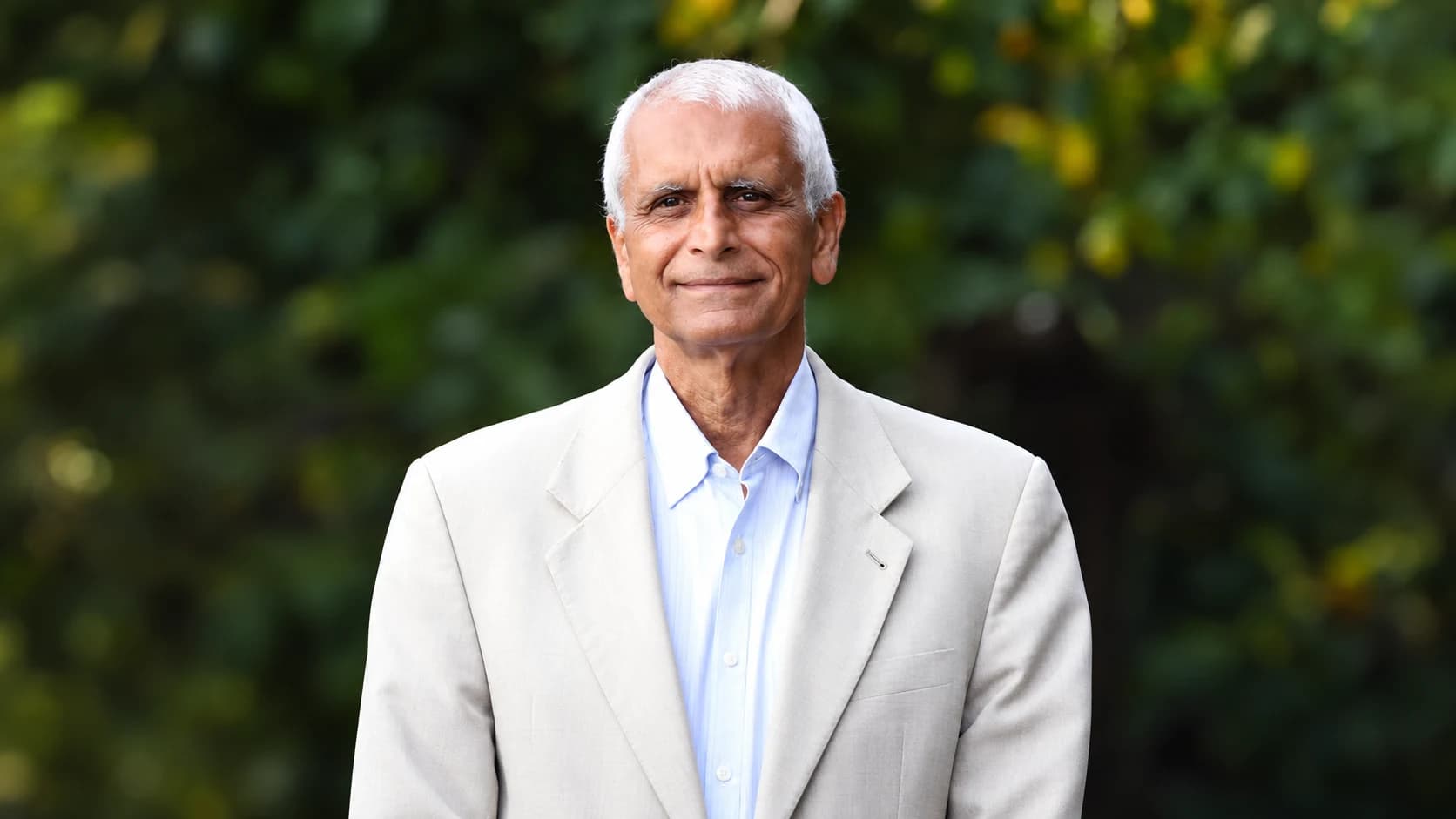
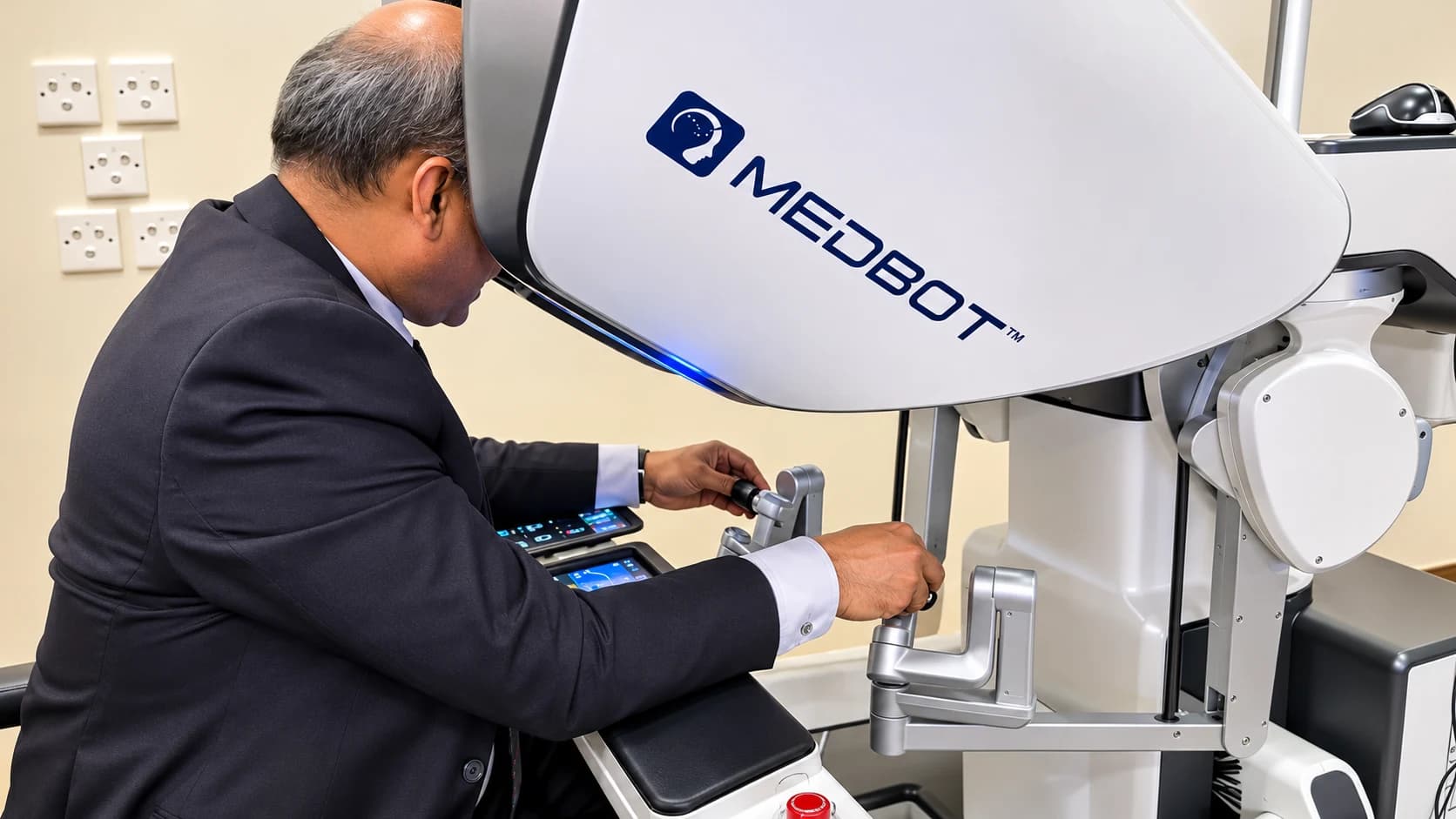
Prof. Dr. Syed Tanseer Asghar, the university’s registrar, worked the console from the Gandhara Heritage and Culture Centre, venue of the International Conference on Future of Healthcare (FHCC 2026), according to a university statement. The patient lay in an operating theatre at Kulsum, a cardiac and general hospital that Saif Group runs in the city’s Blue Area.
Unlike two earlier cross-border operations, in which surgeons in Kuwait and the United Arab Emirates sat at the console, the Islamabad procedure kept both the console surgeon and the bedside team in Pakistan.
In December 2025, surgeons in Kuwait operated on a woman at Karachi’s Lyari General Hospital from about 1,600 kilometres away. Sindh health officials described it as the country’s first cross-border telerobotic surgery. In February this year, urologists at Cleveland Clinic Abu Dhabi removed the kidney and ureter of a Pakistan-based patient from a console in the UAE, the hospital said.
Conference delegates followed the Islamabad operation as a live demonstration.
Also Read: Pakistani Surgeon Who Performed 4000 Heart Surgeries Wins Britain's Lifetime Achievement Award
On the hospital side, consultant robotic and vascular surgeon Dr. Sana Sharafat Ali acted as the patient-side surgeon. She handled the robot’s patient cart and gave surgical support in the room, the statement said. She and Asghar stayed in contact for the length of the operation.
In telesurgery, much rests on that bedside team. The team at Kulsum provided direct surgical support, while Asghar controlled the robotic instruments remotely.
Vice Chancellor Prof. Dr. Tanwir Khaliq, a surgeon by training, described the operation as “an important step for SZABMU and for the wider healthcare community.”
“It shows how robotic technology, reliable connectivity and close coordination between surgical teams can expand the possibilities for specialist care,” he said. He added: “As we develop these capabilities, patient safety, professional training and responsible use of technology must remain central.”
Khaliq said the university had secured approval for its first Robotic and Artificial Intelligence Health Centre. The proposed centre aims to develop robotic and AI applications in healthcare while supporting professional training and institutional capacity-building.
The statement did not disclose the patient’s condition after surgery, name the robotic platform or describe the network that linked the conference venue to the hospital.
The capital’s public hospitals have marked robotic milestones of their own. Capital Hospital CDA performed what it called Pakistan’s first robotic bariatric operation in May 2025, at an event Asghar organised. The Pakistan Institute of Medical Sciences carried out its first robotic surgery in November 2025, using a Chinese-made Toumai system, with local surgeons and specialists from Britain on the team.
Gallbladder removal, known as cholecystectomy, counts as routine work in general surgery.
The communication network presents one of telesurgery’s most demanding safety challenges. Excessive or unpredictable delays between the surgeon’s console and the robotic instruments can compromise precision and patient safety. Authors of a letter in the May 2026 issue of the Journal of the Pakistan Medical Association recommended “response times” below 200 milliseconds for remote robotic surgery. They also urged encryption, along with specialised training and credentialing for surgeons who operate remotely.
Over time, SZABMU said, the technique may help bring specialist surgical skills to patients in places that lack them. The university cautioned that wider use hinges on dependable technology and proper clinical protocols. Surgeons at the console and teams in the theatre would also need to work in close step, it said.