
Sindh expands Thar Block-II coal capacity by 47%, targets industrial buyers and chemical production as a railway connection moves closer to completion.
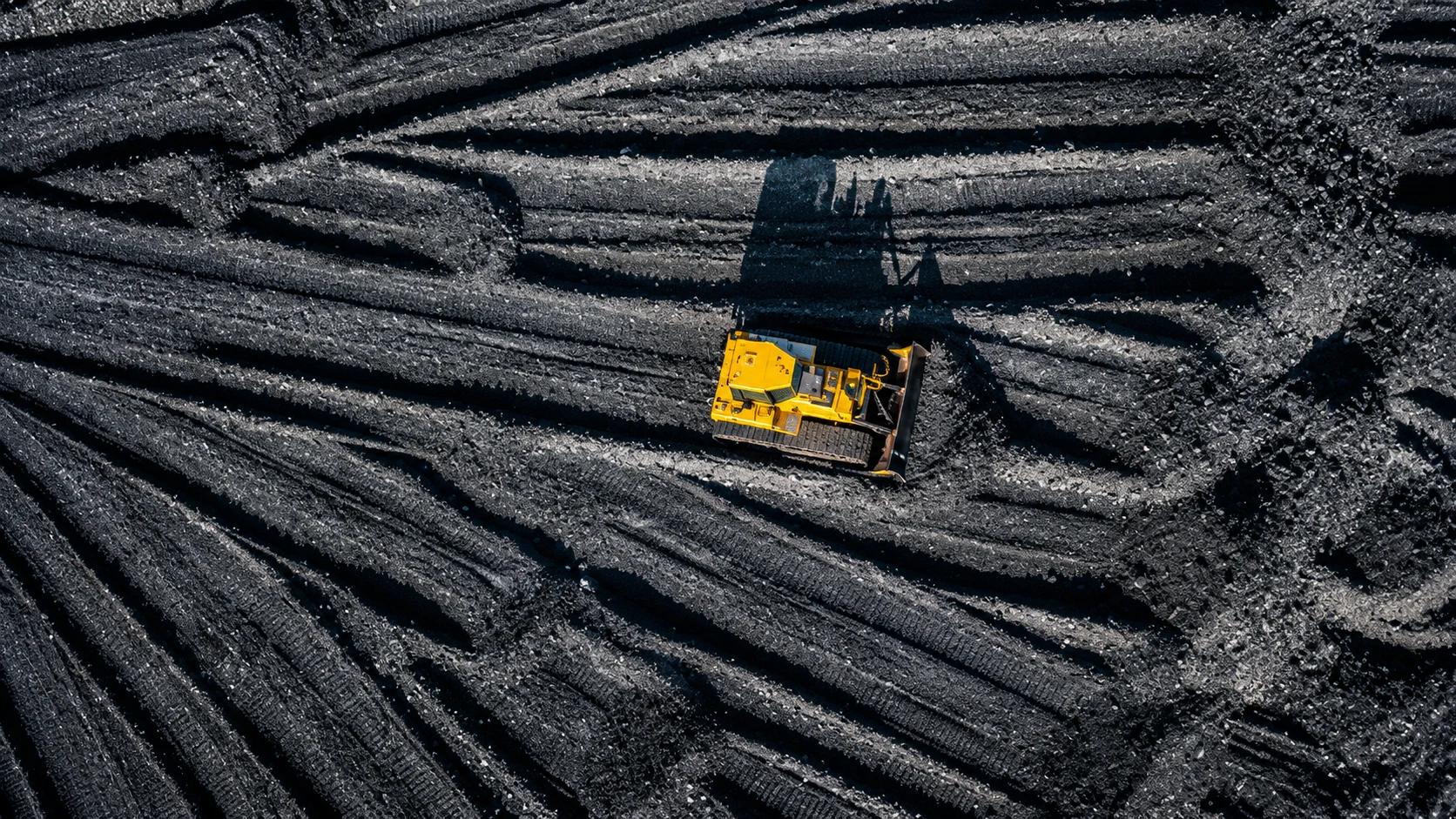
KARACHI, Nov 7 (Focus Pakistan) - For seven years, Thar coal has done one job: keeping power plants running. Sindh now wants it working in factories too. Senior Minister Sharjeel Inam Memon said in a statement that the province is turning the Tharparkar coalfield into an industrial base, not just a fuel depot for electricity. The pitch rests on a bigger mine. Thar Coal Block-II can now produce 11.2 million tonnes a year, up from 7.6 million. That adds 3.6 million tonnes, and Memon said local coal will now reach other industries as well as power plants.
He also drew a line on costs. Electricity consumers won’t pay through their tariffs for any expense tied to selling coal to industrial buyers, he said.
The arithmetic deserves a closer look. Block-II belongs to Sindh Engro Coal Mining Company, or SECMC, and the company already knows where its new coal is headed. Lucky Electric runs a 660MW plant at Port Qasim that burns 3.6 million tonnes a year. SECMC has said Phase III will supply every tonne of it. That plant had been burning imported Indonesian coal.
Add Lucky to the plants Block-II already feeds, and the mine’s coal now powers 1,980MW. Before the expansion, the figure stood at 1,320MW.
The ribbon-cutting took place on October 5. Sindh Chief Minister Syed Murad Ali Shah did the honours alongside Bilawal Bhutto Zardari, who chairs the PPP. Shah said the company paid for the expansion entirely on its own. SECMC puts import savings since 2019 at more than USD1.7 billion. Its chief executive, Amir Iqbal, has said Thar coal costs power companies 8 to 10 percent less than imported coal, even after trucking it to Karachi.
Also Read: Pakistan’s ‘First’ Marble City Taking Shape in Karachi: Sharjeel Memon
For industry, the bigger opening lies further out. SECMC plans a fourth phase that would lift the mine to 20 million tonnes a year, with 2030 as the target.
The moisture problem
Thar lignite holds a lot of water and burns with less heat than imported coal. That has kept most industrial users away. Memon said a project to upgrade coal for industrial use is now under way, though he gave no details. The October ceremony did include the country’s first coal drying unit.
Cement makers look like the natural first customers, since the industry leans heavily on imported coal. SECMC has estimated that blending 20 percent Thar coal into cement kilns would take about 5 million tonnes a year.
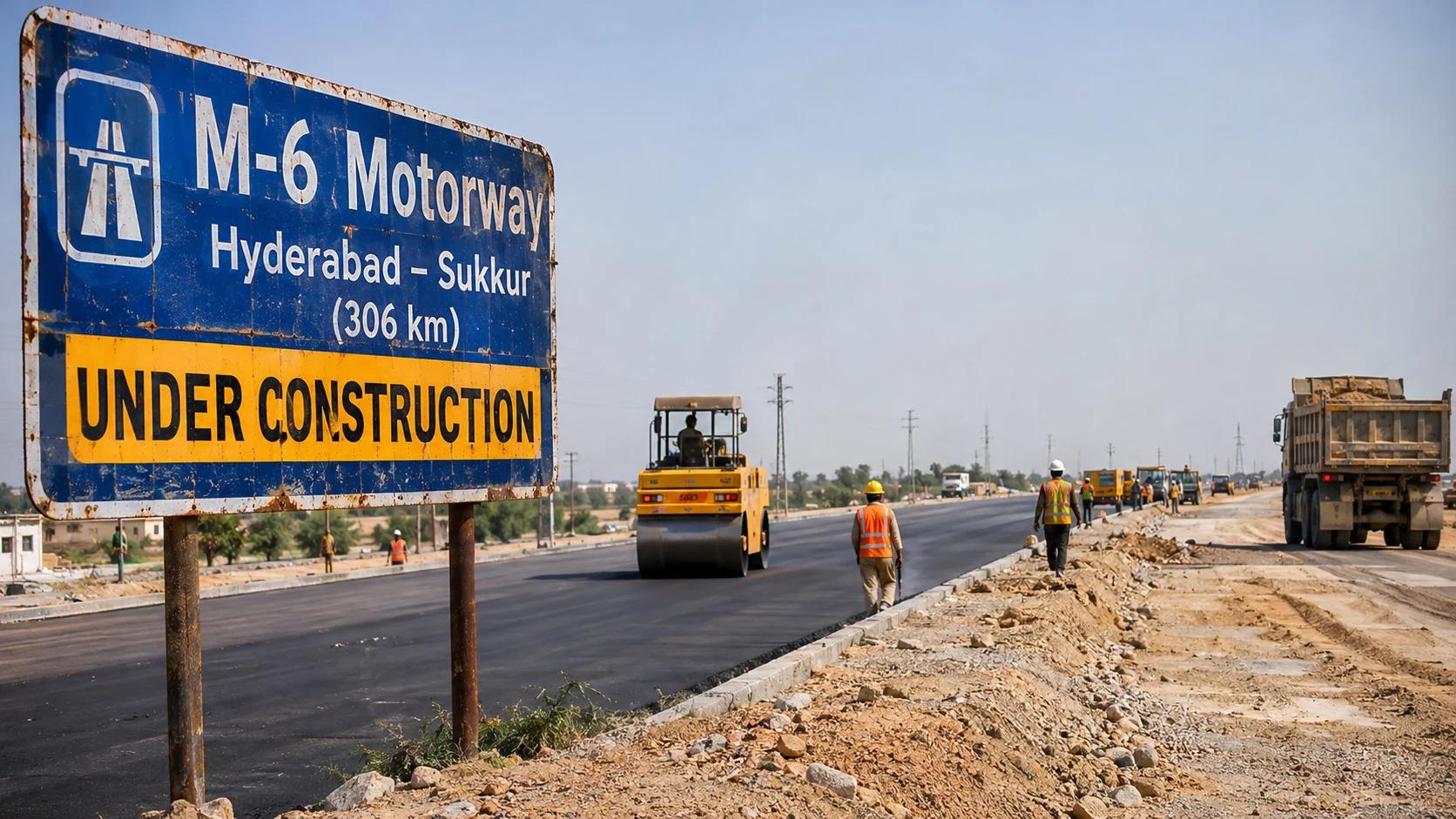
Moving coal out of the desert remains the bottleneck. Memon said work on the rail link connecting Thar to the national network has reached 68 percent. The project lays a 105-kilometre track from the mines to New Chhor station, plus a 9km double line between Bin Qasim and Port Qasim. Federal Railways Minister Hanif Abbasi has set December 2026 as the finish date. At 68 percent, that leaves less than two months for the rest of the work.
Once complete, the line can haul up to 10 million tonnes of coal a year, according to Pakistan Railways.
Beyond burning it
Memon pointed to investment openings in methanol, chemicals and coal gasification. The province is also studying how to use coal as an industrial raw material instead of simply burning it for heat, he said. That shift could pull in fresh investment and new industrial activity.
Modern technology and the right infrastructure will put Thar’s resources to work for the country’s industrial growth, Memon said. In his view, better use of local reserves would shore up energy security and push Pakistan closer to economic self-reliance.
For now, the coal still has to reach the factories. The railway decides when.