
Pakistan's power regulator approves an 11.2% increase in the discounted electricity rate, but two members challenge the calculation as unjustified.
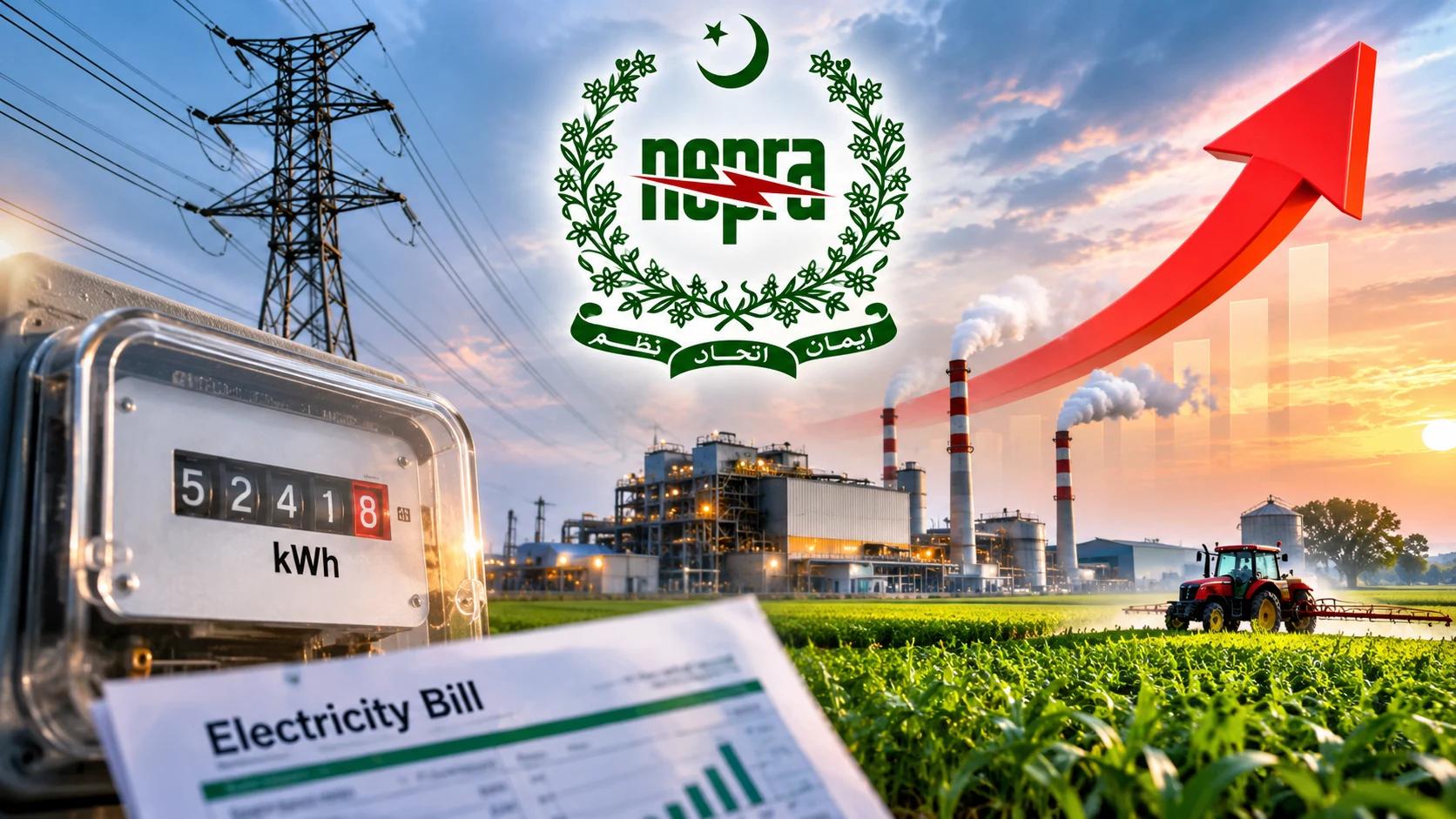
ISLAMABAD, Nov. 7 (Focus Pakistan) - The NEPRA electricity tariff for additional industrial and agricultural consumption has climbed to Rs25.30 per unit from Rs22.98, cutting relief by Rs2.32. The regulator's chairman settled the decision with a casting vote after acknowledging the arguments of two dissenting members who opposed the increase.
The National Electric Power Regulatory Authority issued the decision on November 6 after reviewing the scheme, and sent it to the federal government for notification. The new rate takes effect from the November 2026 billing month.
The authority split 2-2. Chairman Waseem Mukhtar and the Member (Law) backed the Energy Ministry’s proposed rate. Member (Tariff) Amina Ahmed and Member (Development) Maqsood Anwar Khan opposed it, and Mukhtar broke the tie.
The chairman’s own note is what makes the ruling unusual. Mukhtar endorsed the dissenting members’ written arguments and said their conclusions “need serious consideration.” Then he voted the other way.
A rate the dissenters call baseless
The two dissenting members called Rs25.30 baseless. They cited NEPRA’s own institutional calculations, which put the marginal cost of serving the extra demand at Rs31.83 per unit. By that estimate, the new rate is still Rs6.53 below cost.
Also Read: NEPRA Slaps Rs2.37 Fuel Charge on November Bills, Karachi Included
The ministry worked out Rs25.30 by taking the generation mix it assumed when it designed the package and updating only the fuel prices. The dissenters recommended suspending the package temporarily until government entities provide authentic cost data.
NEPRA calls the rate provisional. The regulator says Rs25.30 is not a final finding on marginal cost, and it will hold a full technical assessment before it decides on a final rate.
Incremental consumption package relief shrinks
The government launched the three-year package in late 2025 to sell surplus power and boost industrial activity. It runs until October 2028. The discounted rate applies only to consumption above the same month of the previous year. Base consumption stays on regular tariffs.
Industrial consumers normally pay about Rs34 per unit and agricultural consumers about Rs38. At Rs22.98, the package saved them roughly Rs11 and Rs15 on each extra unit. At Rs25.30, those savings drop to about Rs8.70 and Rs12.70.
Households are not on the package, so this decision does not change their bills.
The timing adds to the cost. Under the package’s original terms, positive fuel charges adjustments also apply to incremental units. On the same day, NEPRA notified a Rs2.3673 per unit fuel charge for September consumption, payable in November. Industrial and agricultural users will see both changes on their November bills: the higher package rate and the fuel charge on their extra units.
Power Division plays it down
A Power Division spokesperson said the government has not touched regular industrial or agricultural tariffs. He described the change as a marginal adjustment that applies only to additional consumption.
The ministry also pointed to the package’s results. According to the Power Division, users drew 6,940 gigawatt-hours of incremental electricity between December 2025 and September 2026, and the package passed an estimated Rs43.5 billion in benefits to consumers.
The question of the real cost now goes to NEPRA’s technical review. Until that review is done, factories and farms will pay a rate that two of the regulator’s four members call baseless.