
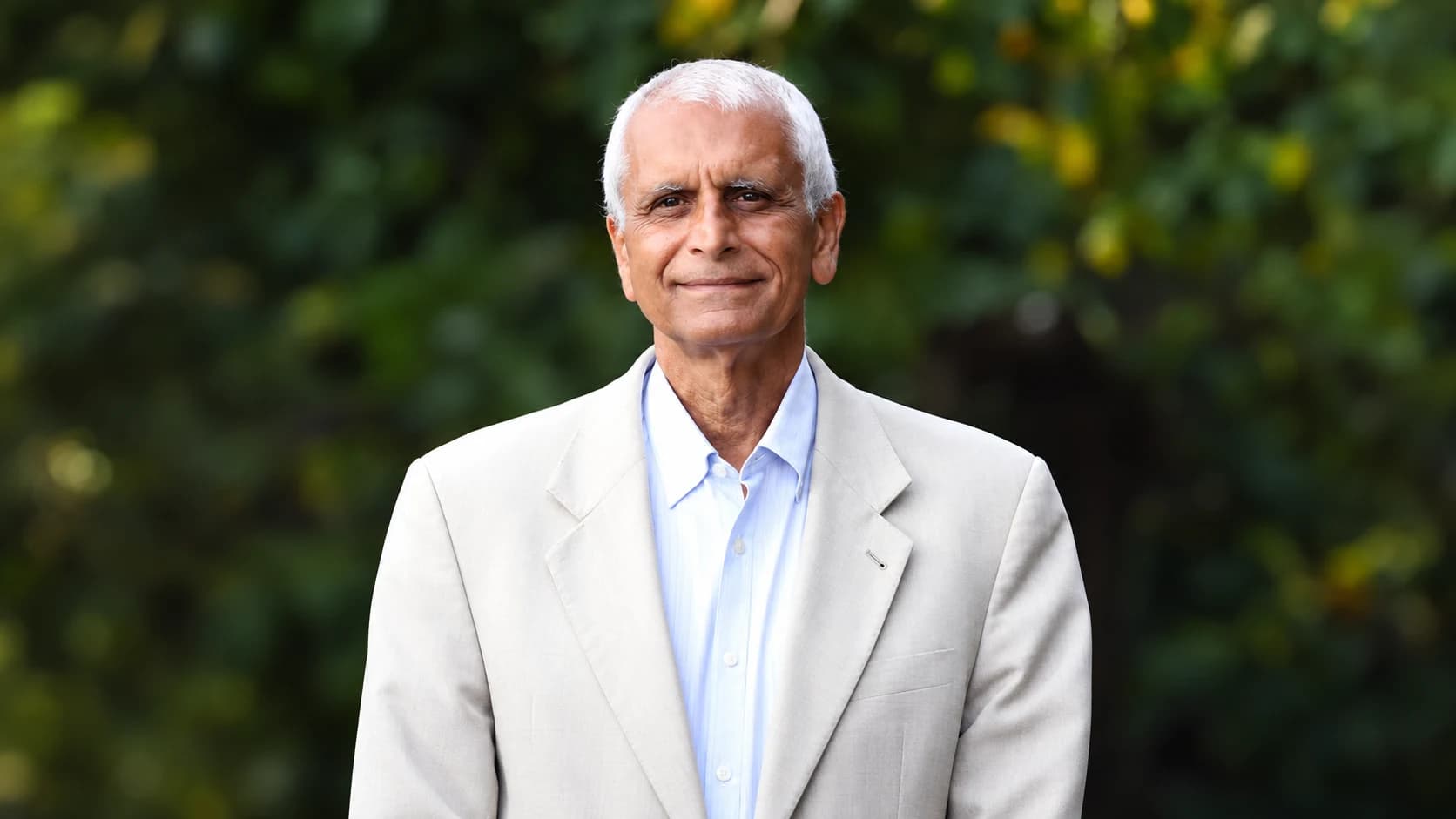
KARACHI, Oct 24 (Focus Pakistan) — Nineteen people climbed onto the Pride of Britainstage. Some came as teenagers, some as grown men and women, and a few still looked like schoolchildren. Each of them owed a heartbeat to a man who studied medicine in Karachi.
Dr Asif Hasan, a 1979 graduate of Dow Medical College, collected the Lifetime Achievement Award at the Daily Mirror’s 2026 Pride of Britain Awards. Just before his former patients came out, he waved off the fuss as “just doing my job”.
The numbers tell a different story. Hasan has performed more than 400 transplants and 4,000 open-heart operations, most of them at Newcastle’s Freeman Hospital. The awards’ judges called him the clearest example of an unsung hero.
From Civil Hospital to the Freeman
His first job came at Civil Hospital Karachi, straight after his Dow MBBS. Britain came next. Edinburgh’s surgical college gave him its fellowship in 1984, and he added a cardiothoracic fellowship ten years on.
In 1991, he took a transplant surgeon’s post at the Freeman. He stayed for the rest of his career. He later described those three decades as pioneering and thrilling, but punishing on body and mind.
Under his watch, Newcastle grew into Europe’s largest centre for transplants in congenital heart disease.
The boy he saved twice
Seb Hollingsworth’s story shows what that work means at a family dinner table. Seb had a heart defect from birth. At 16 weeks old, he went under Hasan’s knife for the first time. When Seb turned 13, he needed a second major operation. Hasan saved his life again.
Also Read: Hoechst Brings Swiss Childbirth Gel to Pakistani Mothers
Seb, now 17, led the group of former patients onto the stage. Other families at the ceremony said, in plain words, that their children would not be alive without him.
Hasan built his name on cases other centres turned away. His team kept critically ill children alive on the Berlin Heart, a mechanical pump that bridges the wait for a donor organ.
He also co-wrote a paper on a “bootlace” technique for closing a child’s chest in stages. The problem is simple to describe. A donor heart can arrive too large for a small child’s chest, so surgeons leave the chest open for a while after the operation. Hasan’s method pulls it shut a little at a time, like lacing a shoe.
A Pakistani story, too
Hasan never cut his ties with home. Back in 2021, he set down his experience of building child heart surgery services, in Britain and in Pakistan, in a paper for the Annals of King Edward Medical University. These days, teaching and mentoring young congenital heart surgeons in many countries takes up much of his time.
His advice to young doctors? Come into heart surgery now. Robotics and machine learning, he believes, will change the specialty, and it needs new blood to carry it forward.
Away from the hospital, he swims, plays tennis and works an allotment, a habit he picked up from his mother, a trained horticulturist. He also helped keep a century-old medical cricket team alive in Newcastle.
At the ceremony, Hasan handed the credit to his colleagues and to the NHS, which he called one of the world’s most extraordinary institutions.
For Pakistan, the honour carries a message beyond one man’s career. A Dow classroom in 1979 produced a surgeon whose hands kept thousands of British children alive. For the 19 people standing beside him, that legacy needs no headline at all.