
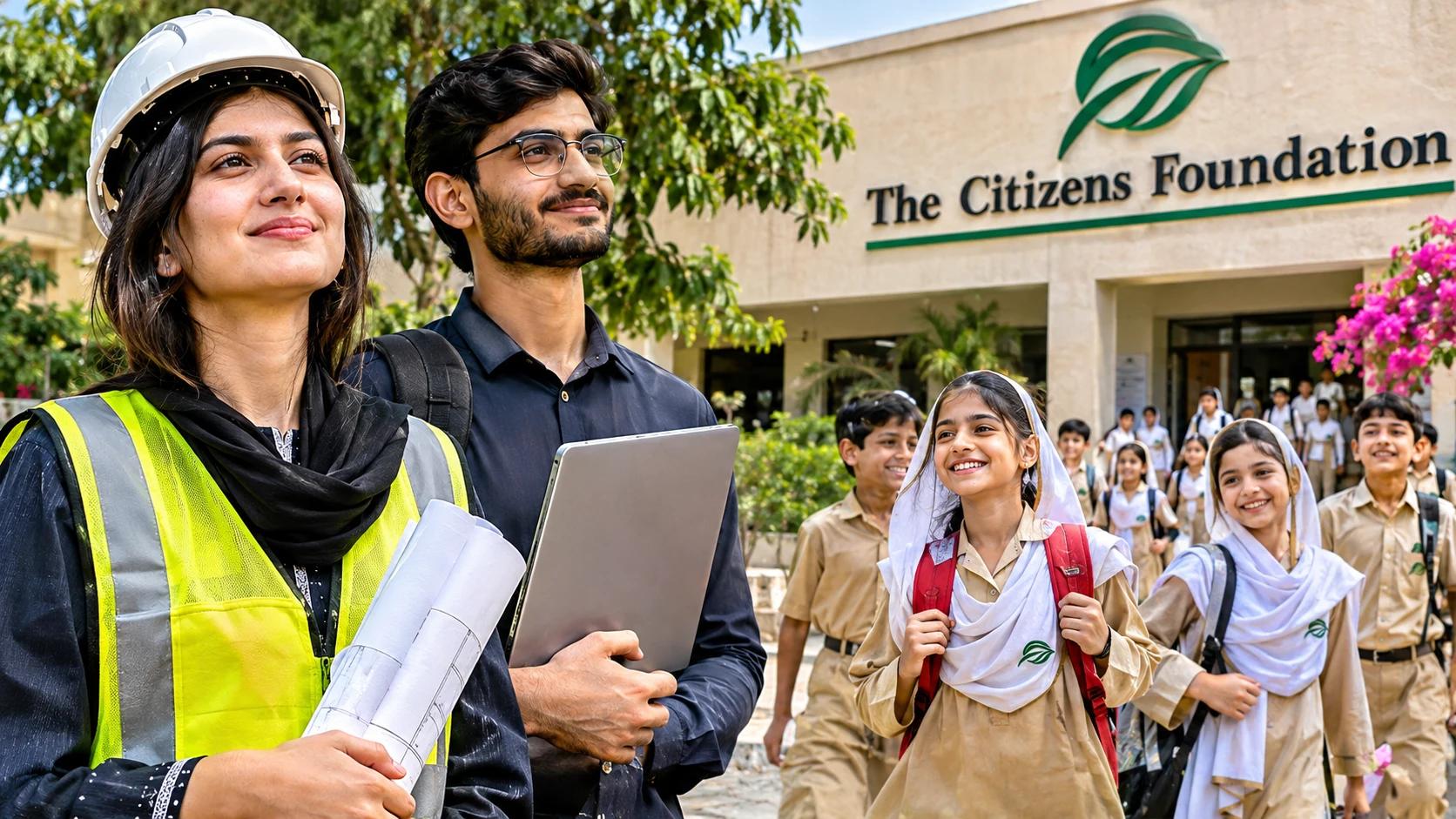
Pakistan's largest nonprofit school network adds 23,000 students in a year, while its graduates enter engineering, technology and entrepreneurship across underserved communities.
KARACHI, Nov. 9 (Focus Pakistan) - Money troubles at home pulled Kulsoom Afzal out of school as a young girl in Balochistan’s Lasbela district. A school run by The Citizens Foundation took her back in Grade 5. Today she ranks among Lasbela’s first female civil engineers.
She did not stop there. Kulsoom topped her district in the Intermediate examinations, earned her engineering degree and now studies for a master’s at NED University in Karachi.
Her old school belongs to a network that keeps getting bigger. On Friday TCF put a number on that growth: 343,000 students for 2025-26. A year ago the figure stood at 320,000. Call it 23,000 more children in a single year.
TCF now runs 2,342 school units across Pakistan, against 2,261 in its previous count. Women make up its entire teaching staff of 17,500. Girls account for nearly half its students.
Its schools have turned out 79,400 graduates since 1995, when a group of citizens started the project. Last year’s tally? Just over 71,000.
The Citizens Foundation and Pakistan’s 25 million problem
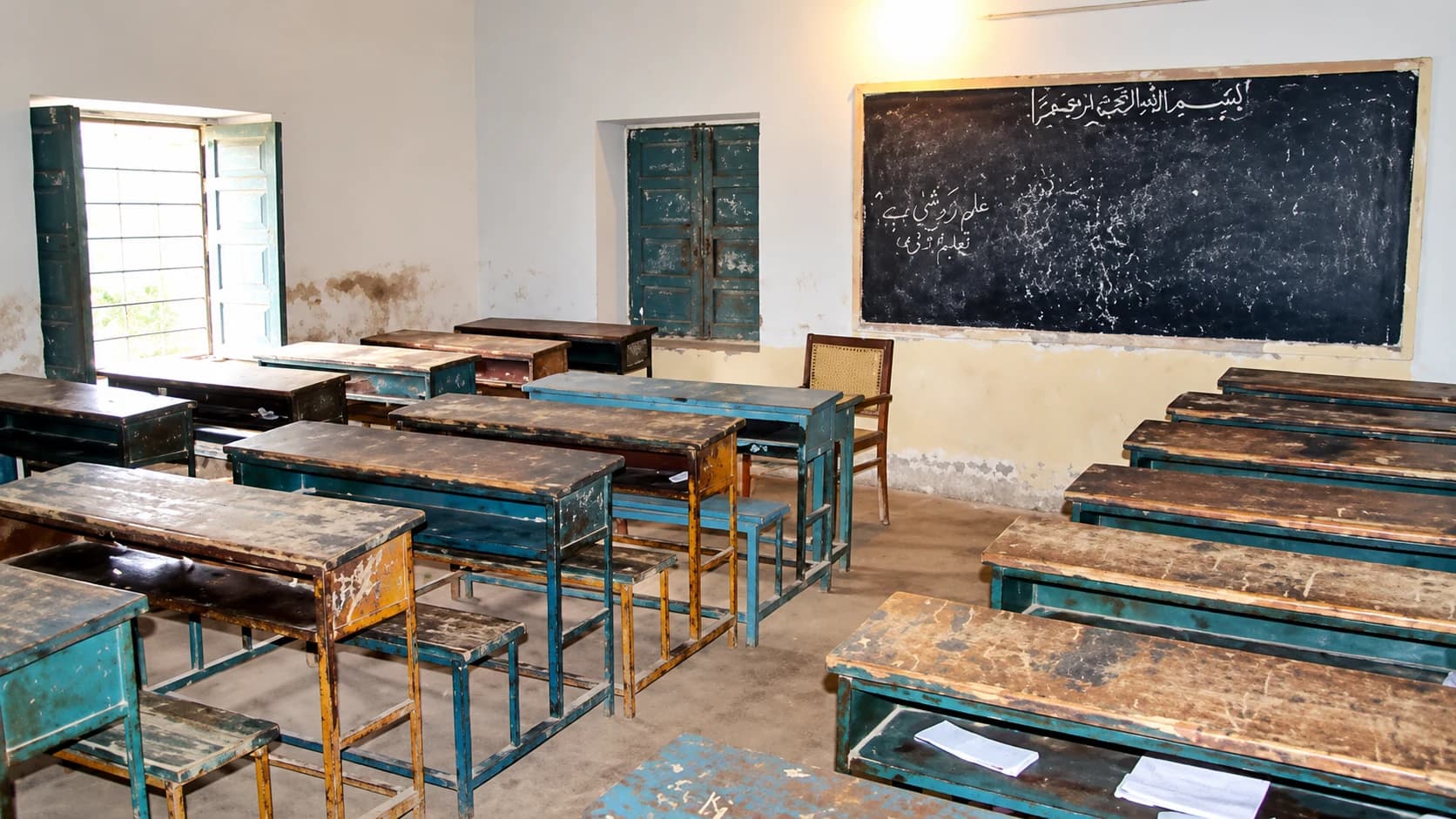
Set those figures beside the national picture and they shrink fast. Pakistan’s federal education minister gave the National Assembly a count in May: 25.37 million children between five and 16, out of school. Kulsoom’s own Balochistan has 2.94 million of them.
Also Read: Sindh Erases 60 Schools From Records. What Happened to Them?
TCF’s entire student body equals about 1.4 percent of that figure. No private network can close a gap that size alone. What TCF can show is what happens to the children who do get through its gates.
Mohammad Owais Khan took a different road. After finishing his Intermediate in computer science in Nowshera, Khyber Pakhtunkhwa, he taught himself digital skills while working to fund his plans.
A TCF scholarship got him into Abdul Wali Khan University Mardan for a computer science degree. He did not wait for graduation. Owais founded Xora Solutions, anIT company in his hometown, and the firm now employs eight people.
Zia Akhter Abbas, TCF’s president and chief executive, put it plainly. “Enrolment tells us how many children we reach,” he said.
For Abbas, the real test comes later. Do the children keep learning? Can they earn a living, look after their families and give something back where they live?
Adults back in the classroom
The foundation also teaches grown-ups. Its Aagahi Adult Literacy Programme has now reached 337,000 learners, mostly women who never got a chance to attend school. That almost matches the number of children in TCF’s own classrooms.
Classes stick to the basics: reading, writing, numbers. The goal, TCF says, is a little more independence in everyday life.
Its schools sit in poor neighbourhoods, urban and rural. Money and manpower come from teachers, families, volunteers and donors, some of them overseas.
The foundation now enters its 31st year. Its leadership talks less about getting children into school and more about where school takes them afterwards.
For Kulsoom, that place turned out to be an engineering lab in Karachi, hundreds of kilometres from the classroom she almost never returned to.