
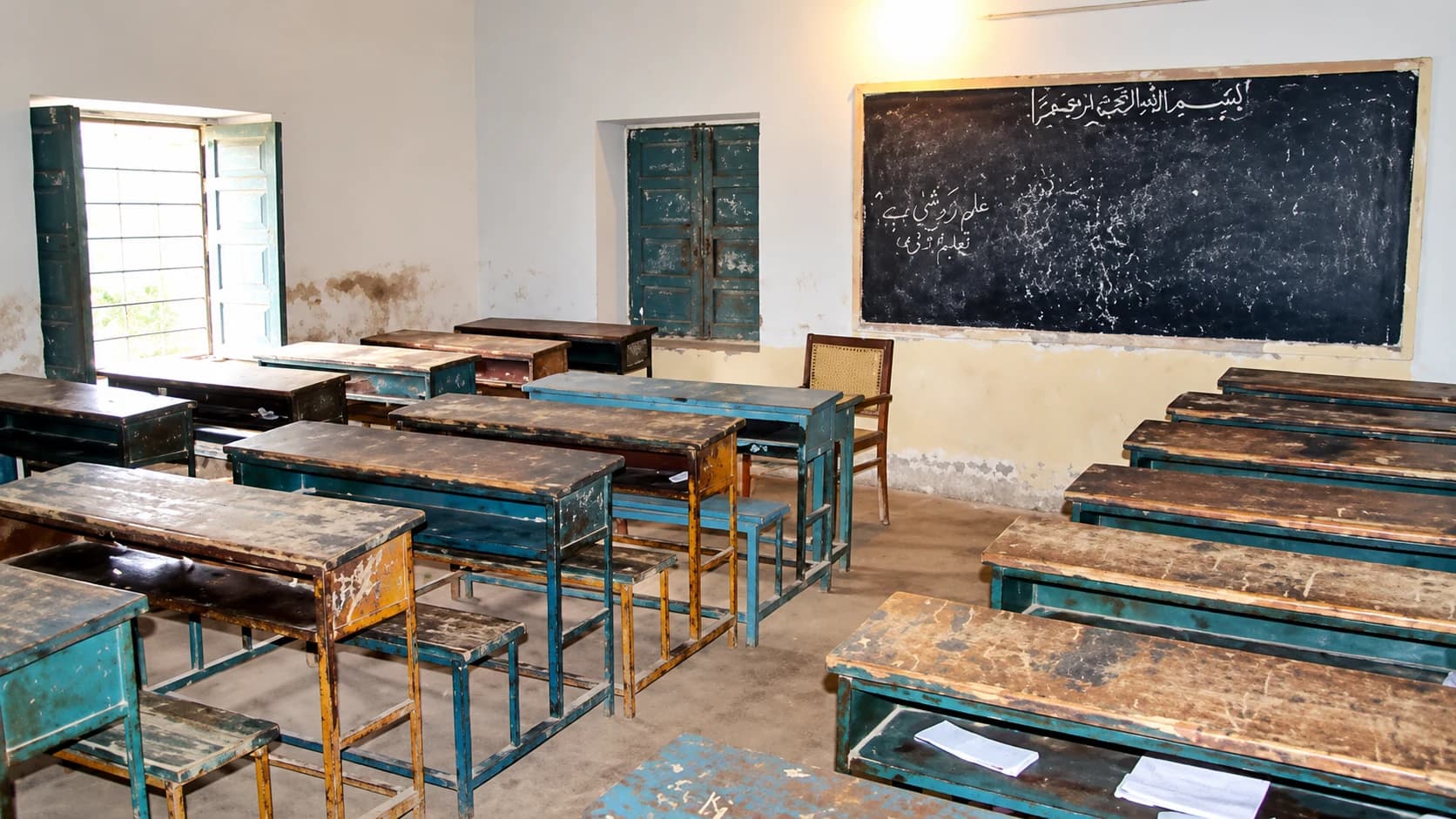
KARACHI, Oct. 21 (Focus Pakistan) — A government girls’ primary school in a Ghotki village has disappeared from Sindh’s official education records, one of 60 schools the province struck off its database in a single order last week. The Sindh school deactivation raises questions about how officials classify government schools as non-viable and what happens to the children who once studied there.
The School Education and Literacy Department issued the notification on Oct. 15 under reference DG-PDR-SELD-DE-ACTIV-18. Its public register names Government Girls Primary School Mulla Chutto Kalwar, in Union Council Changloni, alongside 59 other schools, and describes the action as deactivation and deletion from the database.
The register offers no reason for judging the schools non-viable. It doesn’t say how many children studied in them, whether their buildings still stand, or which districts hold the other 59.
A database entry going dark doesn’t prove a campus shut that day. Many schools Sindh labels non-viable have stood empty for years. The order still leaves an open question: what became of these schools, and of any children who studied there?
Delete With One Hand, Reopen With the Other
On the same day, a second order, reference SO(GA)SE&LD-Q-E-26-11, moved 539 teachers through transfers and postings, partly to reopen viable schools that had closed.
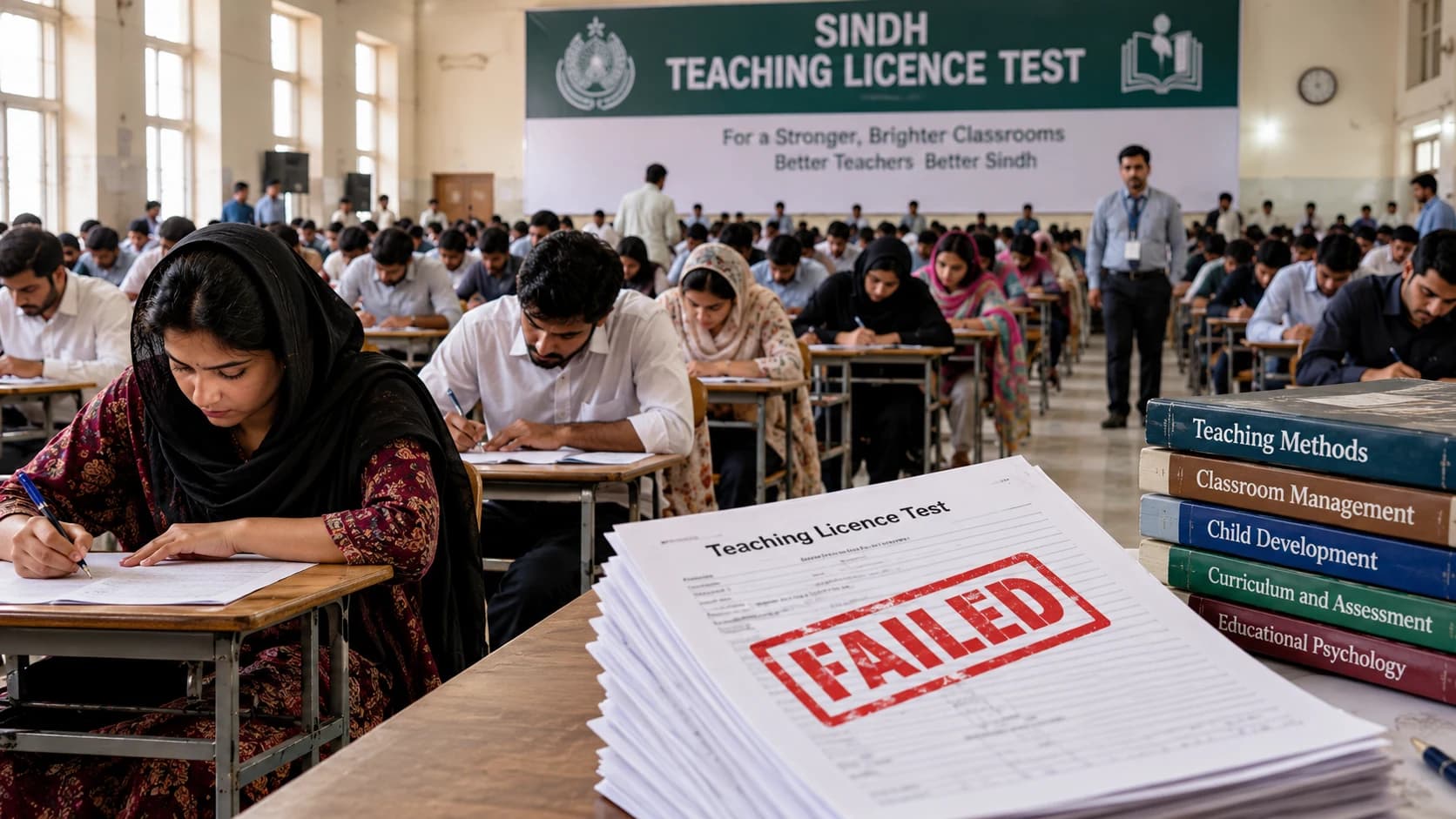
Also Read: 84% Fail Sindh Teaching Licence Exam as Government Moves to Hire Private Testing Firm
Nothing in either document links the two. Read together, they show a department cutting schools and reviving others in the same week, without publicly explaining how it tells one kind from the other.
That question has landed in court before, and the department’s track record isn’t reassuring.
In proceedings before the Sindh High Court’s Sukkur bench, officials from one district told judges that 636 schools carried the non-viable tag. Yet they conceded that 322 of those schools were in fact viable, and that they had reopened only 59.
In another order covering the Sukkur and Shaheed Benazirabad regions, the court recorded that officials had listed 992 schools as non-viable. A committee got 365 schools in the two regions running again. Nobody had yet decided what to do with 219 more.
The judges had a blunt complaint. Officials had thrown every shut school into one pile, whether it lacked a teacher, a building or pupils.
Pervaiz Ali v. Province of Sindh, a 2024 case, ended with orders to plug staffing holes and bring eligible closed schools back to life.
Unviable is not The Same as Invented
Sindh has struck schools from its books for two very different reasons.
Some schools exist but lack students, teachers or usable buildings. In 2021, then education minister Sardar Ali Shah said a survey of 7,000 such schools had found 5,000 non-viable, and that the government wanted to stop spending repair money on them.
Others never existed at all. The department once removed 1,459 schools that appeared only on paper, with no record of any students, teachers or staff, according to Geo News. Budgets had kept flowing to them for years, the report said.
The Oct. 15 order doesn’t say which category its 60 schools fall into. The public listing doesn’t let anyone tell.
Millions Already Outside Classrooms
The stakes run high in a province where classrooms already fall short. In July, Dr. Aftab Ahmed Sheikh, director of the Sindh Education Policy Commission, said the province runs more than 41,000 government schools, yet roughly 7.6 million children remain out of school.
Official counts vary. Sardar Ali Shah, the education minister, uses a smaller number: 4.1 million. He has also quoted a Pakistan Institute of Education report that puts Sindh’s tally at 7.63 million.
Under Article 25-A, the state owes every child from five to 16 a free education. School is compulsory too. A girls’ primary school in a rural union council often decides whether that promise means anything at all.
The department can settle the doubts quickly. It can publish each school’s enrolment history, its last inspection and the distance to the nearest alternative.
Until it does, the 60 deletions remain a line in a register. Sixty fewer rows in a government database may simplify the records. They don’t show whether a single child who relied on those schools still has a classroom to go to.