
NESPAK identifies nine prospective gold blocks along the Indus and Sutlej rivers, with one deposit potentially worth over Rs30 billion.
LAHORE, Nov. 19 (Focus Pakistan) – A preliminary report by National Engineering Services Pakistan (NESPAK) points to Punjab gold deposits in the Indus and Sutlej rivers, with one block holding about 75,000 tolas worth more than Rs30 billion, Provincial Minerals Minister Sardar Sher Ali Gorchani said.
The report covers sections of the Indus near Attock and Mianwali, and the Sutlej. It splits the prospective deposits into nine blocks. Initial estimates suggest two other blocks could hold 480,000 tolas, ProPakistani and Energy Update reported.
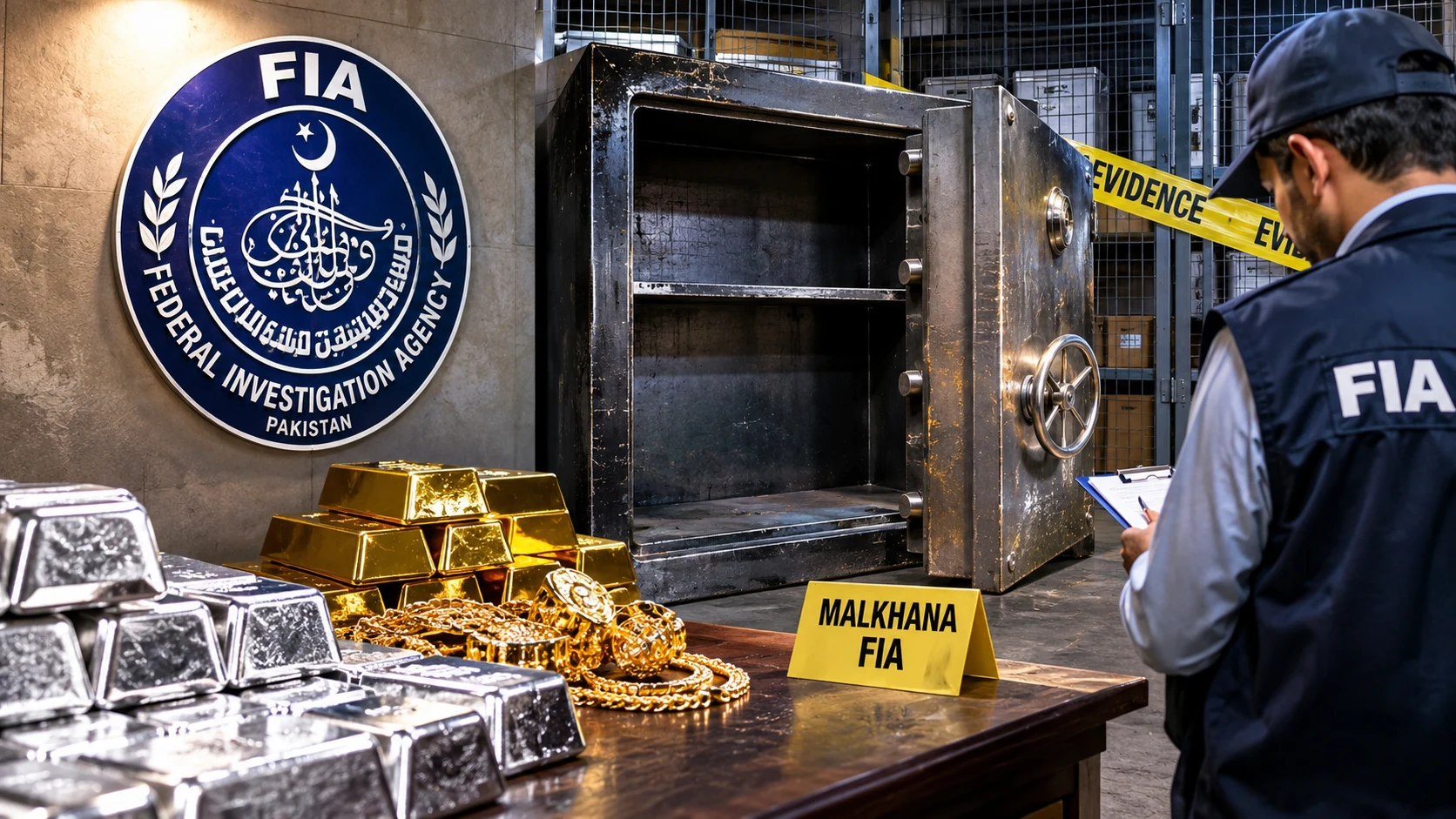
The 75,000 tolas equal about 875 kilograms of gold. The Rs30 billion valuation implies roughly Rs400,000 per tola. The 480,000 tolas in the other two blocks come to about 5.6 tonnes, and the three blocks together hold about 6.5 tonnes.
At the same implied price, the three blocks would be worth roughly Rs222 billion. That is Focus Pakistan’s arithmetic, not an official figure. The estimates are preliminary and do not establish recoverable reserves.
The Rs20 billion question
Gorchani said extraction would need about Rs20 billion in investment. The reports do not say whether that covers the first block or the whole programme.
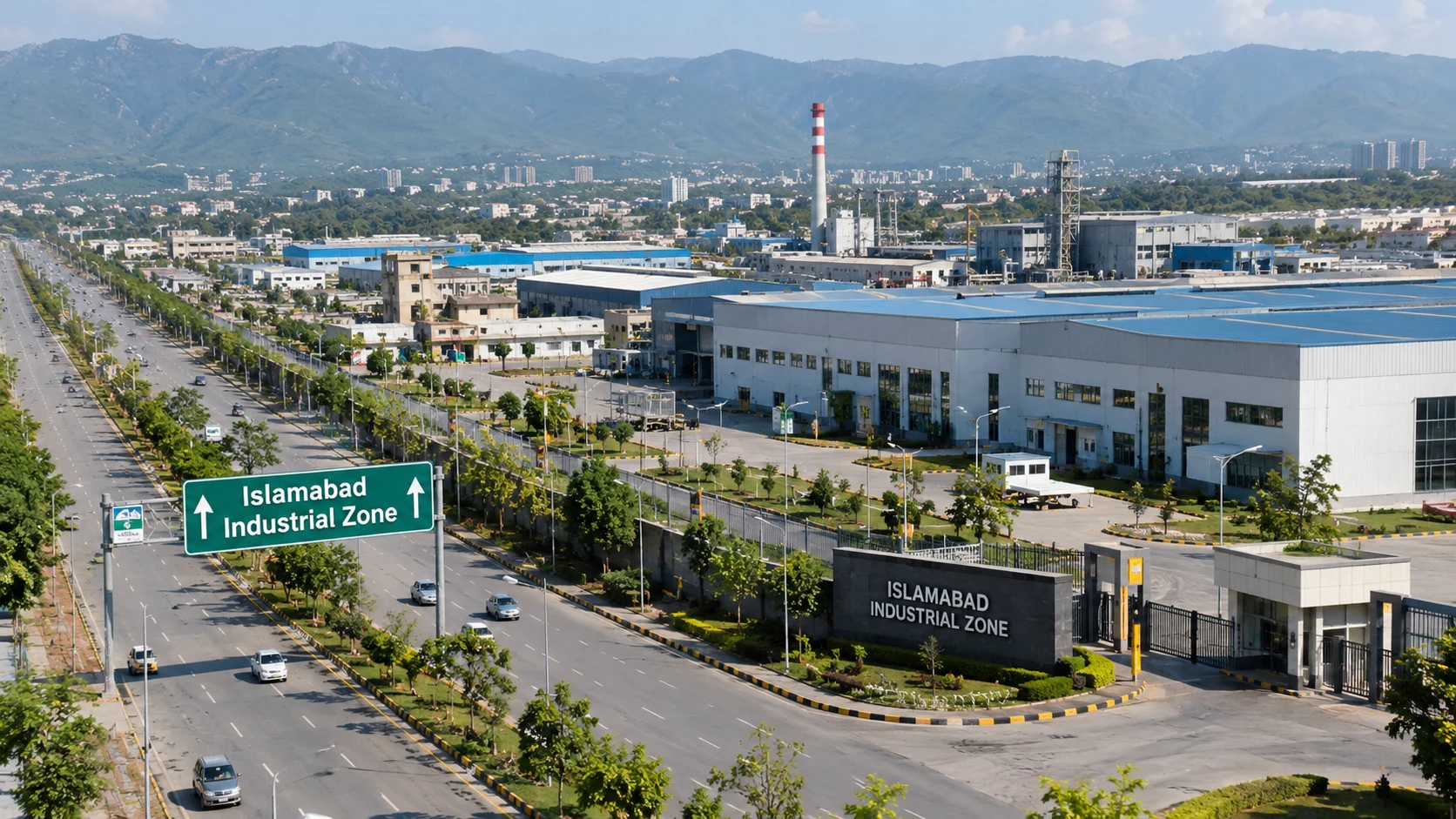
Also Read: Islamabad Seeks 1,000 Acres for Mega Industrial Zone to Attract Foreign Investors
If it covers one block, the gap between gross value and investment is about Rs10 billion on paper. Operating costs, financing, taxes, royalties, environmental obligations and the amount of gold miners actually recover would all shrink it. The reports give no recovery rate.
Punjab officials have announced large gold figures before. In 2024, ministers cited 2.8 million tolas valued at Rs600 billion to Rs800 billion along a 32-kilometre stretch of the Indus in Attock, Daily Pakistan reported. The 555,000 tolas in the three blocks equal about a fifth of that figure. The reports do not say whether the two sets of estimates overlap.
NESPAK signed a contract in February 2025 to prepare bidding documents for nine placer gold blocks along the Indus in Attock, Business Recorder reported. The new nine blocks span Attock, Mianwali and the Sutlej. The reports do not explain how the two sets relate.
On Nov. 12, Chief Minister Maryam Nawaz said gold deposits exist in all five of Punjab’s rivers, Daily Pakistan reported.
Why river gold is hard
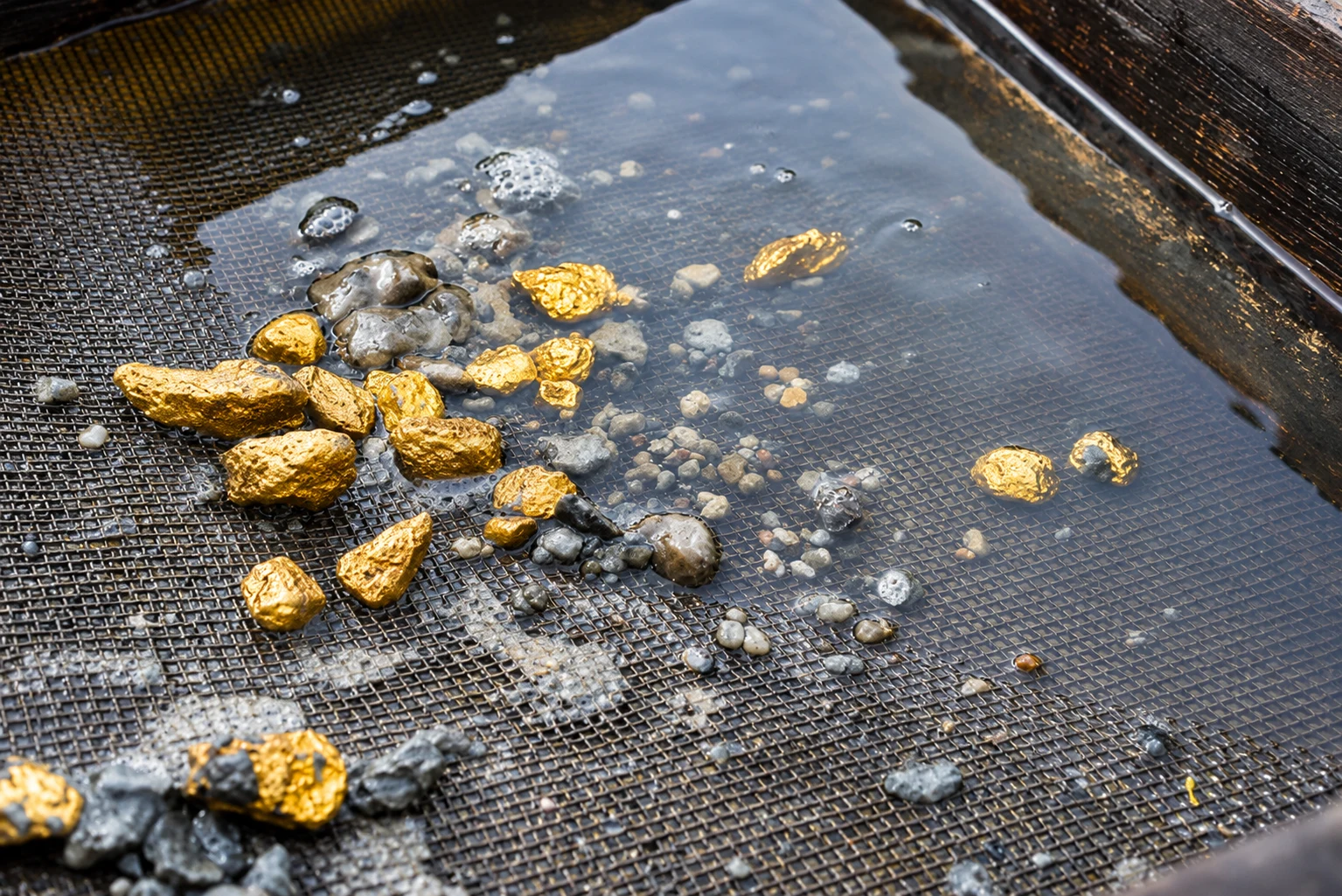
Placer gold sits in river sediment instead of rock. Miners must find where it concentrates, process large volumes of sediment and recover enough gold to cover costs. Seasonal flows and shifting sediment complicate each step.
Reports from Mianwali describe unauthorised gold extraction along the Indus, Daily Pakistan said. Khyber Pakhtunkhwa moved first on formal leasing. It leased four Indus blocks to private companies for ten years and collected Rs4 billion, ProPakistani reported in January 2025.
NESPAK has started surveys of the remaining blocks. After the final reports arrive, the government plans an international auction for exploration and extraction rights. It has given no date, reserve price or list of bidders.
For now, one block’s gross value tops Rs30 billion on paper. The auction will test whether investors trust that arithmetic enough to spend Rs20 billion on it.