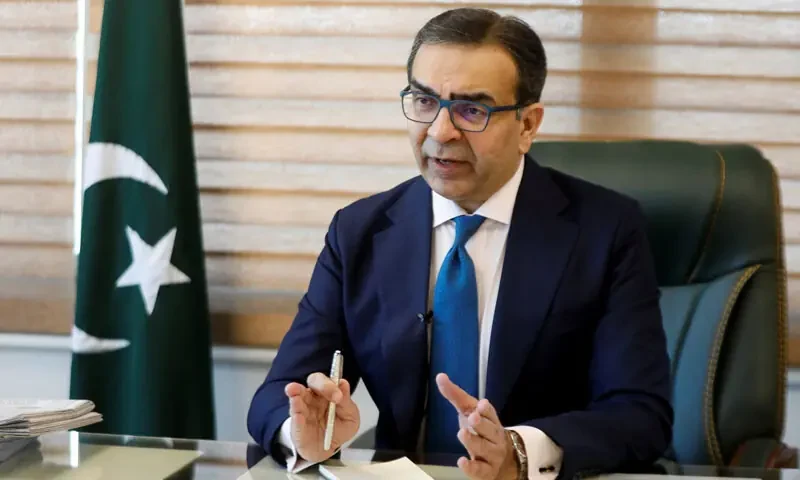

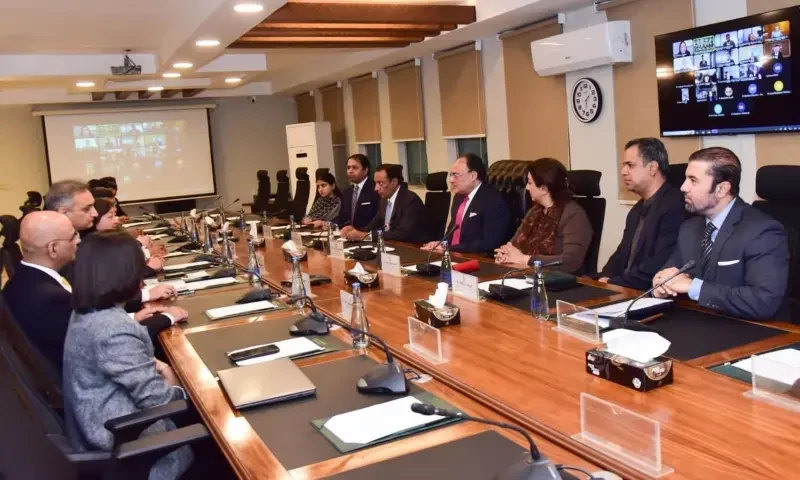
ISLAMABAD, Nov. 25 (Focus Pakistan) - International commercial lenders are cautiously dipping their toes back into Pakistan’s sovereign credit pool, but only with multilateral muscle standing behind them. The government on Tuesday tapped a consortium of three foreign banks, Commerzbank, JP Morgan, and Standard Chartered Bank, to arrange a $500 million trade finance facility backed by the Multilateral Investment Guarantee Agency (MIGA), the political risk insurance arm of the World Bank Group.
The deal, finalized during a virtual huddle between Finance Minister Muhammad Aurangzeb, senior leadership of the banking consortium, and MIGA officials, comes after a competitive bidding process that drew interest from nine international financial institutions. According to the Ministry of Finance, the trio made the cut on the back of offering the most competitive financing terms.
Structurally, the one-year facility comes with a rolling 1+1+1 renewal option and is earmarked to finance essential imports and trade-related expenditures, a critical lifeline for an economy constantly balancing external account pressures against import needs.
More notably, the transaction breaks new ground on two fronts. It marks Pakistan’s first-ever credit enhancement deal under MIGA’s Trade Finance programme, and it brings Commerzbank and JP Morgan into commercial lending to the Government of Pakistan for the very first time.
Also Read: World Bank Says Pakistan Could Triple Incomes by 2050 Through Sweeping Economic Reforms
“Following a competitive selection process and receipt of bids from nine international financial institutions, the Finance Division, Government of Pakistan, has selected the following banks as financing partners for the facility,” the ministry said in a statement.
For Islamabad, which has spent the better part of recent years scrambling to bridge external financing gaps and relying heavily on bilateral rollovers and multilateral bailouts, getting top-tier Western banks on board, even under a World Bank guarantee, is being pitched as a validation of its macroeconomic stabilization efforts.
“The strong response and participation from international financial institutions reflect growing confidence in Pakistan’s improving economic outlook and progress towards sustainable growth,” the ministry noted, thanking all nine participating institutions “for their time, effort and engagement throughout the process”.
The Finance Division framed the facility as a deliberate pivot towards “mobilising private international capital through multilateral risk-mitigation instruments, diversifying external financing sources and exploring innovative financing structures, while maintaining prudent debt management and fiscal responsibility”.
While the MIGA cover does the heavy lifting to de-risk the sovereign exposure for global lenders, the entry of new commercial players gives the government fresh breathing room to manage trade flows without draining central bank reserves. The ministry added that it would work closely with MIGA and the consortium to push the transaction toward timely execution and build long-term institutional ties.