
ISLAMABAD, Oct. 21 (Focus Pakistan) — The proposed Pakistan Auto Policy 2026-31 promises lower electric vehicle taxes and cheaper imports but threatens carmakers with penalties if they repeatedly miss export targets, potentially reshaping the country's automobile industry.
The Auto Policy 2026-31 sets a $6.01 billion export target for vehicles and parts, caps tariffs on built-up cars and assembly kits at 15pc by 2030-31, and charges battery electric vehicles a sales tax of just 1pc, according to the final draft that government sources shared.
The Prime Minister’s Office issued no statement. Law Minister Azam Nazeer Tarar and Adviser on Industries and Production Haroon Akhtar presented the draft to the premier. The federal cabinet takes it up next, then parliament. Earlier reports said the government would also share the policy with the IMF before the Economic Coordination Committee reviews it.
The new framework replaces the Auto Industry Development and Export Policy 2021-26, which expired on June 30.
Export, or else
The draft hands each vehicle manufacturer a mandatory export target. Hit it, and the government pays compensation worth 5pc of export value, plus another 10pc on any exports above the previous year’s level.
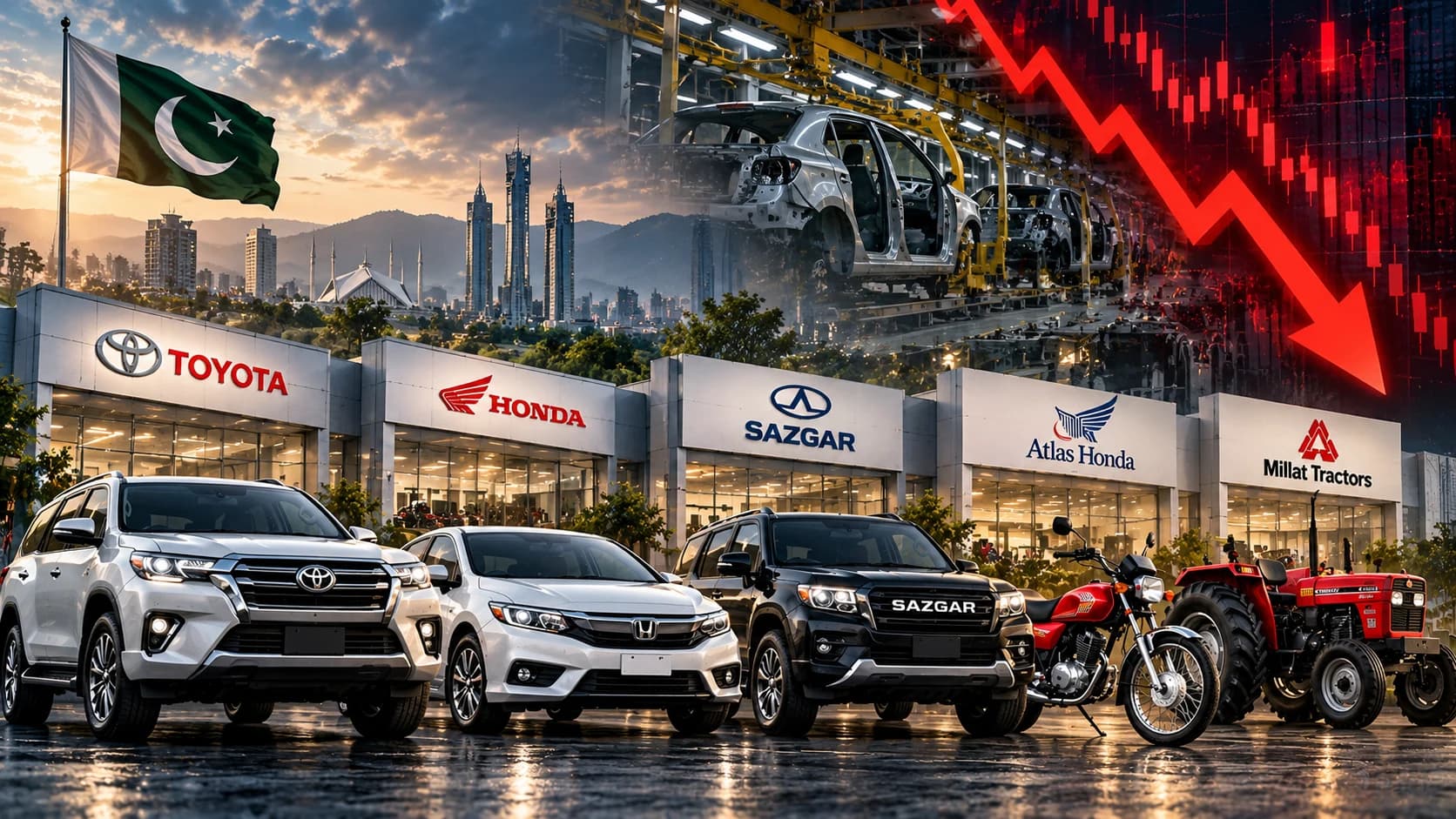
Also Read: Pakistan Auto Profits Face 35% Crash as Sazgar, Honda Earnings Come Under Pressure
Miss it, and penalties follow. Two straight years of failure could cost a company its manufacturing certificate.
Separate localisation targets carry their own threat: assemblers that fall short on locally made parts could lose their incentives.
Carmakers start from a low base. Locally assembled vehicle exports across three fiscal years came to 434 units shipped to 20 countries, worth Rs1.42 billion in total, according to figures presented in the Senate.
The export target also leans heavily on the final year. It starts at $256.6 million in 2026-27, climbs to $671.8 million, $1.11 billion and $1.17 billion, then jumps to $2.19 billion in 2030-31. That last year alone accounts for more than a third of the five-year total.
Cheap EVs, costlier engines
Electric buyers win big. Range-extended EVs would pay 6pc sales tax and plug-in hybrids 9pc. Only EVs priced above $75,000 would attract a 10pc federal excise duty, while cars under $15,000 get lower tariffs.
The draft also raises the EV financing limit to Rs10 million, from Rs3 million, and stretches repayment to five years from three.
Bigger engines foot the bill. A new Automotive Development Levy would hit every vehicle above 1,000cc and raise more than Rs232 billion over five years for export incentives and parts-maker upgrades. In September, reports described an environmental levy limited to vehicles of 2,001cc and above, estimated at Rs142.79 billion. The new threshold pulls in a far larger slice of the market.
The government also plans a Pakistan Automotive Testing Institute and international safety standards for local and imported vehicles.
Parts makers sound the alarm
The tariff cuts have angered the industry that supplies the assembly lines.
Abdul Rehman Aizaz, chairman of the Pakistan Association of Automotive Parts and Accessories Manufacturers (PAAPAM), said a 15pc tariff on parts would wipe out local suppliers first, then assemblers, as imported cars take over. He warned Pakistan would become “an import destination country with no local industrial base.”
PAAPAM had lobbied for a 40pc duty on localised parts, arguing that a 15pc ceiling could weaken domestic manufacturing. The association says the sector includes more than 1,200 suppliers and supports 1.83 million jobs.
That sets up the policy’s central contradiction. Islamabad wants parts makers to drive a $6 billion export push while it opens their home market to cheaper imports.
The cabinet and parliament now have to decide which of those bets to make.