
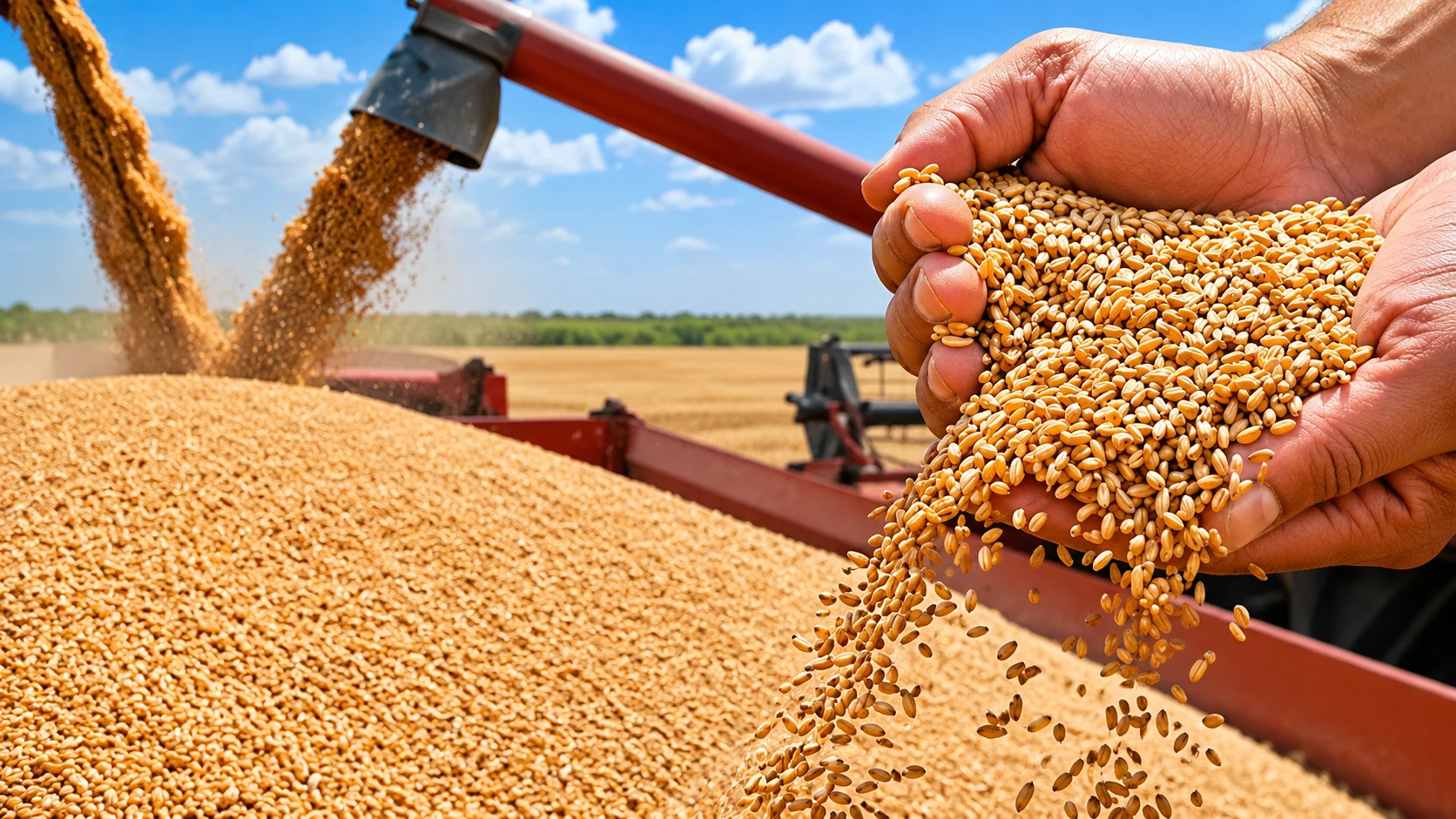
ISLAMABAD, Nov. 23 (Focus Pakistan) - A KP wheat import request has sent Pakistan shopping for wheat again, with the Trading Corporation of Pakistan inviting bids on Monday for up to 800,000 tonnes. The Trading Corporation of Pakistan (TCP) invited international bids for up to 800,000 tonnes of wheat, its third import tender this year. The tender record on the Public Procurement Regulatory Authority (PPRA) website states that the federal government approved the emergency import at the request of the KP government, to bridge the gap between local demand and supply.
The decision took shape on Saturday. A high-level meeting under Deputy Prime Minister Ishaq Dar reviewed national wheat stocks and supply arrangements and recommended the extra purchase. TCP put the tender out two days later. Officials framed the purchase as a way to keep national stocks sufficient, meet provincial needs and head off fresh pressure on flour prices.
Suppliers have until 2pm on November 30 to submit sealed bids. TCP will open technical bids at 2:30pm the same day and financial bids after it completes the technical evaluation. It wants 2026-crop wheat in bulk, on cost-and-freight terms to Karachi or Gwadar. The tender bars wheat from India and Israel.
Why KP?
The arithmetic explains why. In July, KP Information Minister Shafi Jan put the province's annual wheat requirement at 5.44 million tonnes and its 2026 crop at 1.63 million tonnes, a gap of 3.8 million tonnes. Supplies from other provinces, mainly Punjab, traditionally cover it. At the same news conference, he said the province faced no shortage of wheat or flour.
Also Read:Punjab’s Rs2 Trillion Economic Gamble Aims to Rescue Rotting Harvests
By mid-September, Food Department figures painted a tighter picture. They estimated local wheat production at 1.47 million tonnes, implying an annual deficit of nearly 3.96 million tonnes, against the 3.8-million-tonne gap officials cited in July. The department also reported 189,000 tonnes in government warehouses, roughly 13 days of provincial consumption, although private stocks and incoming supplies could stretch overall availability.
KP has felt the squeeze repeatedly in 2026. Through the spring and summer, millers in the province complained that trucks carrying wheat from Punjab faced unofficial restrictions on the way north. Flour prices climbed in step.
By late July, the KP government had started releasing 2,000 tonnes a day from its strategic reserves to flour mills and fixed the price of a 20kg flour bag at Rs2,520. Dr Mohammad Israr Khan, the chief minister's special assistant on food, urged Islamabad to remove the restrictions on inter-provincial wheat movement or let KP and its traders import wheat from neighbouring countries.
That same month, KP asked the federal government for 425,000 tonnes: 200,000 tonnes of imported wheat and 225,000 tonnes from local stocks.
A September U-turn
Then came a reversal. When TCP floated a 750,000-tonne tender in September, the government earmarked 200,000 tonnes for KP. Within days, the province halved its demand to 100,000 tonnes. Punjab cut its own requirement at the same time.
Two months later, KP is back at the table, and Islamabad is buying again. Public statements so far do not explain what changed in between.
The import pipeline already carries some of the load. TCP has contracted 550,000 tonnes through earlier tenders, with roughly 200,000 tonnes already in port or close to it. Its first tender, for 365,000 tonnes, closed at an average of $348.83 a tonne.
The new tender leaves several questions open. Public details so far do not show how much of the 800,000 tonnes will go to KP, how the province will pay for its share, or when the first cargo might reach Peshawar's mills. Wheat arriving at Karachi or Gwadar must still move hundreds of kilometres inland to reach KP's flour mills, adding transport costs and logistical headaches.
For families in Peshawar, Mardan and Swat, the real test begins after bidding closes on November 30. Imported wheat may ease KP's supply gap, but transport costs, domestic availability and provincial distribution decisions will determine whether consumers see relief at flour shops.