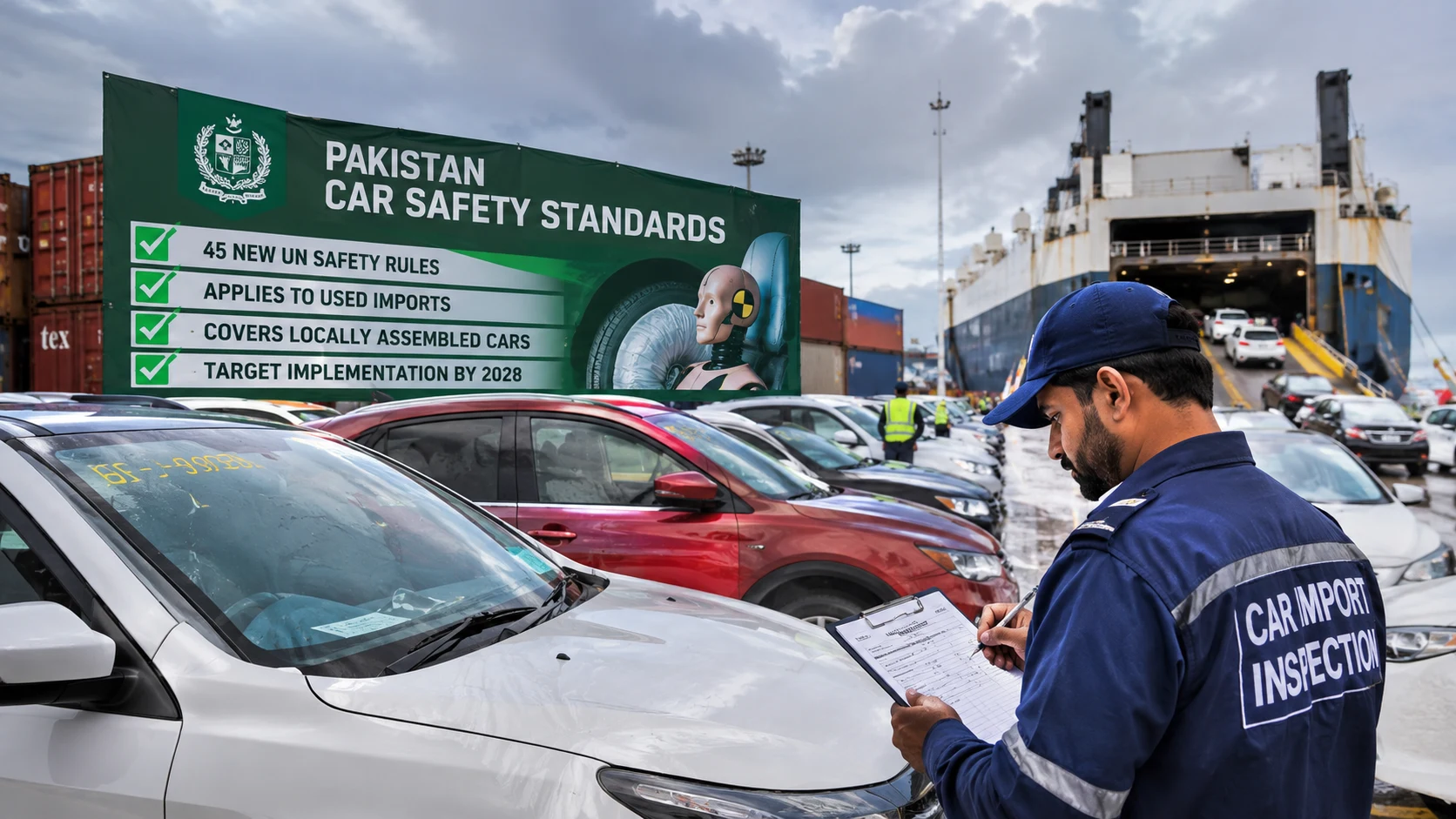

KARACHI, Nov 23 (Focus Pakistan) - Pakistan Customs has given electric-vehicle tariff status to seven petrol-burning Japanese imports, a decision that could ease imported car prices, five days after the tax authority rejected a challenge by Toyota's local assembler over the same classification principle.
The Collectorate of Customs Appraisement (East) in Karachi issued the clarification on Nov. 21 in letter No. C-76/KAPE/DC-PCT/2026. It covers the Nissan Kicks, X-Trail, Note/Aura and Serena, the Daihatsu Rocky, the Toyota Raize and the Subaru Rex.
Customs officials placed qualifying versions of the cars under Pakistan Customs Tariff (PCT) code 8703.8090, the heading for vehicles that electric motors alone propel.
Importers have started clearing the affected vehicles after classification disputes held up shipments at Pakistani ports. Neither Customs nor dealers have announced any price cuts.
WHAT IT MEANS FOR BUYERS
The ruling settles the tariff heading. It does not decide what buyers will pay.
The Federal Board of Revenue's (FBR) classification committee has said its mandate covers only the correct tariff heading, and that eligibility for tax exemptions or incentives requires a separate examination.
Under the 2026-27 federal budget, imported electric four-wheelers valued at up to $50,000 carry a concessionary 25% customs duty until June 30, 2027. Importers have yet to show whether the seven series will qualify for that rate or other EV concessions.
Customs value, duties, taxes, freight and dealer margins will shape the final price. No importer has published revised landed costs.
HOW THE CARS WORK
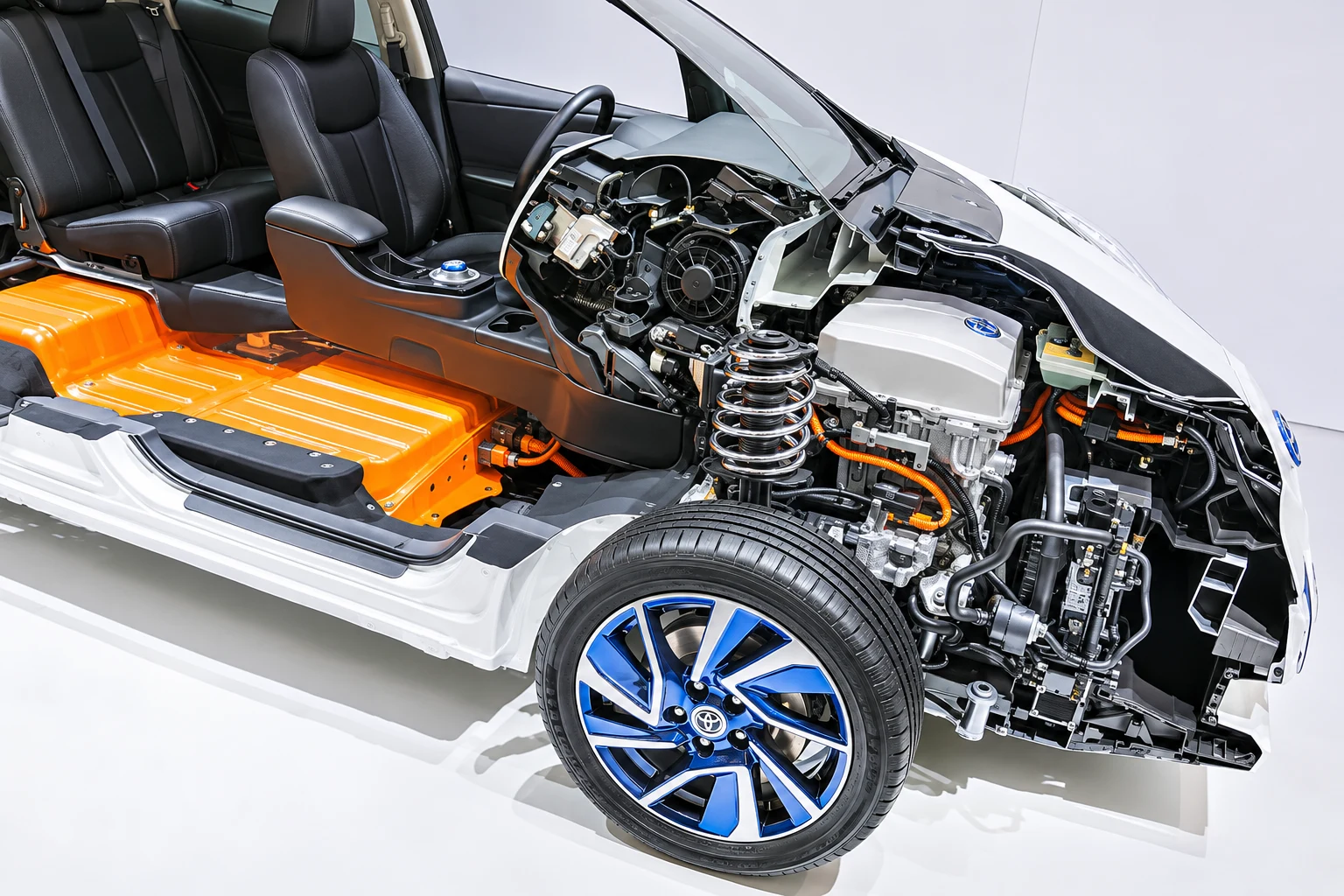
In series hybrids such as Nissan's e-Power models, the petrol engine runs a generator, and electric motors supply all the force that turns the wheels. The engine has no mechanical link to the drivetrain.
Customs treated that design as decisive for tariff purposes, even though the cars burn fuel and emit exhaust.
Also Read: Pakistan Slaps Extra Customs Duty on Truck Tyres, Motorcycle Parts
The decision does not cover every car sold under the seven names. A conventional petrol Raize and a series-hybrid Raize use different propulsion systems, and importers cannot assume the same customs treatment for both.
TOYOTA CHALLENGE FAILS
FBR Member (Customs Policy) Ashhad Jawwad heard the challenge by Indus Motor Company, which assembles Toyota vehicles in Pakistan, on Nov. 5 and dismissed it on Nov. 16.
Indus had contested an earlier customs ruling that placed two Chinese range-extended electric vehicles, the Deepal S05 and the Forthing Friday, under the electric-propulsion heading.
At its annual general meeting in September, Indus management raised concerns that some competitors were mis-declaring vehicles as range-extended EVs to benefit from lower sales tax. The company said regulators, including the FBR, had the matter under review.
Sazgar Engineering, representatives of BYD and the Pakistan Automotive Manufacturers Association (PAMA) also questioned the classification. PAMA argued that code 8703.8090 applies to pure electric vehicles and that hybrids belong under 8703.6023. The assemblers said cars that consume fuel and produce emissions should not share a tariff line with battery-only EVs.
Importers argued that the equipment driving the wheels, not the source of electricity, should decide the code. The Customs Classification Committee accepted that view.
FBR sought guidance through Pakistan's representation at the World Customs Organization (WCO). The committee's record cites international rulings on the Nissan Kicks e-Power and X-Trail e-Power that placed both models under the electric-motor heading.
POLICY AND 2028 CHANGES
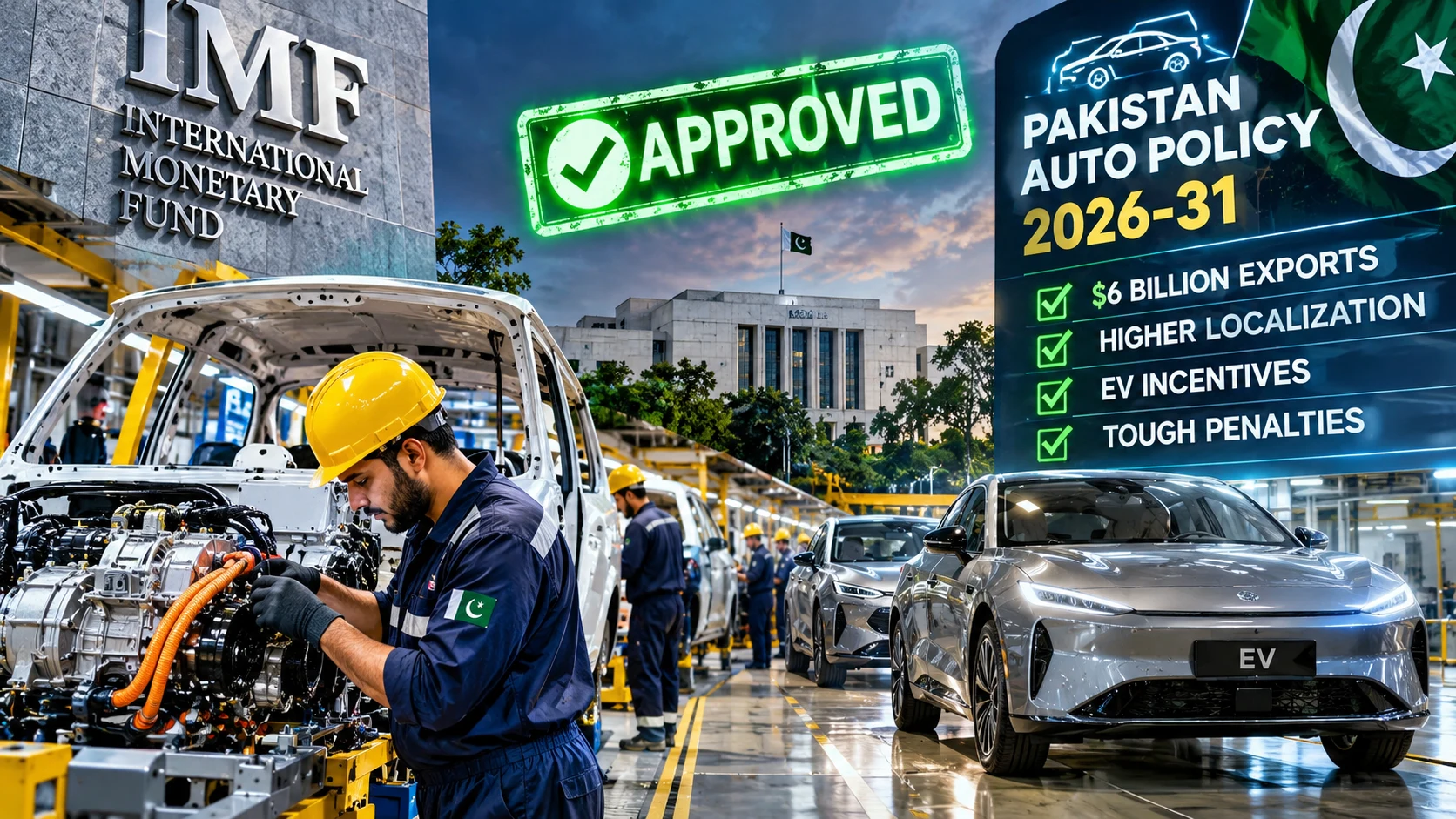
Prime Minister Shehbaz Sharif has approved the Autos and Auto Parts Manufacturing Policy 2026-31, which will shape future tariffs for hybrid, range-extended and battery electric vehicles. The government plans to seek federal cabinet approval and then table a money bill in Parliament.
The WCO's Harmonized System amendments, due to take effect on Jan. 1, 2028, create a dedicated subheading, 8703.81, for vehicles that electric motors drive and onboard combustion engines charge. The change will separate such cars from fully electric models.
Pakistan Customs cited the coming change in its earlier proceedings. The government has not said what taxes it will apply to the new category.