Auto financing extends its reported growth streak to 23 months, but higher interest rates and import costs threaten the recovery.
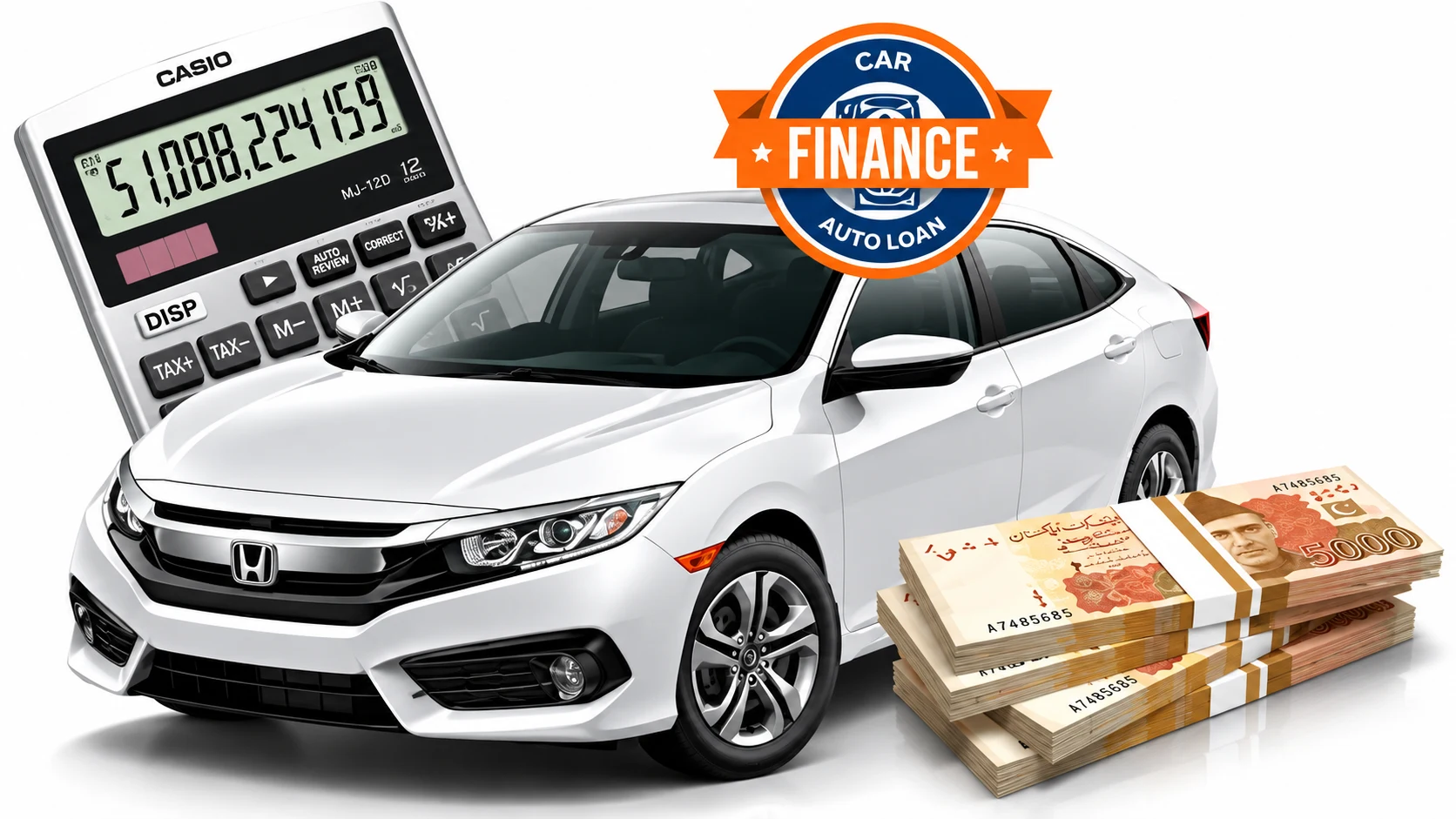
KARACHI, Nov. 20 (Focus Pakistan) – Pakistan auto financing rose for the 23rd consecutive month to Rs416.5 billion in October from Rs407 billion in September, State Bank of Pakistan (SBP)data showed, as buyers kept borrowing to get into new cars, SUVs and pickups despite costlier credit.
The figure shows total outstanding auto loans on the books of banks and not new loans given in October, so the Rs9.5 billion rise during the month is net of repayments. It is 2.3 percent higher month-on-month and around 32 percent higher than Rs315.4 billion a year earlier.
Auto loans had crossed their earlier record of Rs368 billion from June 2022 in May this year when they reached Rs369.12 billion, even though the SBP had raised the policy rate by 100 basis points to 11.5 percent in April, and the portfolio has kept climbing since then.
Auto Sales Jump 62% as Buyers Return to Showrooms
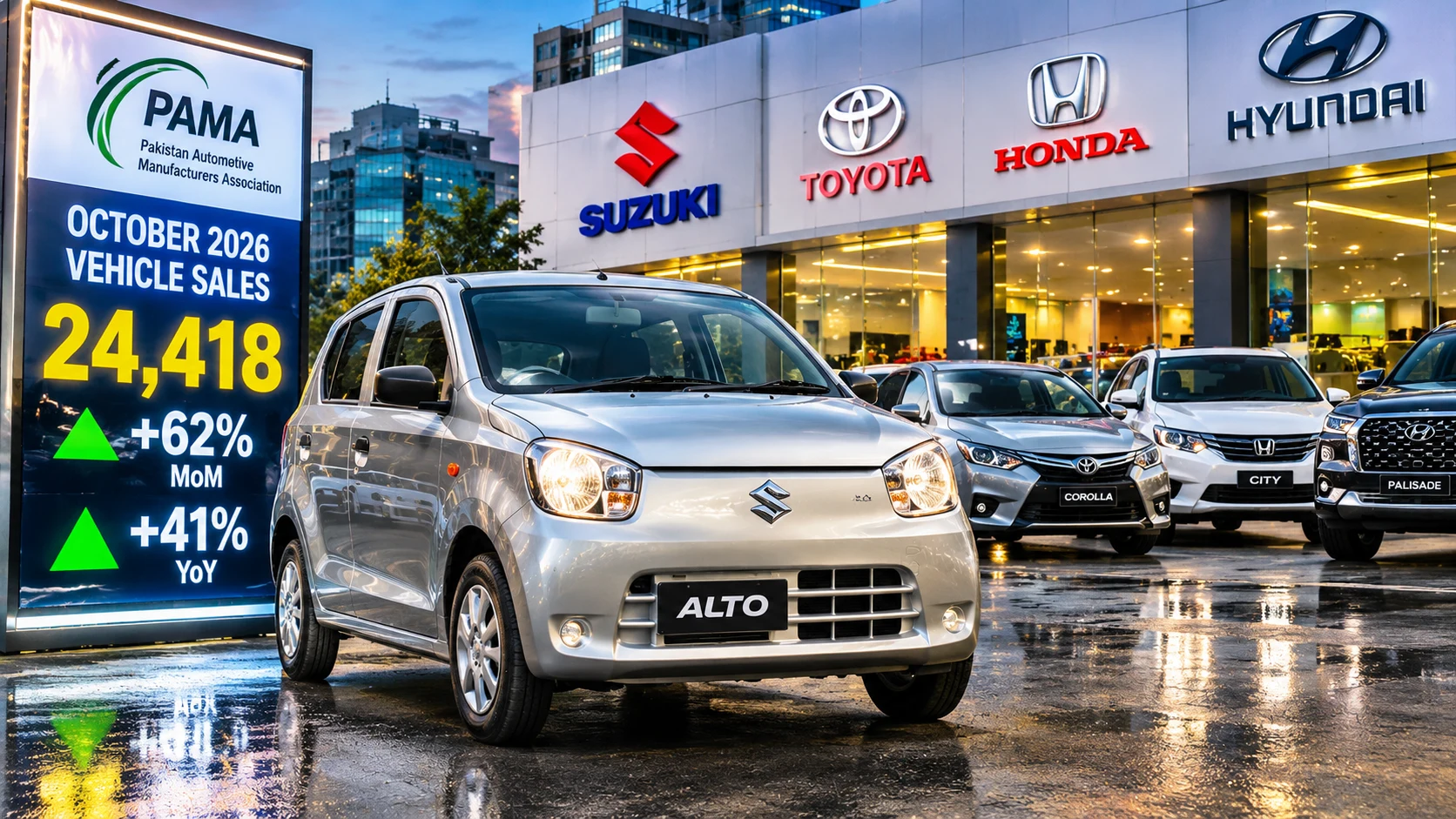
Demand on the showroom floor tells the same story. Combined sales of cars, SUVs, pickups and vans jumped to 24,418 units in October, up 41 percent year-on-year and 62 percent over September, which took cumulative sales for the first four months of FY27 to 74,898 units, a rise of 26 percent from the same period last year.
Also Read: Suzuki Alto Captures Nearly Half of Pakistan’s October Vehicle Sales
The SBP raised its policy rate by 50 basis points to 12 percent from 11.5 percent on October 26 with effect from October 27, its first increase since April, as the Middle East conflict, high energy prices and wheat supply problems worsened the inflation outlook. Nine of the ten members of the Monetary Policy Committee voted for the hike.
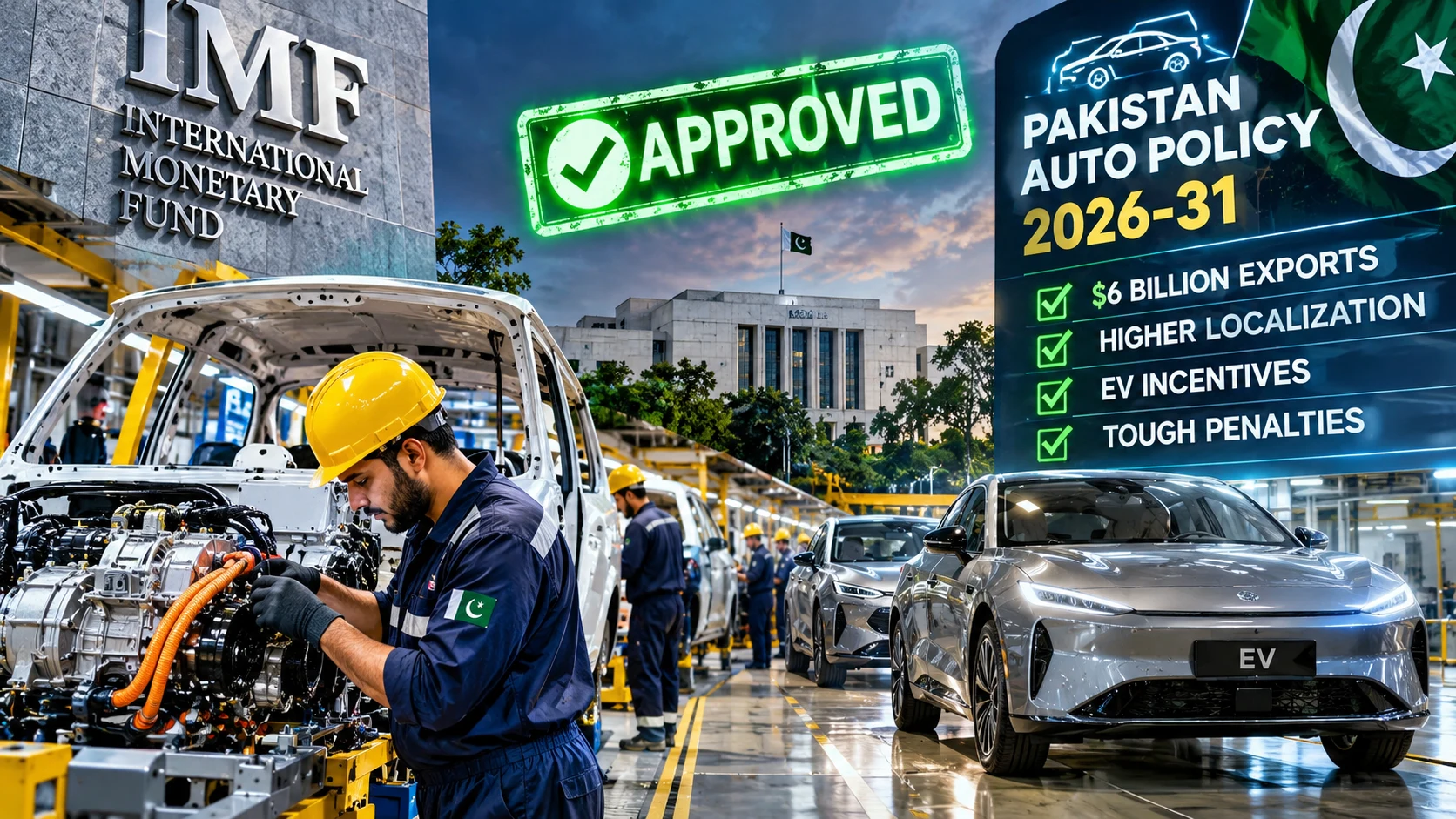
A banker said the impact of the rate increase on car loans will show up in the November data, along with the effect of measures under the new auto policy.
Auto parts maker and exporter Mashood Ali Khan said that the SBP had brought the policy rate down sharply from its earlier peak of 22 percent, which gave some relief to businesses and consumers, but the pace of economic recovery now seems to be slowing as KIBOR rates have started moving up.
About the limited availability of attractive vehicle financing for individual consumers, he said that some private banks are reportedly offering financing facilities to corporate customers covering up to 70 percent of a vehicle’s value with repayment tenures of up to five years.
According to Khan, demand could change shape if the government approves the proposed changes in the auto policy. These include raising financing limit to as much as Rs10 million for eligible electric and hybrid vehicles and extending repayment period to five years.
Also Read:Cheaper EVs, Costlier Engines: What Pakistan’s New Auto Policy Means
SBP had capped total auto financing for one person from all banks at Rs3 million in 2021 when it also raised the minimum down payment to 30 percent and cut the maximum tenure to five years, but it kept locally made cars up to 1,000cc and locally manufactured electric vehicles outside these restrictions under the earlier rules.
Chinese Vehicles Raise Questions Over Import Bill
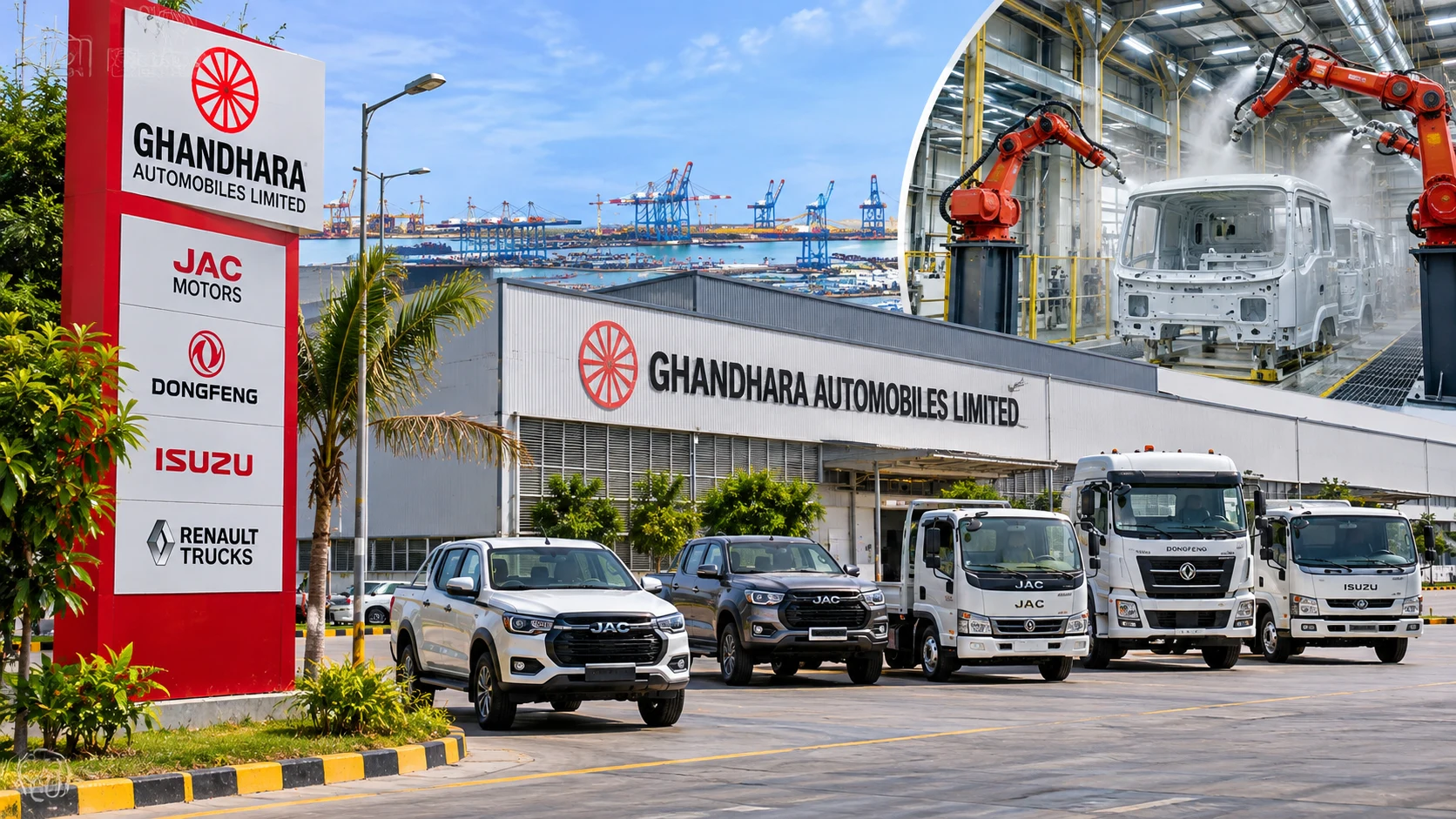
Khan said the auto market is expanding due to growing presence of Chinese automotive brands alongside increasing interest in hybrid and electric vehicles.
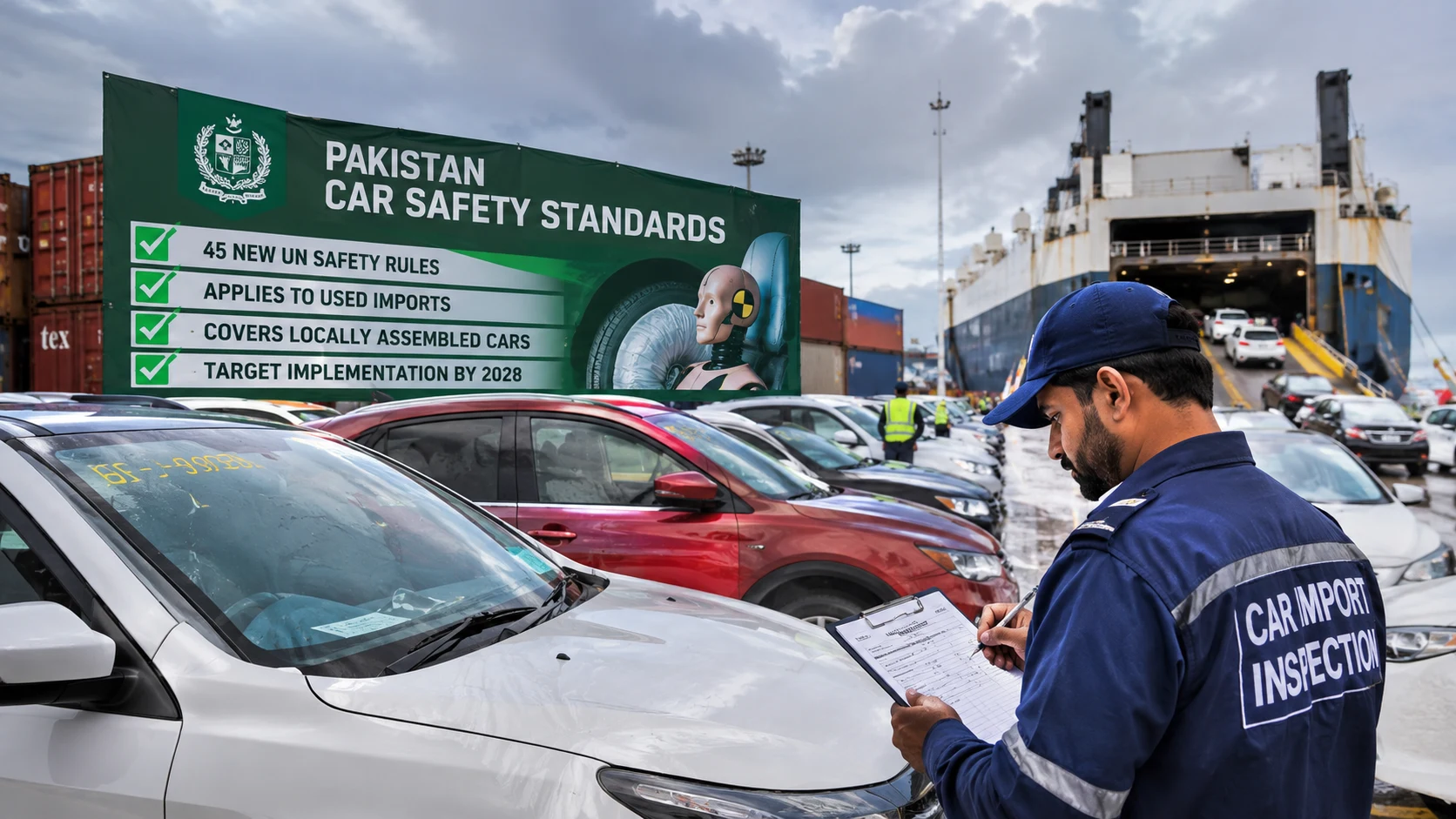
But he warned that if expansion of vehicle financing primarily supports imported Completely Built Units (CBUs), which come in as finished cars, and higher imports of semi-knocked-down (SKD) or completely knocked-down (CKD) kits which local plants assemble, then Pakistan could face an even greater foreign exchange burden. This risk grows if the companies make no meaningful local manufacturing commitments, he said.
November’s financing figures should offer the first clearer indication of how borrowers respond to higher interest rates. The SBP’s next scheduled monetary policy review on December 14 could further influence the outlook for car buyers and lenders.