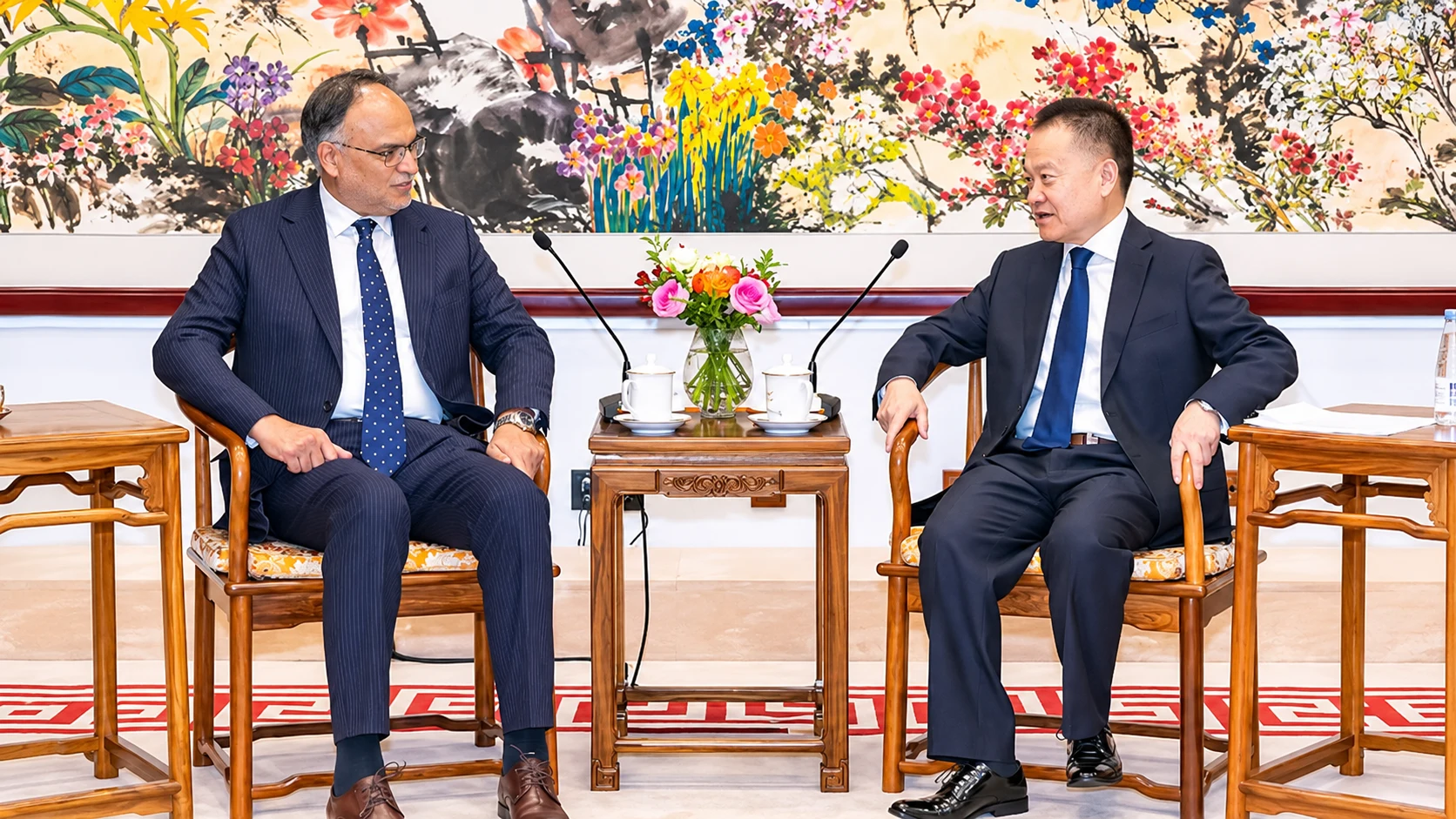

ISLAMABAD, Nov 27 (Focus Pakistan) - Pakistan on Friday sought the International Finance Corporation's (IFC) support to expand affordable housing finance and privatise state-owned power distribution companies (DISCOs), as the lender's regional head made his first visit to the country in his new role.
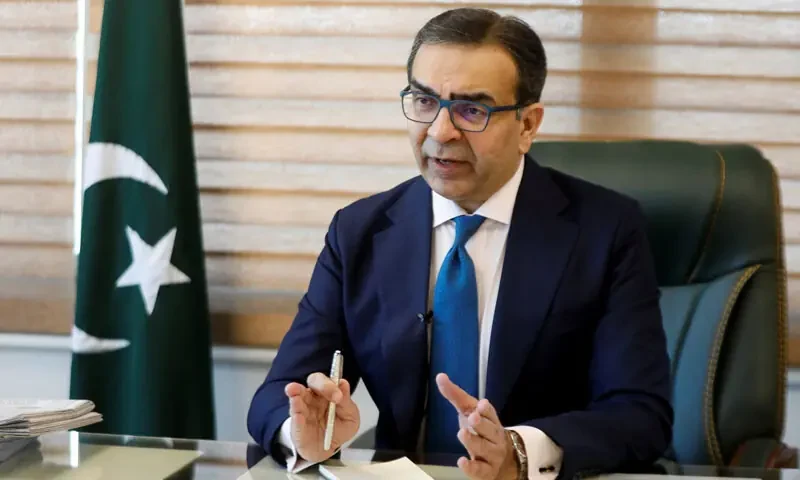
Economic Affairs Minister Ahad Khan Cheema received Imad N. Fakhoury, IFC's regional vice president for the Middle East and Central Asia, at the Prime Minister's House in Islamabad.
Fakhoury is no stranger to government work. He served in Jordan as minister of planning and international cooperation and as chief of staff to King Abdullah II before he joined IFC in 2019, where he ran its global infrastructure finance, PPP and guarantees business and later headed the South Asia division out of New Delhi.
IFC's Pakistan portfolio nears $3 billion
Cheema told him the government valued the sharp growth in IFC's investment portfolio in Pakistan. Last month in Bangkok, the minister said that portfolio had grown fourfold since 2022 and stood near $3 billion this year. Under the World Bank Group's 10-year Country Partnership Framework, IFC aims to mobilise up to $2 billion a year for Pakistan.
On Friday, Cheema said Islamabad wanted to build on that momentum and attract more private investment for its development priorities.
He started with housing. The minister wants IFC to help build up long-term housing finance, expand access to affordable housing and arrange funding for developers.
Also Read: Apna Ghar: PM Targets Rs1 Trillion, Orders 'Light Speed' Approvals
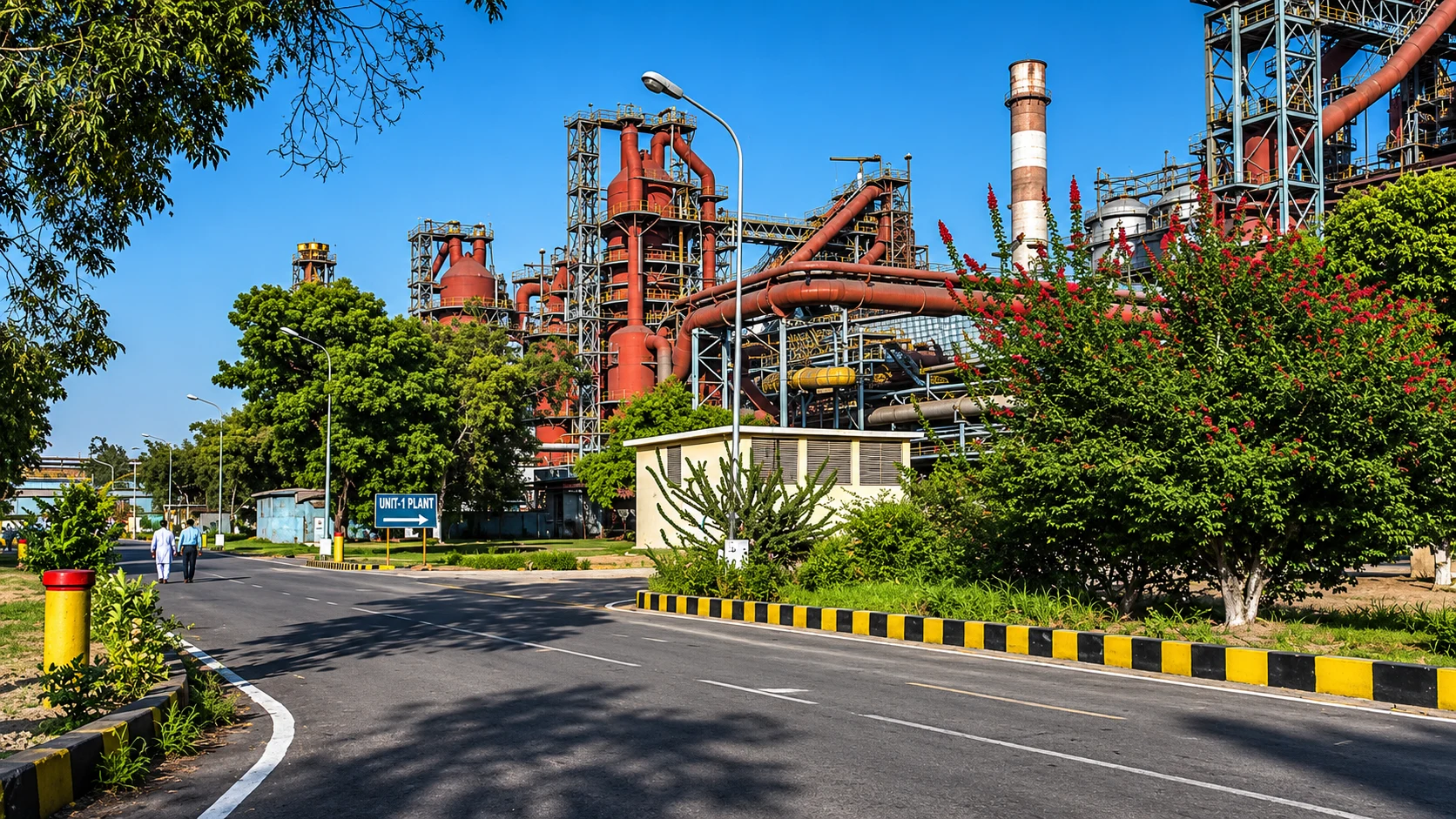
The DISCOs came next. The two sides discussed IFC's support for the privatisation of the power distribution companies, covering both the sale process and the arrangements after the new owners take over.
Cheema also gave credit to IFC for its work with the Public-Private Partnership Authority (P3A), where the aim is a federal PPP pipeline that lenders will actually finance, and a stronger regulatory framework for such deals.
Farm credit and small business lending
Agricultural financing also featured prominently. Officials spoke about modern storage, financing along the value chain and electronic warehouse receipts, the system under which a farmer keeps his crop in a registered warehouse and borrows against the receipt. The focus, according to the ministry, stayed on better access to finance for farmers.
For micro, small and medium businesses, Cheema asked for more lending, and stressed that it must deliver measurable benefits for businesses and help create jobs.
IFC has already undertaken similar financing initiatives in Pakistan this year. In February it set up a risk-sharing deal with Habib Metropolitan Bank under which it takes up to half of the principal losses on SME loans worth up to $80 million, including loans to farm-based firms. In September, its board approved a facility linked to a loan portfolio of up to $100 million at Pakistan Microfinance Investment Company, which provides wholesale financing to microfinance institutions, with IFC's own exposure capped at $50 million.
Fakhoury gave the minister a briefing on current and planned IFC work in housing finance, PPPs, DISCOs, agriculture and MSME lending. He said IFC remained committed to Pakistan's priorities and would keep working with the government departments concerned.
Cheema in turn said the government would continue to support and facilitate IFC, and would keep working to improve the environment for private investment.
Friday's meeting was the latest in a series of high-level meetings. Cheema met IFC regional director Simon Andrews in Islamabad in September and IFC managing director Makhtar Diop on the sidelines of the annual meetings in Bangkok in October, and housing, PPPs and small business credit came up each time.
Neither side announced a new financing commitment or implementation timeline after the meeting.