
Proposed Saudi-backed energy network could connect Central Asian gas fields to Gwadar and India's border, but financing and political approvals remain uncertain.
ISLAMABAD, Nov. 18 (Focus Pakistan) - A proposed $30 billion Saudi gas pipeline network has a signed agreement behind it. What it still lacks is announced financing.
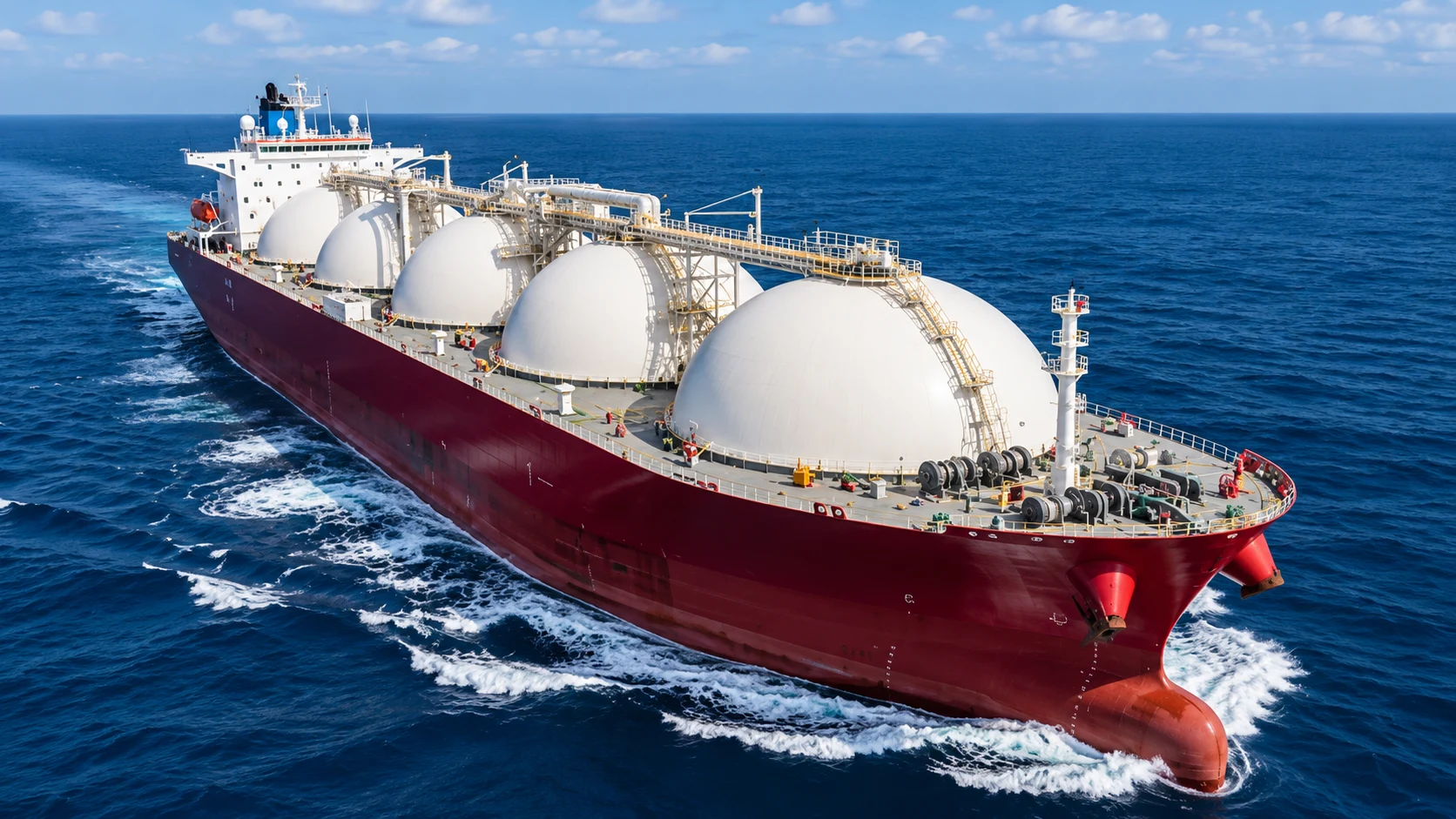
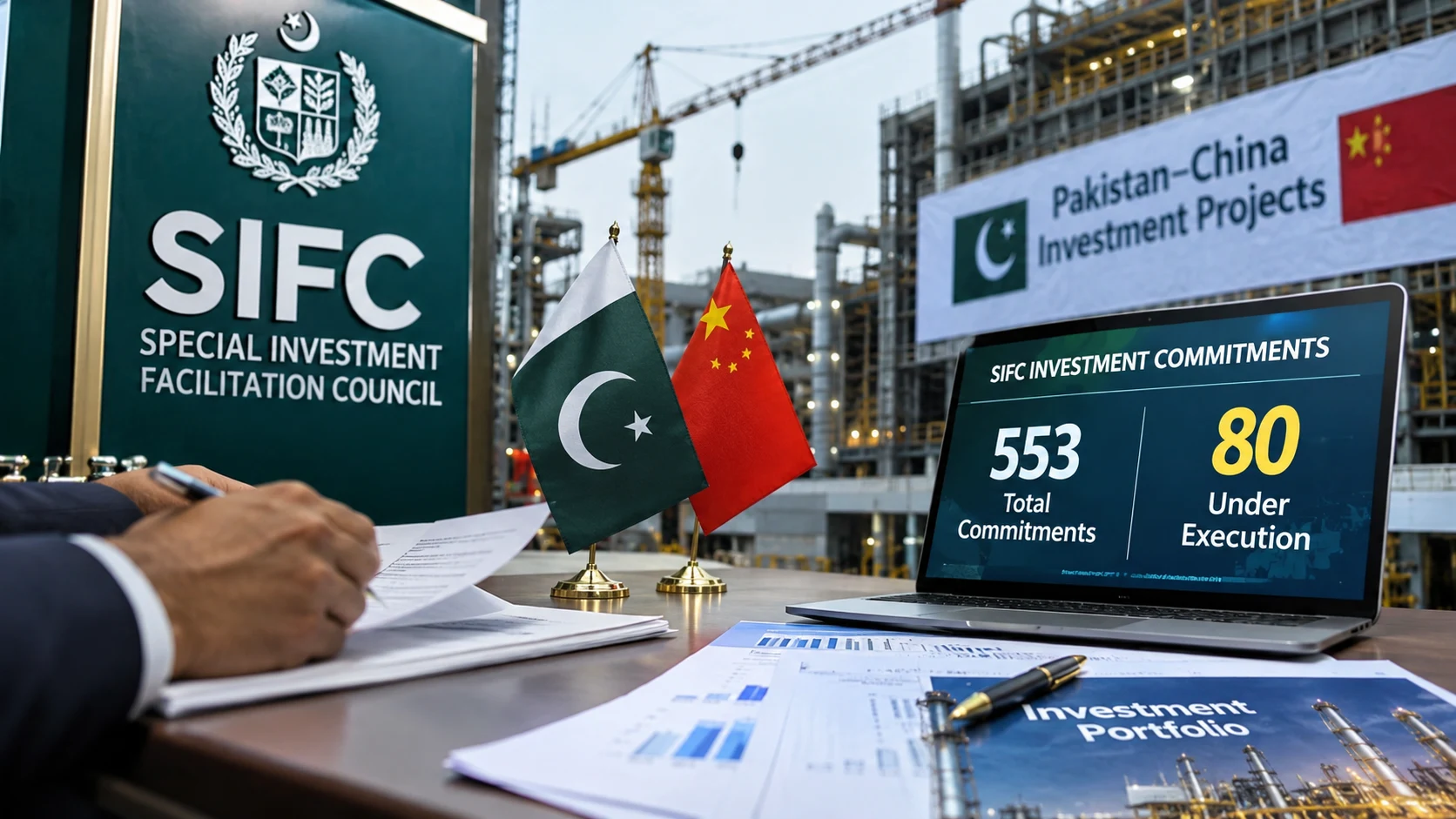
Delta Energy Saudi and Pakistan’s state-owned Inter State Gas Systems (ISGS) signed a memorandum of understanding on Tuesday. The two sides will study pipelines, liquefied natural gas (LNG) terminals and storage. After a ceremony under the Special Investment Facilitation Council, Pakistan’s Petroleum Division put the project’s estimated value at $25 billion to $30 billion. The agreement opens the door to feasibility studies, not construction.
Two routes sit on the table. One enters Pakistan from the west and heads for Gwadar, the port on the Arabian Sea. The other starts at Chaman, on the Afghan border, and crosses the country toward Fazilka, near India.
The Petroleum Division identifies Turkmenistan as the supply source. Delta identifies Afghan gas, including the Kashk concession, and says its programme runs separately from the long-delayed TAPI pipeline and does not depend on Turkmen supply. Neither announcement explains how the two descriptions fit together.
Delta already works next door
Islamabad isn’t Delta’s first stop. In September the company signed agreements to explore Afghan oil and gas, including a feasibility study for a 700-kilometre pipeline from near Herat to Spin Boldak on the Pakistani border. Delta calls that proposal the CentGas–Corridor of Prosperity and estimates it at about $10 billion over a decade. Those figures are Delta’s own and preliminary. Nothing in the public statements says whether the Pakistan plan would draw gas from that line.
A pipeline lives or dies on contracts. Lenders typically seek long-term gas sales or transportation agreements that set committed volumes, pricing mechanisms and dependable revenue before financing multibillion-dollar pipelines. The public record shows no such agreements. It also shows no construction contract, final investment decision or binding financing.
Also Read: After Hormuz Shock, US Consortium Pitches $4.4bn Pakistan LNG Storage
Studies, environmental reviews and regulatory approvals come first. Then lenders will ask about tariffs and returns, and they will price in the politics.
The proposal could bring Pakistan transit revenues and industrial development, but only if gas actually flows through countries with complicated political and security relationships. Afghanistan would need reliable production, export arrangements and secure transit. India would need to sign formal agreements before the Fazilka leg advances, and the public statements so far include no response from New Delhi. No government has announced a final cross-border construction deal.
Saudi money has promised Gwadar before
A $10 billion Saudi refinery announced for the port in 2019 shows how plans can change. A Pakistani official later said Aramco’s feasibility report found Gwadar unviable and pointed to Hub in Balochistan or a site near Karachi instead. Pakistani state-owned companies still signed a later memorandum for a Gwadar refinery, and the project has not materialized, mainly because of feasibility issues. No formal relocation has taken place, only a project that has not moved.
For the gas plan, planners picture processing plants, storage and an export terminal at Gwadar. The companies have given no job numbers, no provincial revenue projections and no construction schedule.
Pakistan buys gas today. If the money and approvals arrive, it could add transit, processing and storage to that role. If they don’t, the plan joins a long shelf of regional pipelines that outran their construction. TAPI still waits.
Until Delta and ISGS announce bankable contracts, confirmed gas supplies and committed financing, $30 billion is the upper end of the publicly stated estimate, not a funded project.