
ISLAMABAD, Nov 27 (Focus Pakistan) - Some 9,000 medical and nursing students will start knocking on doors across Islamabad in January with finger-prick kits for hepatitis C screening in Islamabad that aims to test 1.7 million residents aged 12 and above, in what officials call a bid to make the capital Pakistan's first city free of the virus.
The Pakistan Medical and Dental Council (PMDC) disclosed the plan on Thursday at a briefing for heads of universities and medical colleges, where PMDC President Dr Rizwan Taj and Dr Saeed Akhtar of the prime minister's hepatitis C elimination task force laid out how 4,500 two-person teams, backed by about 100 government staff, would cover the Islamabad Capital Territory.
The teams will go to homes, schools, universities, seminaries, offices and markets, and they will not stop at the city's sectors: villages and rural settlements hold roughly 54 percent of Islamabad's people, according to the council.
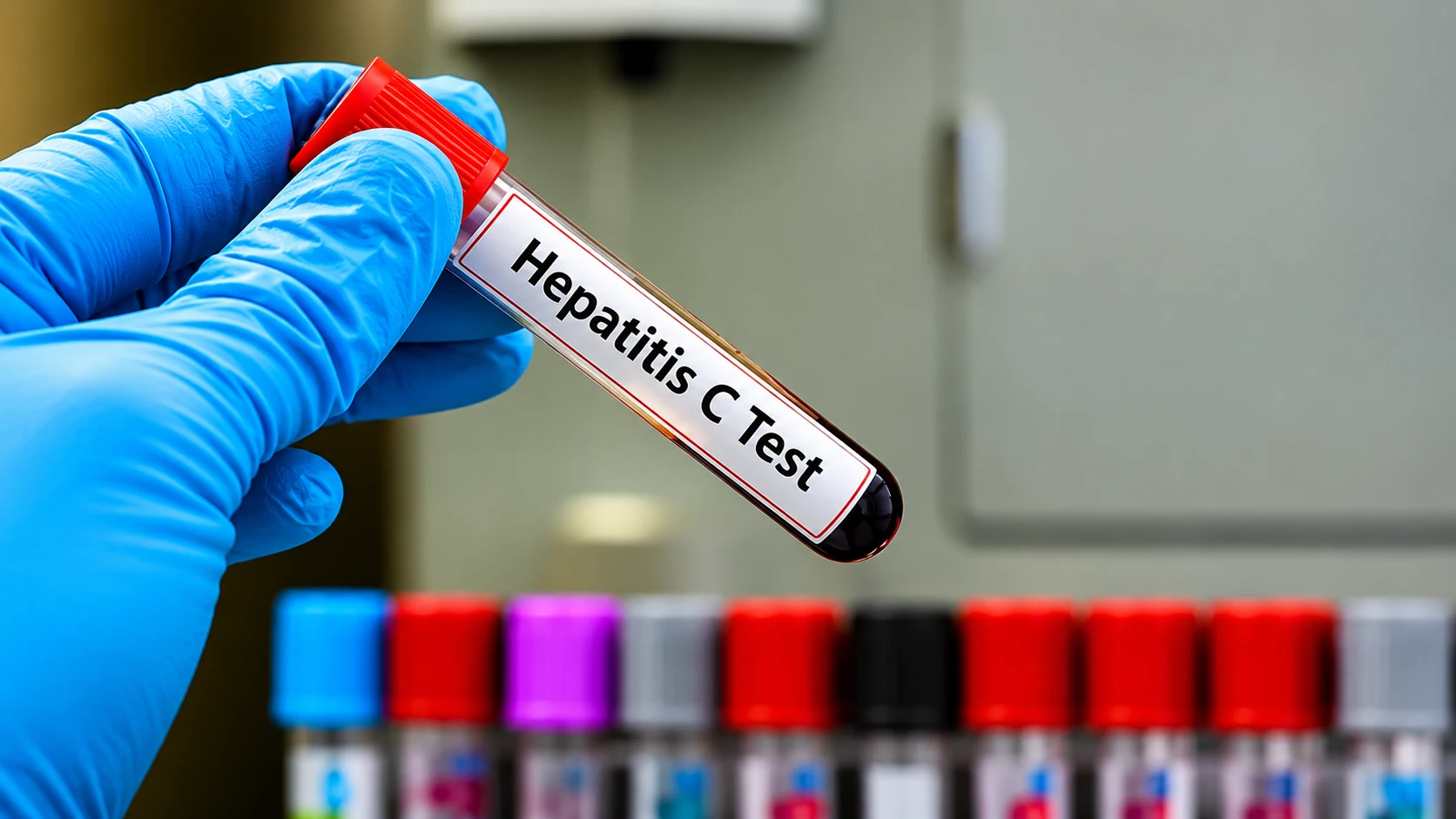
In each team one volunteer takes a drop of blood from the fingertip, the same way a diabetic checks sugar, and the second person enters the details into a NADRA-designed digital system.
Also Read: Maryam Nawaz Vows Cancer Hospitals Across Punjab’s Every Division
A reactive result sends the person to a designated hospital or clinic for a PCR test, which tells doctors whether the virus is still active, and for blood work that shows how much harm it has done to the liver.
Free treatment worth up to Rs68,000
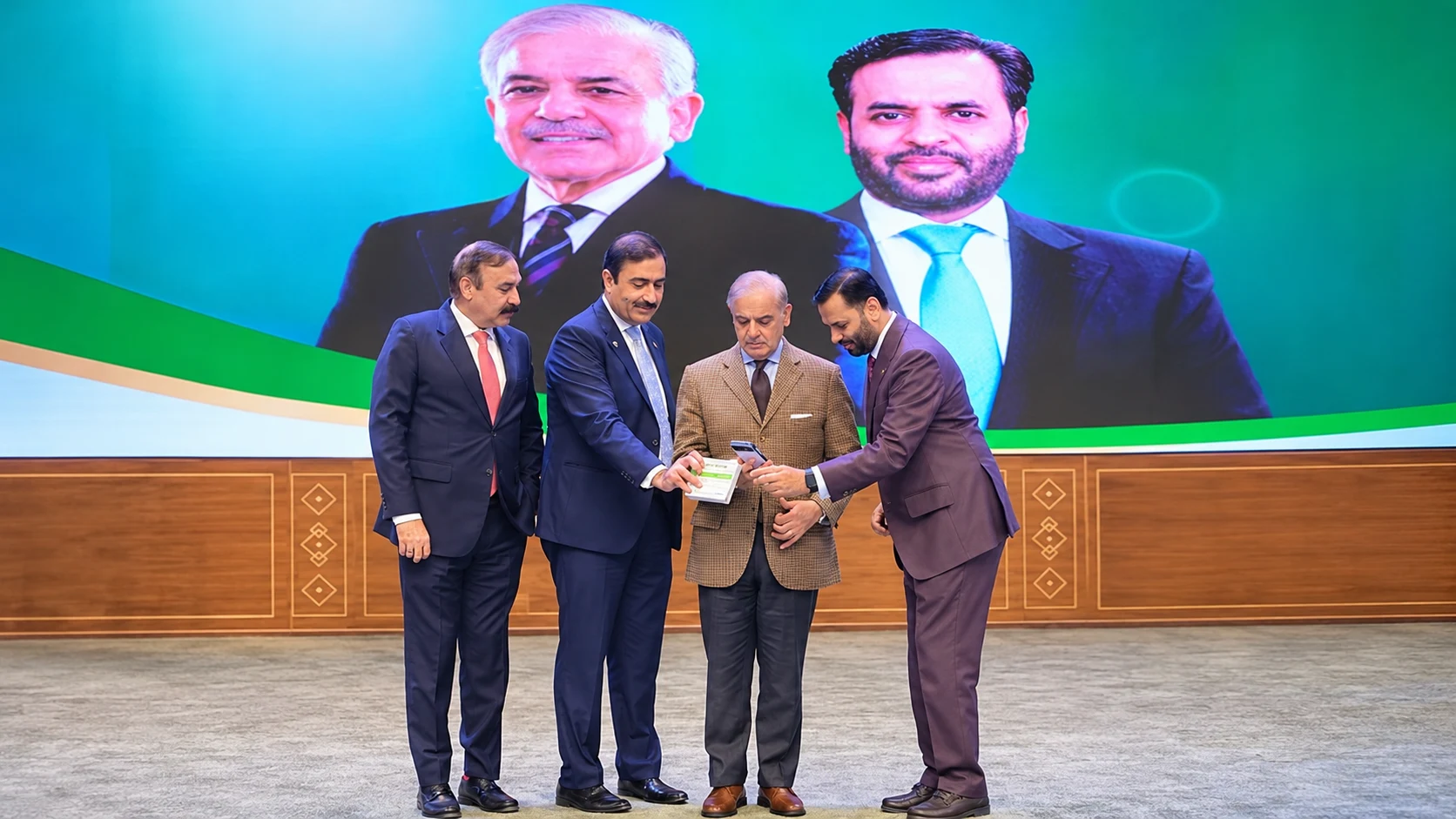
Thursday's plan falls under the Prime Minister's National Programme for the Elimination of Hepatitis C, which Health Minister Mustafa Kamal and the WHO launched in Islamabad on May 13 with Rs67 billion behind it and a first-phase goal of reaching 1.6 million people in the capital inside six months, before moving on to more than 164 million Pakistanis.
Kamal has said patients get a three-month course of medicines worth around Rs34,000 at no cost, and a second course if their doctors call for one, so the free drugs can add up to roughly Rs68,000 for a single patient, with the screening test free as well.
For a labourer on a daily wage in Tarlai or Bhara Kahu, or anyone else who could never pay for a PCR and a full course of pills, the state now foots the whole bill.
A silent epidemic
By the health ministry's count about 10 million Pakistanis carry hepatitis C, the largest number in any country, and around 110,000 more catch it every year, mostly through unsafe injections, reused medical equipment and transfusions of infected blood.
Also Read: Pakistani Surgeon Who Performed 4000 Heart Surgeries Wins Britain's Lifetime Achievement Award
Kamal told the May launch that close to 80 percent of those infected have no idea, which means many of them go on passing it to others while the virus works on their liver for years without a single warning sign.
Untreated, it can end in cirrhosis, liver failure or cancer. There is still no vaccine against hepatitis C, unlike hepatitis B, though the minister says today's antiviral tablets clear the virus in more than 95 percent of patients.
The Egypt blueprint
Pakistani officials keep citing Egypt, whose "100 Million Healthy Lives" drive tested more than 60 million people and treated upwards of 4.1 million, and which in 2023 became the first country WHO placed in the "gold tier" on the path to eliminating the disease.
At Thursday's briefing the universities and colleges pledged their support, and the PMDC said it would formally recognise students and teachers who join the campaign; the government wants to repeat the Islamabad model in other cities if it works.
What the council did not give was a day-by-day schedule, a separate budget for the January campaign, or any target date for declaring Islamabad free of hepatitis C.
People who want a test before a team reaches their street can ring the government's free helpline on 1166.