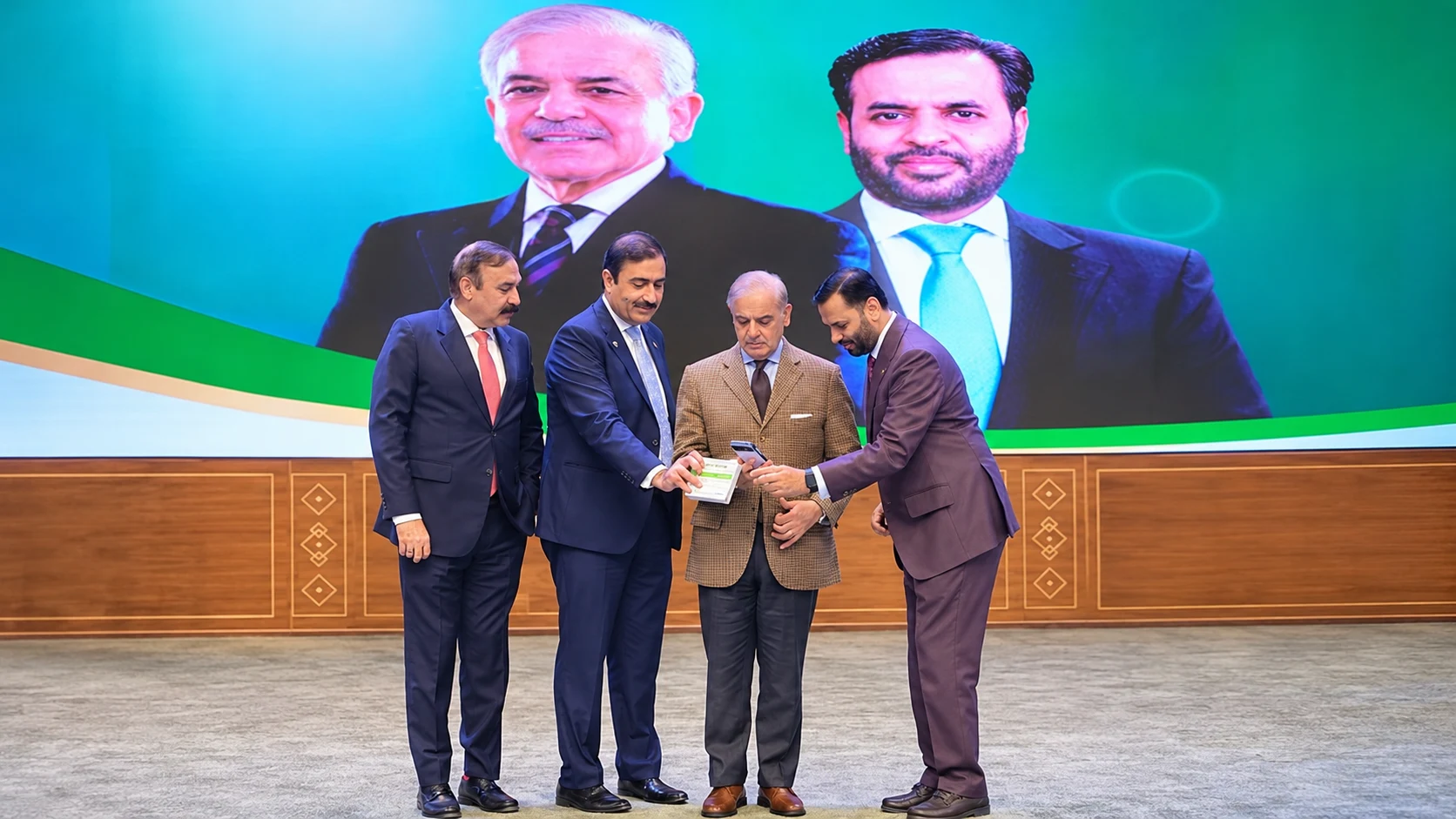
ISLAMABAD, Nov. 26 (Focus Pakistan) – More than a decade after Pakistan first proposed a barcode system to combat counterfeit medicines, Prime Minister Shehbaz Sharif on Thursday launched a mobile application that allows citizens to check whether the medicines they purchase are genuine.
The Mehfooz Dawa app draws on a database of nearly 92,000 medicines, compiled with the cooperation of more than 700 pharmaceutical companies operating in Pakistan.
Apart from checking the authenticity of medicines, consumers can register complaints about suspicious products and report shortages to the Drug Regulatory Authority of Pakistan (DRAP).
Federal Health Minister Mustafa Kamal and DRAP Chief Executive Officer Dr Obaidullah briefed the prime minister on the application during its launch ceremony in Islamabad.
Sharif welcomed the initiative but drew attention to another problem confronting millions of Pakistanis: the rising cost of medical treatment and medicines.
“But the real point is that, to make medicines affordable for the common man, their prices should be in line with what ordinary people can afford,” he said.
He urged the federal and provincial governments to work together to ensure that citizens have access to quality medicines at affordable prices.
How to Check Medicines Through Mehfooz Dawa
Explaining the application's features, Obaidullah said consumers could scan the batch number of a medicine and check it against records available with DRAP. A green screen indicates successful verification. A red screen alerts the consumer to a potentially counterfeit medicine, with an option to register a complaint through the same application.
Also Read: DRAP Orders Recall of Two Medicines After Punjab Labs Find Quality Failures
People who cannot find a particular medicine in the market can also report its shortage to the regulator. Obaidullah identified counterfeit medicines, shortages and compliance with quality standards as three major challenges the initiative seeks to address.
Kamal, meanwhile, acknowledged the lack of public confidence in the pharmaceutical market. He described the compilation of records for around 92,000 medicines as an uphill task and credited pharmaceutical companies for their cooperation.
The health minister said the government introduced the system to protect innocent lives.
PM Recalls Deadly 2012 Medicine Tragedy
During his address, Sharif recalled the deaths of more than 100 patients at the Punjab Institute of Cardiology in 2012, a tragedy that exposed serious shortcomings in pharmaceutical quality control.
International laboratory testing subsequently identified contamination involving an antimalarial drug in the medicine administered to cardiac patients.
Sharif said the country needed to learn from such incidents and prepare itself to prevent their recurrence.
He also instructed the health ministry to work with the IT and information ministries to familiarise citizens with the new application.
“The founding principle of our policies should be that health andeducation are equal for everyone and no one should have to go begging and pleading at anyone’s door,” he said.
An Eleven-Year Wait
The proposal to introduce barcodes on pharmaceutical products dates back to 2015. Although the federal cabinet approved the system in 2017, bureaucratic delays held up its implementation for years.
Kamal took notice of the delay earlier this year and called for the early introduction of the system.
DRAP had initially fixed October 1 as the deadline for launching the barcode mechanism. The regulator intended to use it to curb the circulation of counterfeit and expired medicines and discourage black marketing.
DRAP spokesperson Sajid Shah said earlier this month that the track-and-trace system had become operational on October 9.
Thursday's launch extends access to that system to ordinary consumers, who can now check medicine records and report suspected violations directly to the regulator.