
KARACHI, Nov. 9 (Focus Pakistan) — Saudi and Pakistani business heavyweights have set their sights on Pakistan’s airports, motorways and seaports. They plan a joint Saudi Pakistan investment fund that would direct 75% of its capital toward Pakistan.
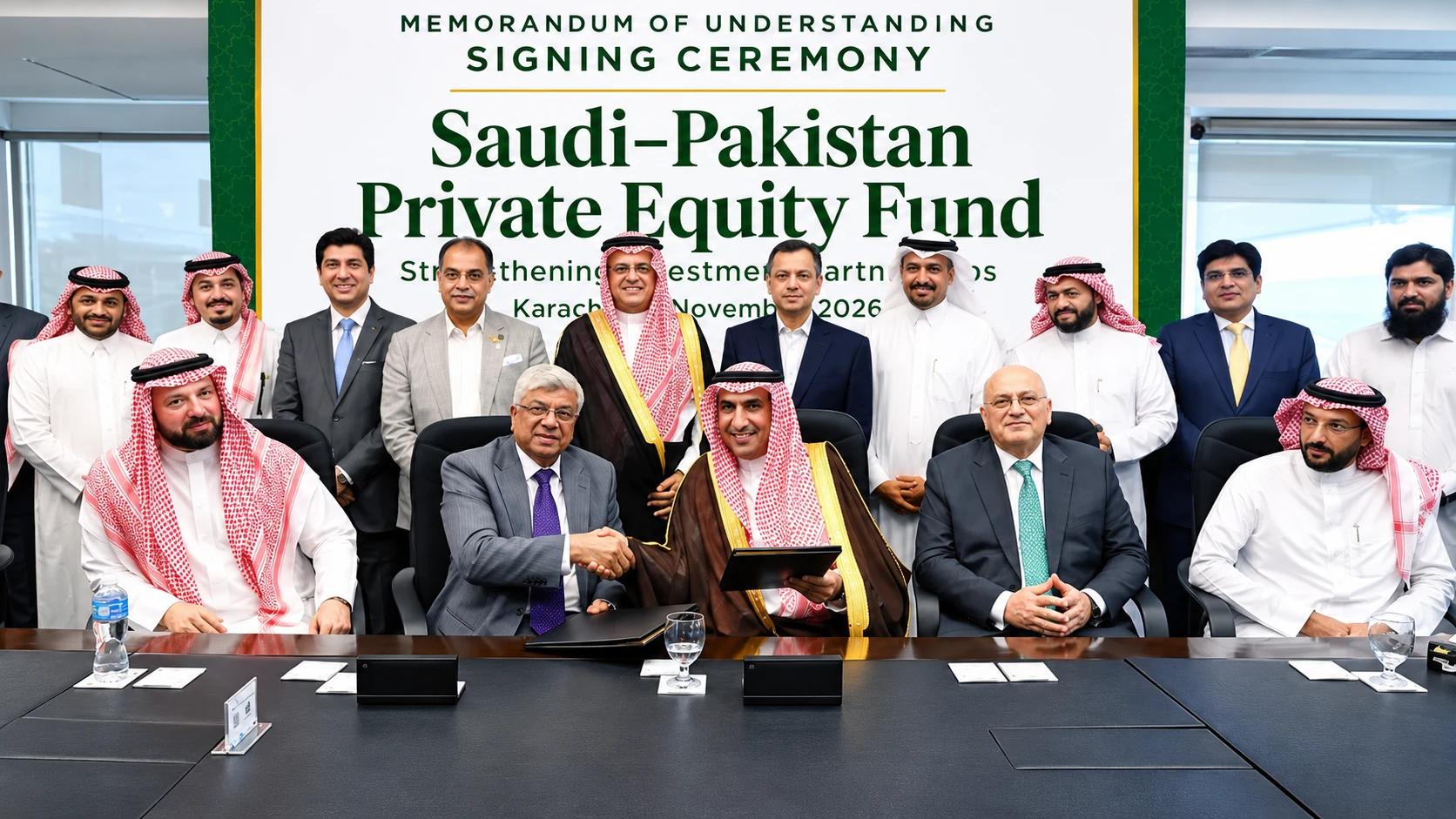
The Saudi-Pakistan Joint Business Council signed a memorandum of understanding on Monday to establish the private equity fund. The fund plans to allocate 75% of its investments to Pakistan and 25% to Saudi Arabia, while private investors from both countries contribute equally.
The council put the fund’s initial size at “multi-hundred million.” It gave no currency, no exact figure and no confirmed capital commitment.
That gap matters. Monday’s deal sets out a blueprint for an investment vehicle. The council has not disclosed any completed capital transfer or binding investment commitment.
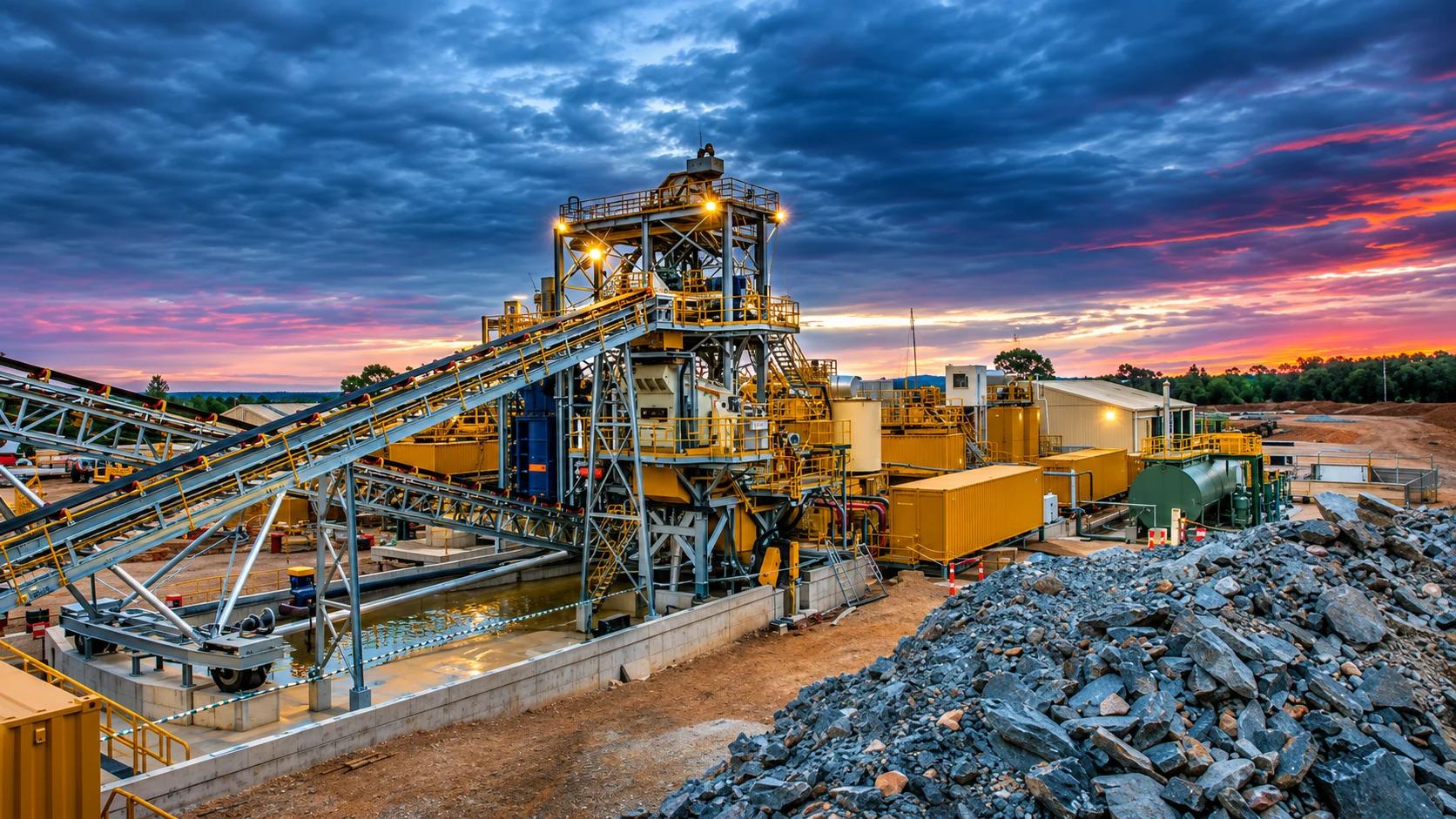
On paper, the fund will back fast-growing private firms in farming, mining and construction, among other sectors. The bigger prize lies in infrastructure.
According to the council, the fund will explore commercial projects arising from the government’s programme to monetise its land bank. The potential investment targets include airports, motorways, ports and maritime infrastructure.
That is a different game from ordinary corporate lending. Airports and ports demand substantial capital and tie up investors for years.
The council has yet to identify a specific airport, motorway or port for investment. It announced no acquisition, construction contract or financial close.
Equal Stakes, Unequal Spending
The structure carries an unusual twist. Saudi and Pakistani backers would put in the same amount of money, yet Pakistan would get three times Saudi Arabia’s share of the investments.
Also Read:Pakistan Offers Türkiye Same 1,000 Acres Again, Now With SEZ Status
Also Read:Pakistan Offers Türkiye Same 1,000 Acres Again, Now With SEZ Status
That design could bring fresh foreign capital into Pakistani businesses while keeping Saudi opportunities open, including projects in the kingdom’s holy cities. Institutions from both countries could also take equity in the fund management company.
Big questions still hang over the deal. Nobody has said what the fund’s final size will be, what fees it will charge, when it will invest or how it will pick projects.
Bankers and Industrialists Join Saudi Pakistan Investment Fund Talks
Prince Mansour bin Mohammad Al Saud, the council’s chairman, attended the signing with prominent Saudi investors. He called Pakistan “a natural partner for the Kingdom” and said Saudi investors now see a more stable economy with real opportunities.
Pakistan’s banking elite turned out in force. Zafar Masud, President and CEO of The Bank of Punjab, Nassir Saleem, President and CEO of HBL, and Yousaf Hussain, President and CEO of Faysal Bank, attended in person.
Fawad Mukhtar, the council’s co-chair and chairman of Fatima Group, joined by video. So did Lake City Group Chairman Gohar Ejaz, Bestway Group Chairman Lord Zameer Choudrey and UBL President and CEO Jawaid Iqbal.
Businessman Arif Habib called the fund “a vote of confidence” in Pakistan’s investment prospects. He said channelling capital into the government’s land bank could turn idle assets into productive investment.
Regulators Hold the Key
The signing follows months of Saudi-Pakistani talks on agriculture, infrastructure, energy, mining and private investment. In August, Pakistani officials pitched ports, highways, airport outsourcing and power distribution to Saudi investors.
The new fund could give those ambitions a way to get financed. First, though, it must meet regulatory requirements in both countries. Only after approvals will the two sides move ahead with structuring and first investments.
Neither side gave a date for regulatory approval. Neither named the first company or infrastructure project in line for funding.
Pakistan has gathered many investment proposals and memoranda from foreign partners in recent years. Turning those announcements into operational projects remains the decisive measure of success.
The real test now is how much capital investors will commit, when the fund will begin deploying it, and which Pakistani project will receive the first investment.