
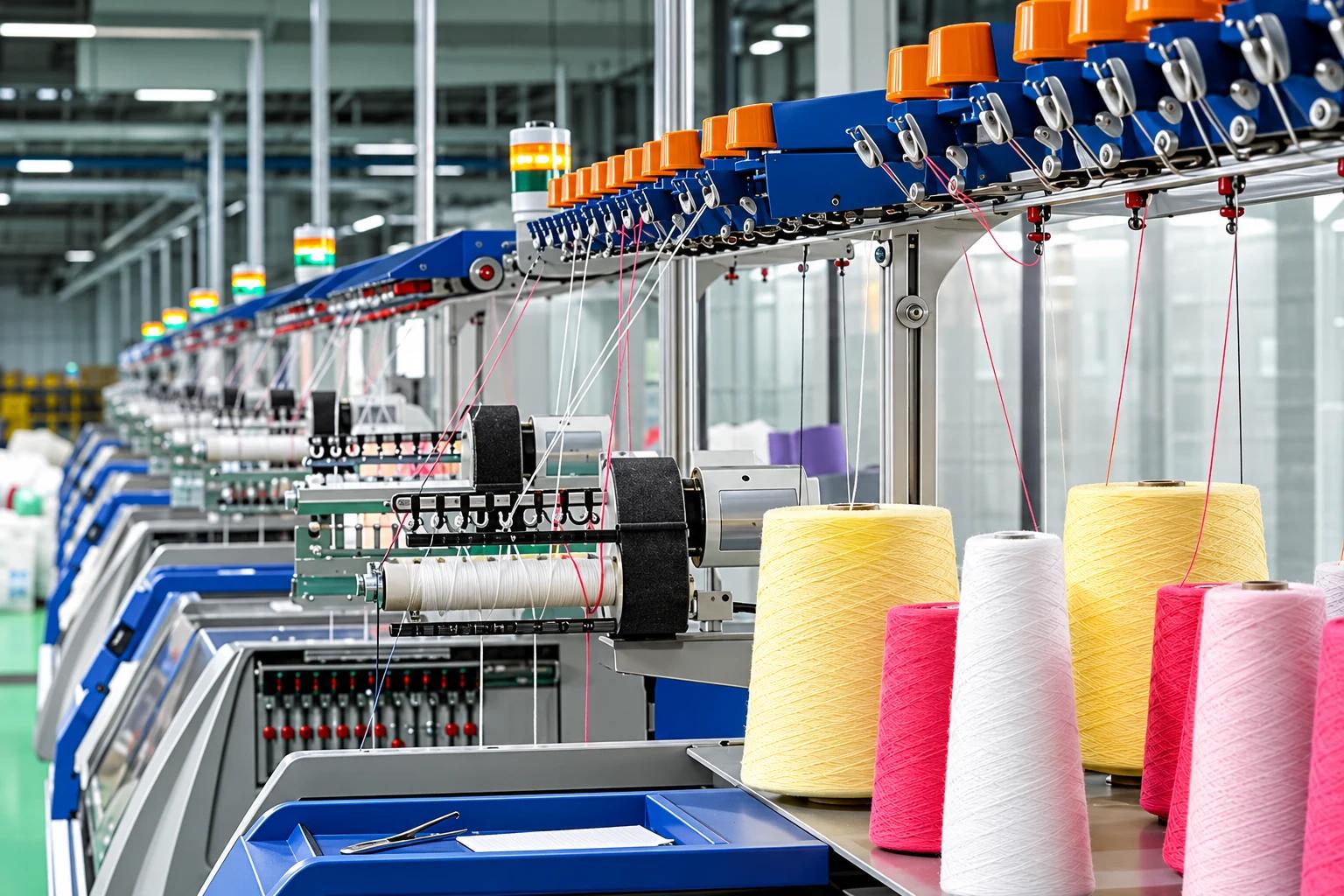
Hosiery exporters welcome dedicated financing under Pak EXIM’s scheme, but warn that slow bank approvals could undermine support for smaller businesses.
KARACHI, Nov. 14 (Focus Pakistan) — Hosiery and knitwear exporters have welcomed the government’s decision to reserve the entire Rs300 billion SME allocation under the Pak EXIM-administered Export Finance Scheme (E-EFS) for small and medium enterprises in FY2026-27, a boost to Pakistan SME export financing, Syed Zia Alamdar Hussain, chairman of the Pakistan Hosiery Manufacturers and Exporters Association (PHMA), said.
PHMA Chairman Syed Zia Alamdar Hussain said participating banks must process financing applications in a transparent, timely and hassle-free manner so that the funds reach genuine SME exporters, and they should explain the eligibility requirements clearly to businesses that want to apply. Deserving businesses, he said, need help from the banks to get onto the scheme.
PHMA Chairman Syed Zia Alamdar Hussain said participating banks must process financing applications in a transparent, timely and hassle-free manner so that the funds reach genuine SME exporters, and they should explain the eligibility requirements clearly to businesses that want to apply. Deserving businesses, he said, need help from the banks to get onto the scheme.
Reserving the whole Rs300 billion for eligible SMEs would give them a dedicated source of financing and make them more competitive, he said. Small and medium-size exporters, he said, have long found affordable working capital hard to secure.
Rs300bn Reserved for SME Exporters
Earlier this year the government earmarked the Rs300 billion for SME exporters, agri-SMEs and new borrowers together. Khurram Schehzad, adviser to the finance minister, said last week that the full amount, about $1.1 billion, would now go only to eligible SME exporters through Pak EXIM. SME exporters now have the pool to themselves.
Also Read: Eighteen-Year-Olds Can Now Borrow Rs2.5 Crore Under PM’s Loan Scheme
TheEconomic Coordination Committee approved the revamped scheme in July together with a new Rs350 billion Long-Term Export Growth Financing Facility and a performance-based rebate on incremental exports, which the government estimated would cost Rs15 billion a year. It also asked for a review of the schemes after six months.
Knitwear is the biggest single category in Pakistan’s textile exports. Shipments under Chapter 61, which covers knitted garments and hosiery, came to $4.979 billion in FY2025-26, down 0.7%, according to the Pakistan Textile Council’s annual export performance report.
Pakistan’s overall exports fell 5.9% to $30.14 billion in FY2025-26, while textile and apparel exports rose 0.3% to $18 billion, their highest level in four years, according to the same report.
Exporters of value-added goods can draw working capital under the scheme for up to 180 days. Pak EXIM took over its management from the State Bank of Pakistan this year. Banks disburse the funds to exporters.
With the overall envelope raised to Rs1.5 trillion from Rs1 trillion for FY2026-27, the SME reserve amounts to a fifth of the scheme. Large exporters draw on the remaining Rs1.2 trillion.
The government also cut export-related taxes and the super tax in the FY2026-27 budget, and Schehzad has presented those measures as a complement to the dedicated financing. The cuts took effect with the budget in July.
Banks Face Financing Test
Hussain credited Prime Minister Shehbaz Sharif, Finance Minister Muhammad Aurangzeb, the finance ministry and Pak EXIM for the decision. He called SMEs an important part of Pakistan’s industrial and export base, adding to employment, industrial diversification and entrepreneurship. He said the move reflected the government’s commitment to the SME sector.
His wishlist for the government includes lower business costs, wider access to finance and competitive energy tariffs. Energy costs remain a major complaint of textile exporters. He did not put figures on any of those demands.
PHMA would keep working with the government and other institutions to promote textile, hosiery and knitwear exports and strengthen Pakistan’s position in international markets, Hussain said. The association represents hosiery and knitwear manufacturers and exporters. Its members make socks, T-shirts and other knitted goods. PHMA is based in Karachi.