
Turkish seismic survey vessel heads to Karachi this month as four energy companies launch a fresh search beneath the Arabian Sea.
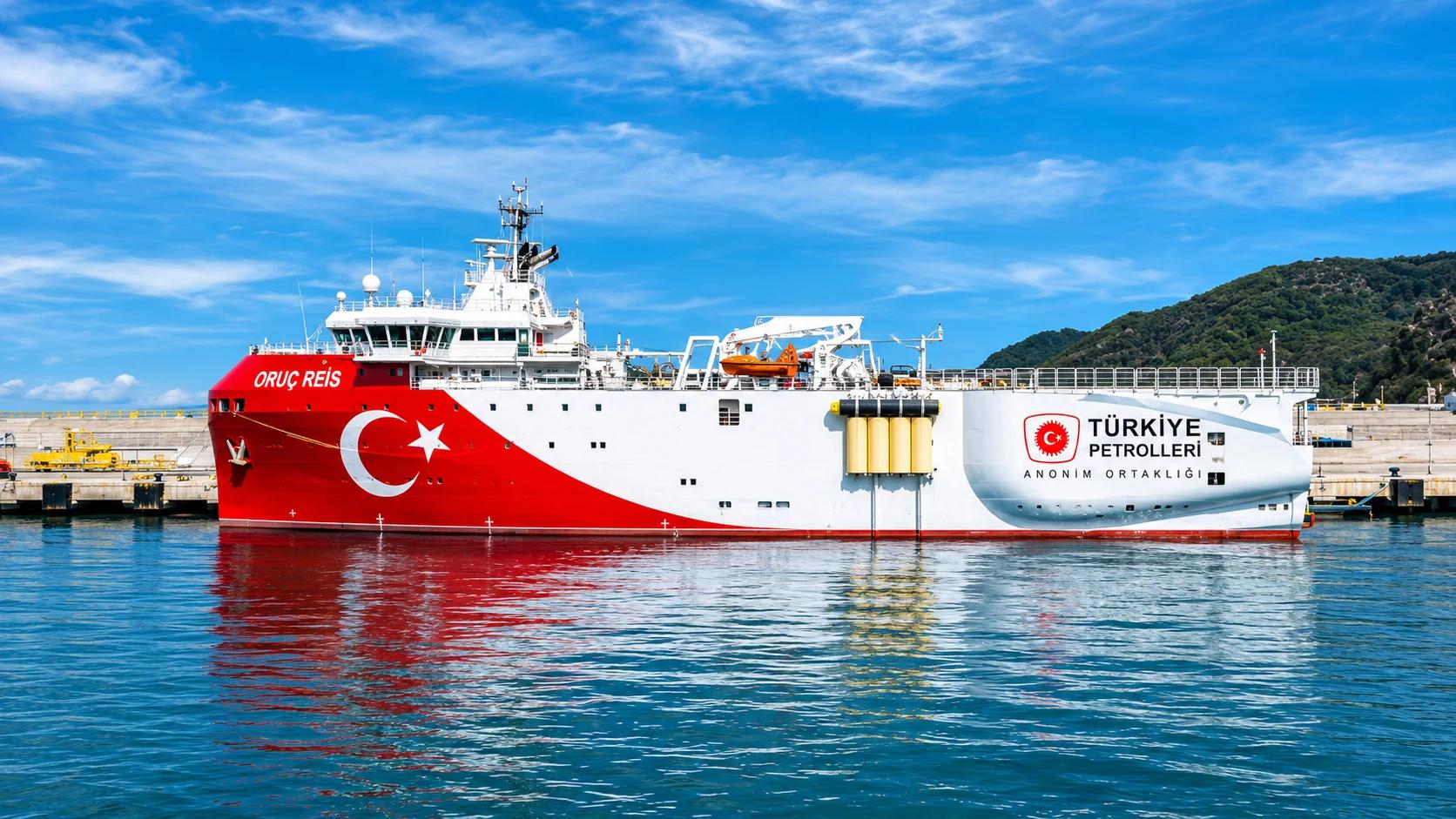
ISLAMABAD, Nov 7 (Focus Pakistan) - Pakistan offshore exploration enters a new phase as Oruç Reis, a Turkish seismic vessel with a contentious past, heads to Karachi to investigate potential oil and gas resources beneath the Arabian Sea. The Petroleum Division expects the ship between November 17 and 20.
Ankara has not kept the ship’s identity a secret. Bayraktar, Türkiye’s energy minister, confirmed the name himself, and said the ship was already sailing east toward Pakistan. Greece remembers the ship well. In 2020 Ankara pushed it into contested waters of the eastern Mediterranean, and Greek and Turkish warships ended up shadowing each other for weeks. This time it comes as an invited partner.
The ship will work in the Eastern Offshore Indus-C block. Running the operation is TPOC, TPAO’s foreign-operations wing, on a 25 percent stake. Pakistan Petroleum Limited (PPL) has the biggest chunk, 35 percent. OGDCL and Mari Energies split the remaining 40 percent evenly.
Mapping, not finding
Seismic crews borrow a trick from hospital ultrasound, minus the gel. Sound fired at the seabed travels down through the sediment, hits buried rock and bounces back to a line of sensors trailing behind the ship. From those echoes, geologists build a map that shows which folds of rock might trap gas, and which spot, if any, is worth drilling. It will not prove that commercially recoverable reserves exist. Only drilling, followed by technical and commercial assessments, can answer that question.
PPL has put the block’s gas potential at 1.5 trillion to 2 trillion cubic feet. That figure is an estimate of what the geology might hold, not a reserve, and no well has tested it. PPL already holds 2D and 3D seismic data from its earlier surveys of the area.
Ali Pervaiz Malik wants this to go smoothly. On Friday the petroleum minister chaired a meeting on the vessel’s arrival. Sea permits, berthing at the port, security, logistics: he wanted every item ticked off before the ship arrives.
Malik sounded pleased. He called the project a “historic milestone” for Pakistan-Türkiye energy ties, then added a personal note. “I will try to personally receive the vessel upon its arrival in Karachi,” he said.
The attendance shows how big an operation this is. The petroleum secretary attended, along with the director general of petroleum concessions and the heads of OGDCL, PPL and Government Holdings. The foreign, defence, interior and maritime affairs ministries sent officials. So did the Board of Investment, the National Hydrographic Office and the ports and shipping directorate in Karachi. TPOC’s project manager thanked Pakistani officials for their help and said he hoped the campaign would succeed.
A record of dry wells
The sea off Sindh has disappointed Pakistan before. The country has never found a commercially viable offshore deposit. ExxonMobil and Eni drilled Kekra-1 in 2019 after weeks of public optimism. The well failed. ExxonMobil later pulled out of Pakistan.
So when officials talk about reviving offshore exploration “after nearly two decades,” they mean the gap between bid rounds. The previous round dates back to 2007. The 2025 round ended that drought. The government awarded 23 of 40 blocks, about 53,510 square kilometres, to four consortiums led by OGDCL, PPL, Mari Energies and Prime Energy. Across all the awarded blocks, the consortiums committed about $80 million to initial exploration. The Petroleum Division estimates that investment could eventually reach $750 million to $1 billion if the programme moves on to drilling.
TPOC’s interest extends onshore as well. The company holds 25 percent of the Sukhpur-II block and 10 percent of Ziarat North.
Roughly half the oil Pakistan burns comes from abroad, and imported LNG covers a big part of the gas shortfall. A commercial find offshore would reduce that import bill and attract the foreign investors who left after Kekra-1.
Reaching Karachi is the easy part. The seismic data has to convince somebody to fund a well. Then that well has to hit oil or gas in quantities worth producing. Kekra-1 got through the first stage in 2019 and failed at the second.